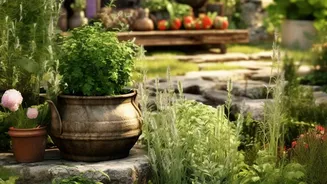







Understanding Your Indoor Garden's Needs
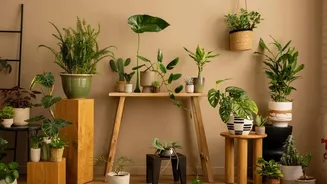
Before you start planting, it’s crucial to understand what “humidity and gentle light” actually mean for your herbs. Gentle light doesn’t mean a dark corner; it refers to bright, indirect sunlight. A spot near a north-facing window or a countertop that
gets a few hours of soft morning sun is ideal. These conditions prevent the delicate leaves of some herbs from scorching, which can happen with intense afternoon sun. Humidity, meanwhile, refers to moisture in the air and in the soil. Many herbs that thrive indoors appreciate consistently moist soil—not waterlogged, but never completely dry. You can maintain this by watering when the top inch of soil feels dry and by misting the leaves with water every couple of days. This simple routine mimics the damp, temperate conditions where these plants naturally flourish.
Mint (Pudina): The Resilient Refresher
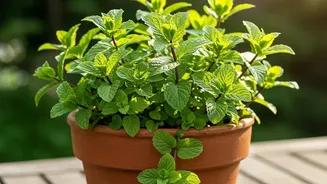
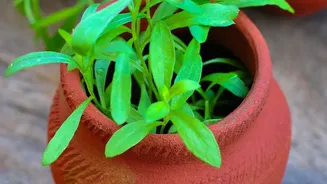
Mint is one of the most forgiving and rewarding herbs to grow indoors, making it perfect for beginners. Known as Pudina in India, it’s essential for everything from refreshing chutneys to summer drinks. Mint is famously resilient and actually prefers partial shade over direct, scorching sun. It loves moisture and will reward you with lush, aromatic leaves if you keep its soil consistently damp. Plant it in a pot with good drainage to prevent the roots from sitting in water. Since mint is a vigorous grower, keeping it in a container also smartly contains its tendency to spread. Trim the tips regularly to encourage a bushier plant and ensure you have a constant supply for your culinary needs. It is one of the easiest herbs to propagate; simply place a cutting in a glass of water and watch new roots form within a week.
Coriander (Dhania): The Essential Garnish
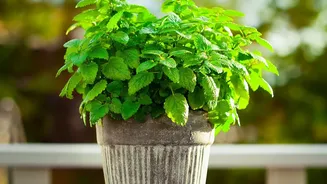
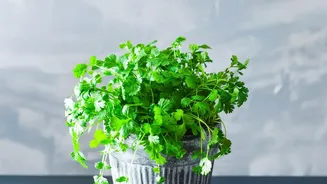
No Indian kitchen is complete without coriander, or Dhania. While it can be tricky to grow, its needs align perfectly with a humid, gently lit environment. Coriander plants are prone to bolting (flowering prematurely) in intense heat and direct sun. They prefer cooler temperatures and partial sunlight. The key to a successful coriander patch is maintaining soil moisture. The plant dries out very quickly, so it’s important to keep the soil damp but not soggy. You can grow coriander from whole seeds bought at the grocery store; just lightly crush them to split them into two before planting. Sow seeds every few weeks to ensure a continuous harvest, as the plant has a relatively short lifecycle. Growing it indoors protects it from harsh weather and allows you to harvest fresh leaves just as you need them.
Parsley: The Nutrient-Packed Powerhouse
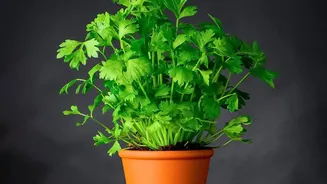
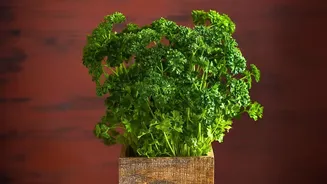
While often seen as a simple garnish, parsley is a nutrient-dense herb that adds a clean, peppery flavour to dishes. It is an excellent candidate for low-light indoor gardening, as it thrives with just a few hours of gentle morning sun. Like mint, parsley prefers its soil to be consistently moist. Both flat-leaf and curly-leaf varieties grow well in pots on a kitchen counter or windowsill. One of the best things about growing parsley is how easy it is to harvest. You can snip the outer stems as needed, and the plant will continue to generate new growth from its centre, providing a steady supply for soups, salads, and marinades. Its hardy nature makes it a reliable and low-maintenance addition to your indoor garden.
Chives: The Subtle and Hardy Allium
If you enjoy a delicate onion or garlic flavour in your food, chives are an excellent choice for your indoor herb collection. These plants are incredibly low-maintenance and are perfectly happy in low-light conditions. Their slender, grass-like leaves grow well in small pots, making them ideal for kitchens with limited space. Chives don't require much fuss; they need evenly moist soil and a spot with indirect light. Their mild flavour is perfect for seasoning eggs, dals, and salads without overpowering the dish. Harvesting is as simple as snipping the leaves with scissors, which also encourages the plant to grow back thicker and more robustly. Their pretty, purple edible flowers are an added bonus if the plant gets enough energy.