


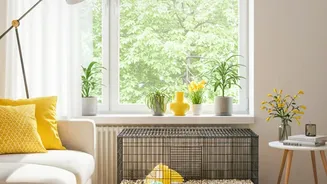

Our pets bring immense joy into our homes, but their accessories often bring chaos. For those in compact urban apartments, the clutter of food bags, toys, and bowls is a constant battle. Now, a design-forward solution is gaining traction.
The Joy and Clutter of Pet Parenthood
Loving a pet
means embracing a certain amount of delightful chaos. But in urban India, where apartment sizes are shrinking, that chaos can quickly overwhelm a carefully curated living space. The half-empty bag of kibble in the kitchen corner, the collection of squeaky toys by the sofa, and the water bowl that always seems to be in the way are familiar sights for many. While these are small signs of a happy life with a furry companion, they create visual clutter that clashes with the clean, minimalist aesthetic that many homeowners aspire to. This isn't just about tidiness; it’s about reclaiming your living area and creating a harmonious environment for both you and your pet. The challenge is finding storage that is both functional for the pet and stylish for the human.
The Rise of Integrated Pet Furniture
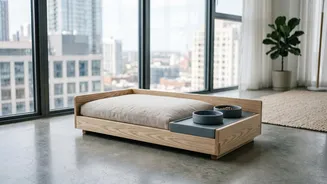
Enter the era of integrated pet solutions. As pet ownership evolves, with animals increasingly seen as integral family members, our homes are adapting. The trend is moving away from standalone, often clunky pet accessories toward built-in solutions that are part of the home's primary design. Custom cabinetry is at the forefront of this movement. It’s a concept born from a simple desire: to give pet supplies a designated, hidden home that blends seamlessly with the interior decor. This isn't just about hiding a mess; it's a thoughtful approach to design that respects the needs of every inhabitant, creating a space that is both beautiful and highly functional. From Jodhpur to Mumbai, artisans and interior designers are responding to this demand with creative, custom-built options.
Smarter Kitchens and Mudrooms
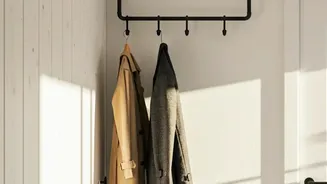
The kitchen, often the heart of the home, is the most popular place for these custom solutions. Imagine a pull-out drawer in your lower cabinetry that reveals two perfectly fitted bowls for food and water, which can be pushed back out of sight after meal times. Another common customisation is a deep, narrow drawer designed specifically to hold a large bag of pet food, complete with a scoop. This keeps food fresh and away from pests while eliminating unsightly packaging. In homes with a mudroom or a utility area, designers are building 'pet stations'—all-in-one units that might include a low cabinet for a bed, hooks for leashes and harnesses, and drawers for grooming tools and toys. These solutions keep everything organized and accessible, but completely invisible when not in use.
Clever Ideas for Every Room
The trend extends beyond the kitchen. In the living room, a stylish media unit or sideboard can be designed with a discreet, open-fronted cubby at the bottom to serve as a cosy den for a small dog or cat. Some homeowners are even transforming the unused space under a staircase into a built-in pet nook. In bedrooms, a nightstand can be customised with an opening at the base for a pet bed, allowing your companion to sleep close by without their bed cluttering the floor. For cats, designers are incorporating verticality, with wall-mounted shelves and hidden litter boxes inside bathroom or laundry room cupboards, ensuring ventilation is properly addressed. These custom pieces prove that pet-friendly design can be both elegant and discreet.
Is It a Worthwhile Investment?
Opting for custom cabinetry is undoubtedly an investment. It costs more than buying a few plastic bins or a standalone feeding station from a pet store. However, the benefits often justify the expense for those who prioritise design and efficiency. Custom solutions are tailored to your specific pet, your space, and your aesthetic, ensuring no centimetre is wasted. This is particularly valuable in smaller urban homes where floor space is at a premium. Furthermore, high-quality, builtin furniture can add to your home's resale value, as it presents a thoughtful, organised living solution. While DIY options and clever furniture repurposing exist, the durability and seamless integration of professional custom work offer a level of sophistication and permanence that offtheshelf products cannot match.