
Monsoon Magic, Not Misery
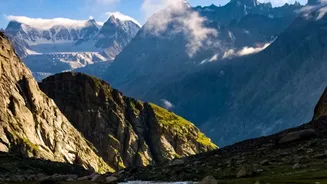
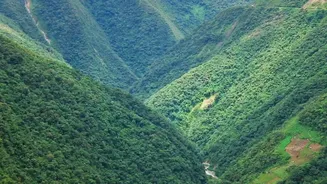
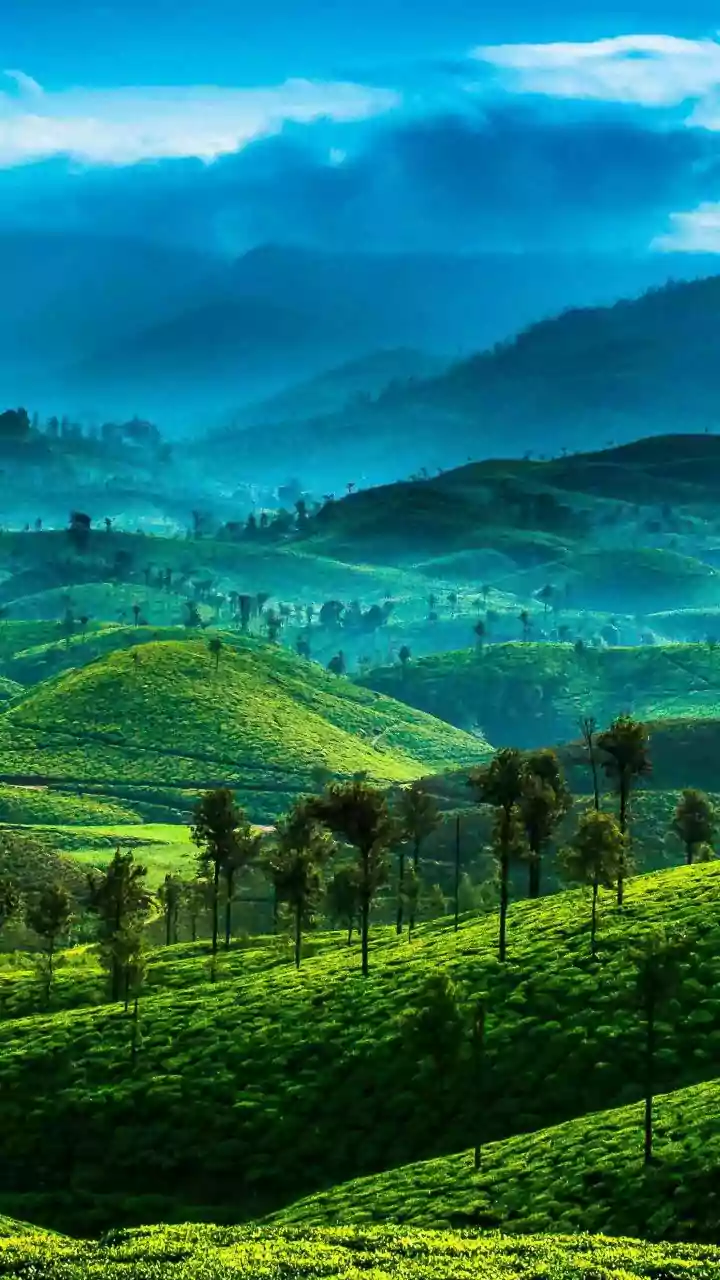
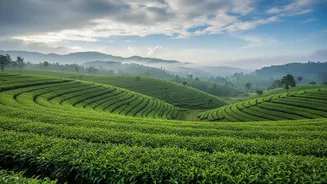
While trekking in monsoon might sound counterintuitive, for certain valleys in Uttarakhand, it's the season of peak beauty. The rains breathe life into the landscape, transforming the meadows into lush, emerald carpets. Waterfalls, fed by the showers,
thunder down cliffs in their most spectacular form. This is a time when the mountains are at their most vibrant, and trails like the one to Valley of Flowers are specifically meant to be experienced during these months. The air is exceptionally clean, and the usual tourist crowds of summer and autumn are thinner, offering a more serene experience.
A Symphony of Alpine Blooms
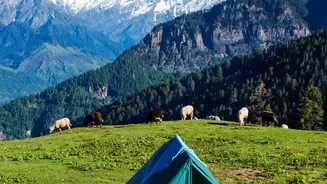
Mid-August is the absolute best time to witness one of nature’s most stunning spectacles: the full bloom of the Valley of Flowers. This UNESCO World Heritage Site becomes a real-life paradise, with over 500 species of alpine flowers creating a breathtaking tapestry of colour. You can walk through meadows painted with the famous Blue Poppy, the sacred Brahma Kamal, primulas, and countless other blossoms. The monsoon rains trigger this incredible explosion of life, a phenomenon you simply cannot witness at any other time of the year. The window from mid-July to mid-August is considered the prime time for this floral extravaganza.
The Perfect Spiritual Side-Trip
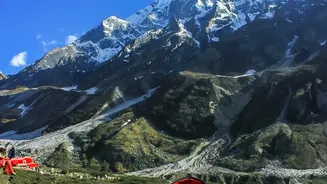
Many treks in this region use Ghangaria as a base camp, which serves two iconic destinations: the Valley of Flowers and Hemkund Sahib. The trek to Hemkund Sahib, the world's highest Gurudwara, is a challenging but deeply rewarding spiritual journey. Situated beside a glacial lake at an altitude of over 14,000 feet, the site offers profound peace and stunning panoramic views. Making this pilgrimage during the long weekend adds a layer of deep personal fulfilment to the adventure. Due to the monsoon season, you might also find fewer pilgrims at the nearby Badrinath temple, allowing for a more peaceful visit.
A Patriotic Celebration with a Difference
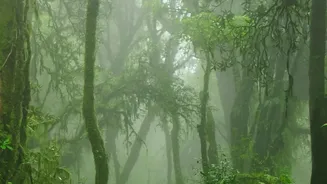
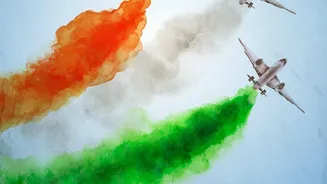
There is something uniquely moving about celebrating Independence Day in the Himalayas. Many trekking groups and local communities in villages like Ghangaria organise small flag-hoisting ceremonies. Unfurling the tricolour against a backdrop of majestic, mist-covered peaks is an unforgettable experience that fills you with a quiet, profound sense of patriotism. It’s a far cry from the noisy city celebrations, offering a moment of genuine connection to the nation in its most serene and powerful landscapes.
Be Prepared for the Trail
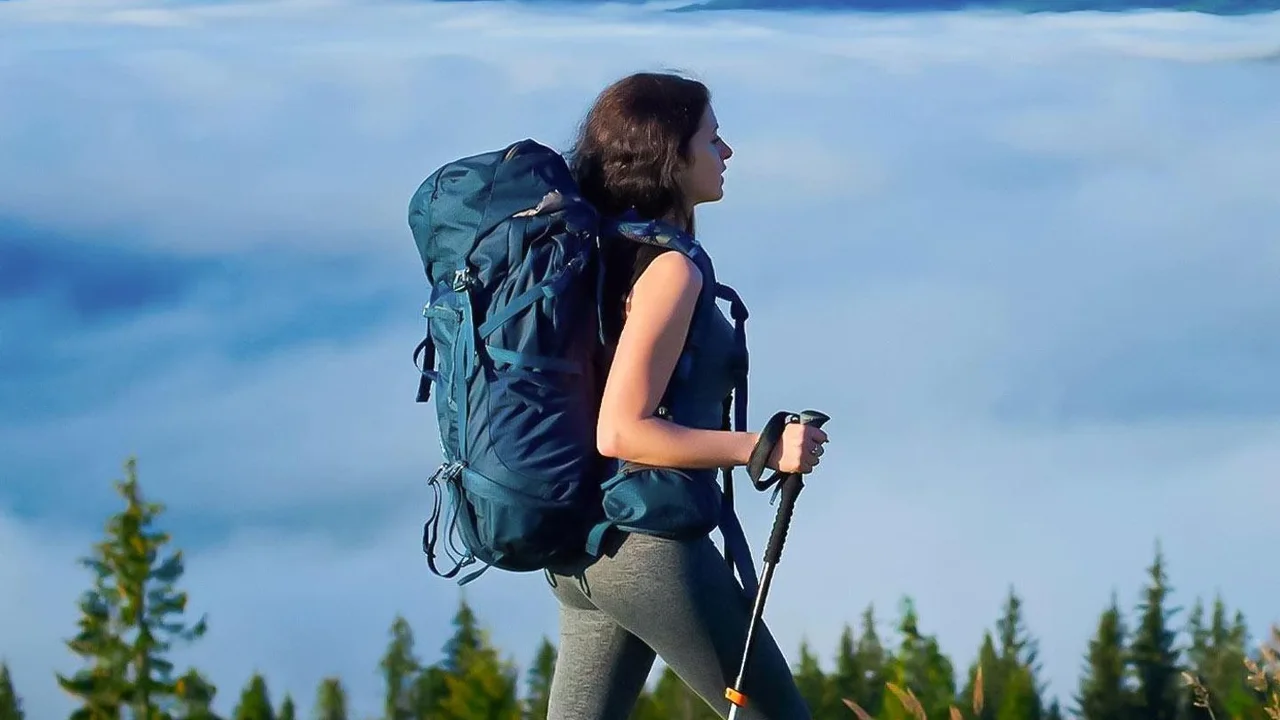
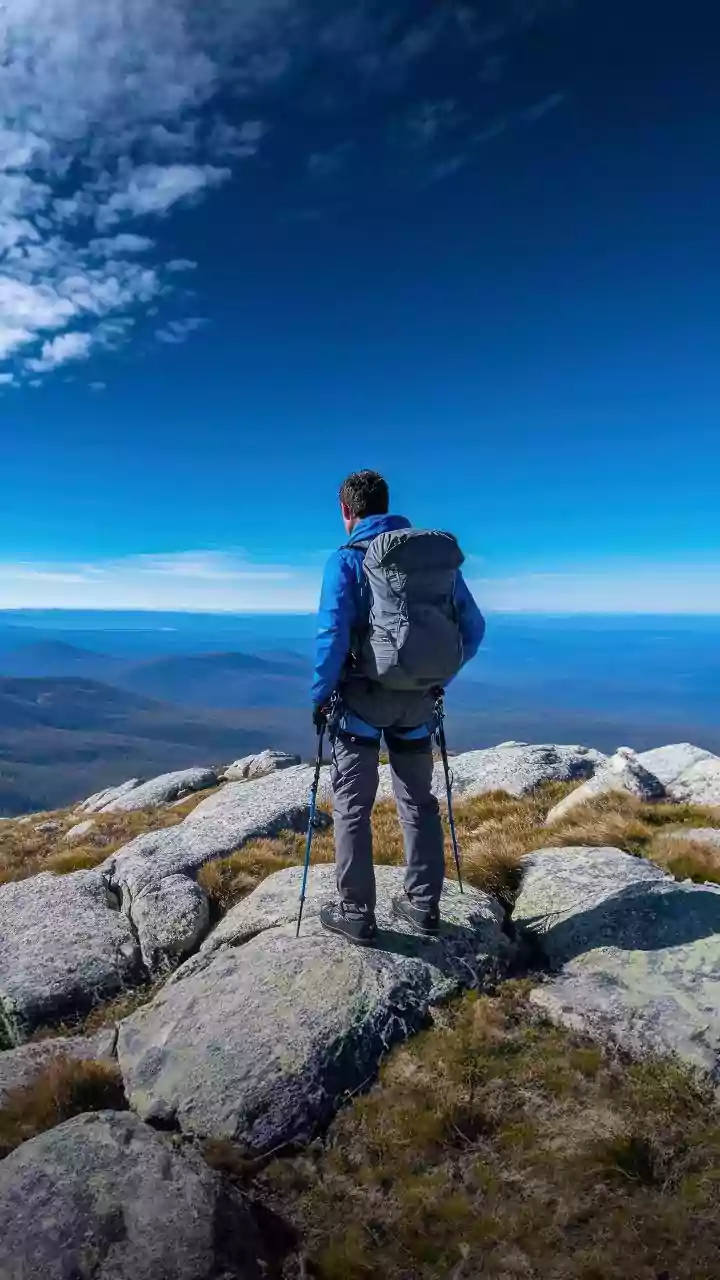
Monsoon trekking requires respect for the mountains and proper preparation. While the experience is magical, the trails can be slippery and challenging due to the rain. It is essential to have proper trekking shoes with excellent grip, fully waterproof outer layers, and trekking poles for stability. Leeches can be common, so carrying salt or wearing leech socks is advisable. Always trek with a certified guide or a reputable company, as they understand the local conditions and can navigate potential hazards like landslides or swollen streams safely. Since the weather can change quickly, starting your daily treks early is a wise strategy.