




Saffron, the prized 'red gold' of spices, is a luxury in any kitchen. But are you getting the most out of every precious thread? The secret to unlocking its vibrant colour and deep aroma lies in a simple, transformative step.
The Science Locked in Each Thread
To understand why soaking
is essential, you first need to know what’s inside a saffron thread. The magic comes from three key compounds: crocin, which provides the brilliant golden colour; picrocrocin, which delivers the unique, slightly bitter taste; and safranal, responsible for its distinct floral and hay-like aroma. When saffron threads are dry, these compounds are locked within the plant's cellular walls. Simply tossing dry threads into a dish is the most common mistake home cooks make, as it releases only a fraction of saffron's potential. Proper blooming—or soaking—is a non-negotiable step to extract and distribute this trio of flavour, colour, and scent evenly throughout your dish.
Why Warm Liquid is the Key
The most effective way to draw out saffron's essence is to steep it in a warm liquid. The warmth helps rehydrate the delicate threads and efficiently dissolves the colour and flavour compounds. However, the temperature is crucial. Using boiling liquid is a frequent error that can damage the delicate safranal, dulling the aroma you paid for. The ideal temperature is warm to the touch, similar to a hot tea you can comfortably sip. This gentle heat is enough to coax out the crocin for a stunning colour without destroying the complex fragrance. For most dishes, soaking for at least 15-20 minutes is recommended to achieve a rich infusion.
The Perfect Soaking Technique, Step-by-Step
Unlocking saffron's full potential is simple when you follow a few basic steps. First, it’s best to gently crush the threads. You can do this with your fingers or a mortar and pestle. Grinding the threads breaks down their cellular walls and increases the surface area exposed to the liquid, ensuring a more efficient extraction. Next, place the crushed saffron in a small bowl and pour over a few tablespoons of your chosen warm liquid—just enough to cover the threads. Using too much liquid will only dilute the infusion. Cover the bowl and let it steep for 15 to 30 minutes. You’ll know it’s ready when the liquid has turned a deep, luminous golden-red. Finally, add the entire infusion—liquid and threads—to your recipe to get the maximum effect.
Milk vs. Water: Choosing Your Blooming Liquid
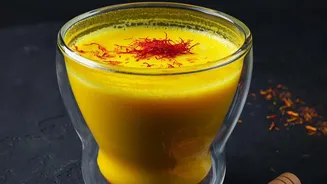
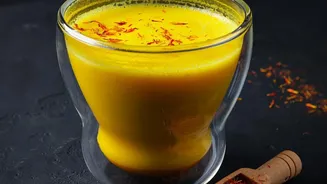
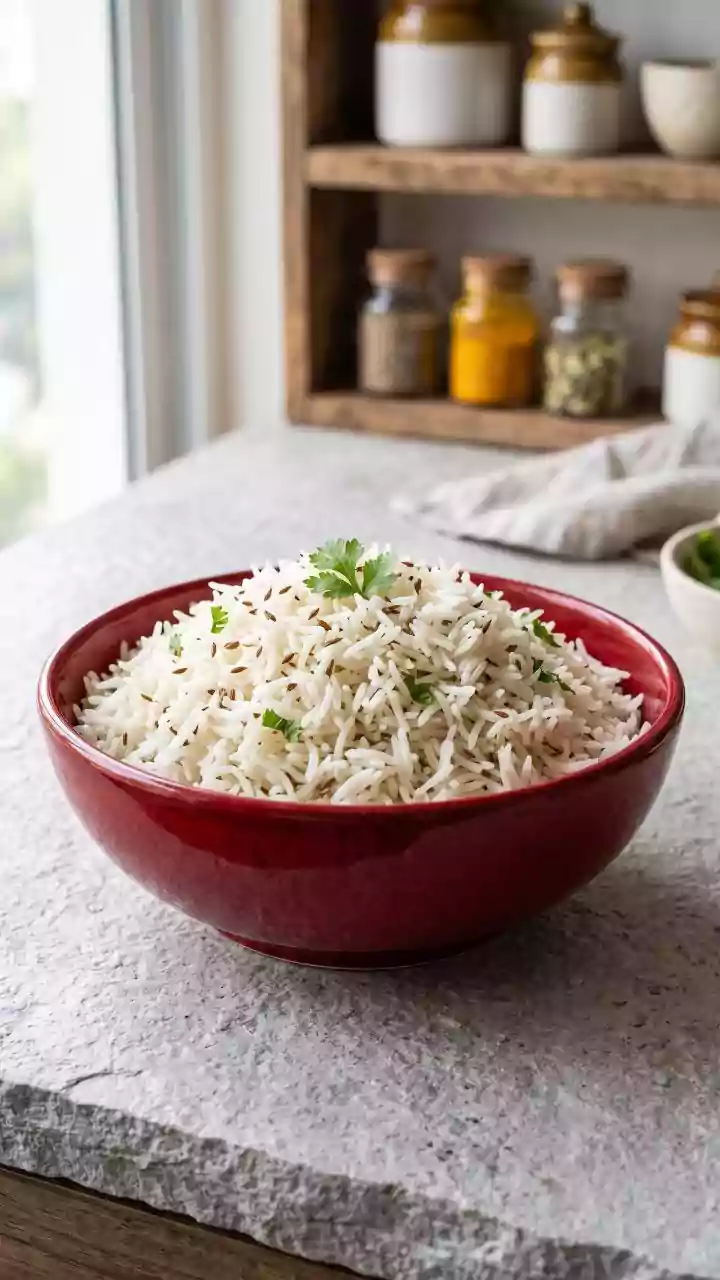
While warm water is the most versatile option for blooming saffron, warm milk is particularly brilliant for certain dishes. Milk, with its fat content, can carry aromas intensely and helps create a rich, creamy consistency, making it the perfect choice for desserts like kheer, phirni, custards, and ice cream. It’s also traditionally used for comforting saffron milk drinks, known as 'kesar doodh'. Warm water, on the other hand, is a universal choice that won’t alter the flavour profile of your dish. It is the ideal liquid for savoury recipes like biryani, pulao, paella, risottos, and soups. Ultimately, the choice depends on your recipe. If dairy is a core component, use milk. If not, stick with water or even a warm broth for savoury dishes.
Get More from Every Strand
The core promise of this technique is economy without sacrifice. Because proper soaking extracts a much higher concentration of colour and flavour, you can achieve your desired result with fewer saffron threads. Many people are tempted to use just a few strands because of the high cost, but then feel disappointed with the weak result. By blooming the saffron first, you ensure every strand is working at its full potential. A small pinch, correctly prepared, goes a very long way, delivering that signature golden hue and luxurious taste without needing to add extra threads. This not only improves your cooking but also makes your investment in high-quality saffron last longer.