






What is Liquid Seaweed?
Think of liquid seaweed not as a typical NPK fertiliser, but as a superfood tonic or a biostimulant for your plants. It's a natural, organic product made by cold-pressing or fermenting seaweed, most commonly kelp. This process extracts a dense concentration
of over 60 trace minerals, vitamins, amino acids, and, most importantly, natural plant growth hormones like cytokinins and auxins. Unlike chemical fertilisers that force-feed the plant, liquid seaweed works by improving the plant's overall health and strengthening its own natural defence systems from the inside out. It enhances root growth, improves nutrient uptake from the soil, and makes the plant more resilient to environmental stress.
Why It's a Humid Weather Hero
High humidity, a hallmark of the Indian monsoon and coastal climates, creates a perfect storm of problems for plants. It encourages fungal diseases like powdery mildew and black spot, slows down transpiration (the plant's ability to 'breathe'), and can exacerbate heat stress. This is where liquid seaweed shines. The natural growth hormones in the extract, particularly cytokinins, promote strong cell division, leading to thicker cell walls. This physical barrier makes it harder for fungal spores to penetrate the leaves. Furthermore, the rich blend of micronutrients helps plants continue essential metabolic processes even when stressed. It doesn't act as a direct fungicide, but rather arms the plant to better fight off infections on its own. It’s like giving your plant a strong immune system to get through the tough season.
Choosing Your Seaweed Solution
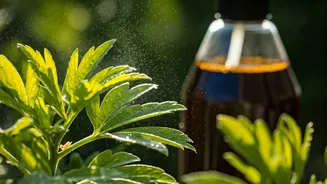
When you browse online or at your local nursery, you'll find a few options. Look for products labelled 'cold-pressed' as this method preserves the delicate plant hormones more effectively than heat-based extraction. The colour of the liquid should be a dark brown or almost black, not light brown or watery, which can indicate a lower concentration. Check the label for the source, with Ascophyllum nodosum (a type of kelp) being one of the most common and effective varieties used. Don’t get too caught up in brand names; focus on the concentration and the extraction method. A small bottle goes a long way, as it's a highly concentrated product that needs to be diluted significantly.
How to Use It Correctly
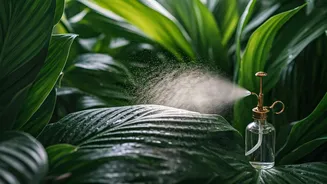
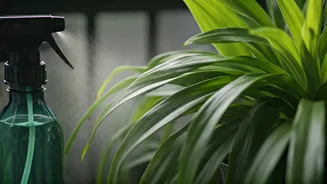
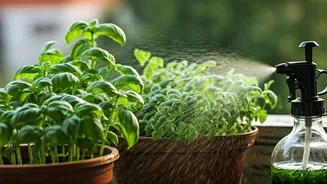
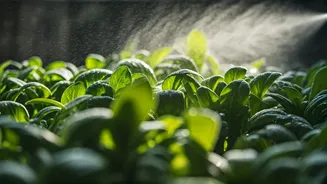
Using liquid seaweed is simple, but a little precision helps. There are two main ways to apply it: 1. **Foliar Spray:** This is the most effective method for boosting disease resistance. Dilute the seaweed concentrate in water according to the instructions on the bottle (a common ratio is 2-5 ml per litre of water). Pour it into a spray bottle and mist the leaves of your plants thoroughly, ensuring you cover the undersides where pests and fungi often hide. Do this in the early morning or late evening to avoid leaf burn and allow for maximum absorption. 2. **Soil Drench:** To improve root health and soil quality, you can use the same diluted solution to water your plants. This delivers the nutrients directly to the root zone, encouraging a robust root system that is better at finding water and nutrients. This is especially useful for newly potted plants or those that seem weak overall. For humid weather protection, a foliar spray every 10-15 days is an excellent preventative routine.
Plants That Benefit Most
While nearly all plants benefit from liquid seaweed, some show a particularly dramatic improvement, especially in humid conditions. Roses, which are notoriously prone to black spot, become far more resilient. Vegetables like tomatoes and chillies benefit from the boost in flowering and fruiting. Lush foliage plants like money plants, calatheas, and ferns will show deeper green leaves and more vigorous growth. Even succulents, which can struggle with rot in high humidity, benefit from the improved root health and stress resistance a light, infrequent application provides. It's a versatile, all-purpose tonic for the entire balcony garden.