








The Full Stomach, Empty Nutrients Paradox
Data from the 2022-23 and 2023-24 Household Consumption Expenditure Surveys (HCES) shows that, on average, Indians are consuming a sufficient number of calories. Average daily per capita calorie intake stood at around 2,212 kcal in rural areas and 2,240
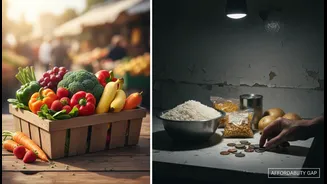
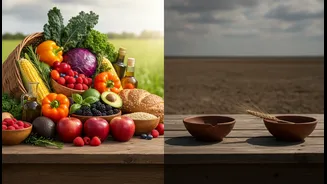
kcal in urban areas for 2023-24. Simultaneously, household spending on food has increased, with the rural-urban spending gap narrowing. Yet, beneath this surface-level stability lies a critical issue. The share of household expenditure on cereals like rice and wheat has significantly dropped, while spending on processed foods, beverages, and oils has risen. This shift means that while plates are full, they are increasingly filled with calorie-dense but nutrient-poor items, creating a dangerous gap between energy intake and essential nutritional quality.
What's Missing from the Indian Thali?
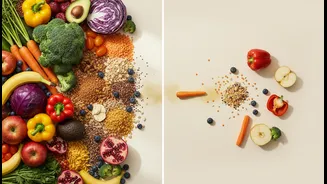
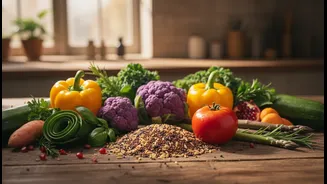
The heart of the problem is the under-consumption of nutrient-rich foods. Despite rising incomes, the average Indian diet remains deficient in vital food groups. Consumption of pulses, green leafy vegetables, fruits, and nuts remains well below recommended levels across almost all income groups. Even the wealthiest 5% of the population fails to consume the recommended amount of protein. This results in widespread deficiencies in micronutrients—the essential vitamins and minerals our bodies need to function properly. Studies indicate that a vast majority of the Indian population is at risk for deficiencies in calcium, vitamin A, B12, and folate. Iron deficiency remains a major cause of anaemia, affecting over half of women and children. This phenomenon is often termed 'hidden hunger,' where a person can be overweight or consume enough calories but still suffer from severe malnutrition.
The Rising Tide of 'Hidden Hunger'
Hidden hunger is a silent public health crisis. It doesn't always manifest as visible starvation, but its consequences are severe. Micronutrient deficiencies can lead to a range of health issues, including impaired brain development in children, weakened immune systems, increased susceptibility to infections, and a higher risk of chronic diseases. For instance, Vitamin D deficiency, which affects an estimated 76% of Indians, directly impacts calcium absorption, crucial for bone health. Similarly, low levels of Vitamin B12 and folate can lead to anaemia and neurological issues. This nutritional deficit not only compromises individual health but also carries a significant economic cost for the nation, impacting productivity and increasing healthcare burdens.
Why Our Food Habits Are Changing
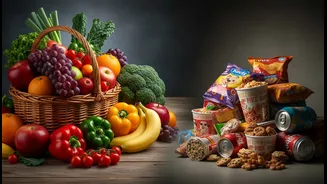
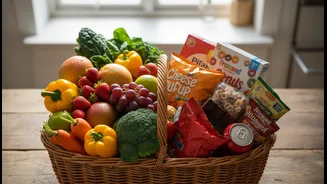
Several socio-economic factors are driving this dietary transition. Urbanization, rising incomes, and greater exposure to modern lifestyles have shifted consumer preferences. There's a growing reliance on convenience foods, such as packaged snacks, instant noodles, and sugary drinks, which are often high in refined carbohydrates, unhealthy fats, and sodium but low in essential nutrients. The share of monthly spending on beverages and processed foods now accounts for a significant portion of the food budget in both rural and urban homes. While consumption of animal products, fruits, and vegetables is slowly increasing, it is not keeping pace with the surge in processed food consumption, leading to an overall decline in diet quality.
Moving from Food Security to Nutrition Security
For decades, India's public policy has rightly focused on ensuring food security—making sure every citizen has access to a sufficient quantity of food, primarily through the distribution of staple grains like rice and wheat. The new data confirms it is time for a strategic pivot. The challenge is no longer just about filling stomachs; it's about nourishing bodies. This requires a shift in focus from food security to nutrition security. Policy interventions must now aim to improve dietary diversity. This could include diversifying the Public Distribution System (PDS) to include millets and pulses, promoting bio-fortified crops, and launching widespread public awareness campaigns on the importance of a balanced diet. Without a concerted effort to improve the quality of food on the Indian plate, the nation risks facing a double burden of disease: the persistence of undernutrition-related issues alongside a surge in lifestyle diseases like obesity and diabetes.