
In the booming world of wellness, probiotic supplements are sold as a quick fix for gut health. But what if the most effective, affordable, and delicious solutions have been in Indian kitchens for centuries all along? Let's take a closer look.
The Power Already in Your Kitchen
For generations,
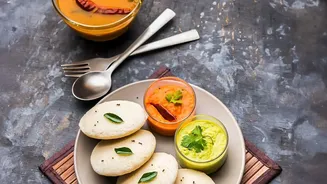
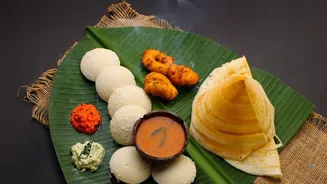
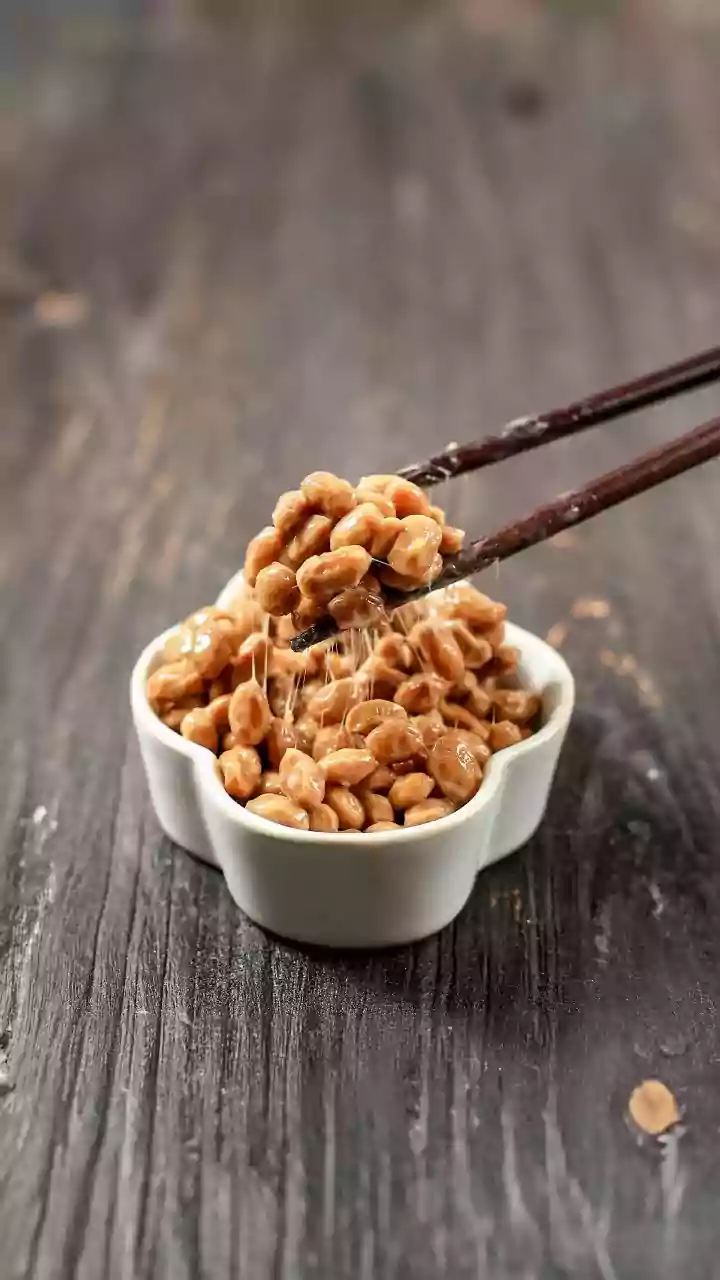
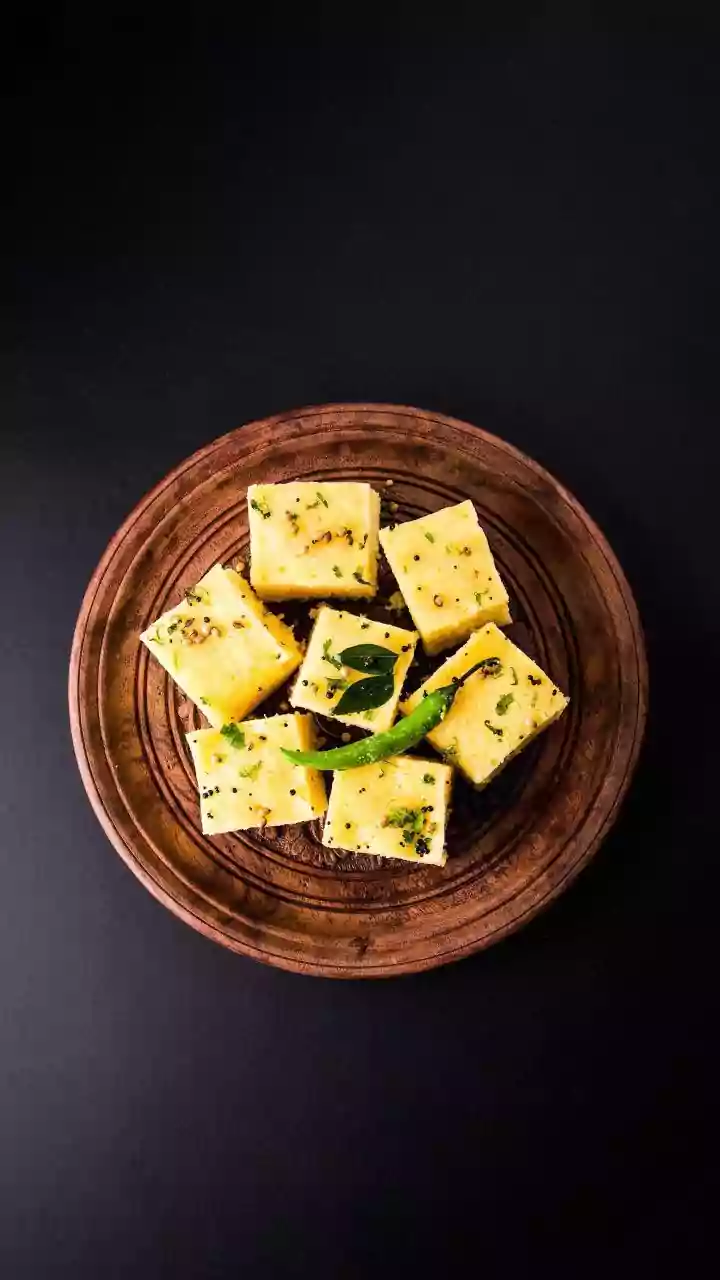
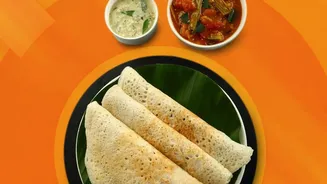
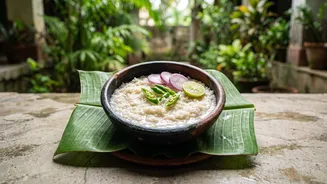
the Indian diet has naturally included a wealth of fermented foods that are potent sources of beneficial bacteria. Items like homemade dahi (curd), chaas (buttermilk), idli, dosa, dhokla, and traditionally made achaar (pickles) are not just dietary staples; they are foundational to good digestive health. These foods are created through natural fermentation, a process where microorganisms like bacteria and yeast break down sugars, making the food more digestible and nutrient-rich. This culinary heritage developed long before 'probiotics' became a buzzword, empirically understanding what science now confirms: fermented foods support health in ways that processed alternatives often cannot.
A Symphony of Microbes, Not a Solo Act
One of the most significant advantages of traditional foods is their microbial diversity. A commercial probiotic supplement typically contains a few specific, lab-grown strains of bacteria. In contrast, naturally fermented foods like dahi or idli batter contain a wide array of live bacteria, including various species of Lactobacillus, Leuconostoc, and Bifidobacterium. This diversity is crucial, as a healthy gut thrives on a varied population of microbes. Research has shown that a diet high in fermented foods can significantly increase the diversity of the gut microbiome, which is a key marker of digestive wellness. A single-strain supplement offers a targeted intervention, but whole foods provide a complex ecosystem of organisms that work together.
Food for the Good Guys: The Prebiotic Advantage
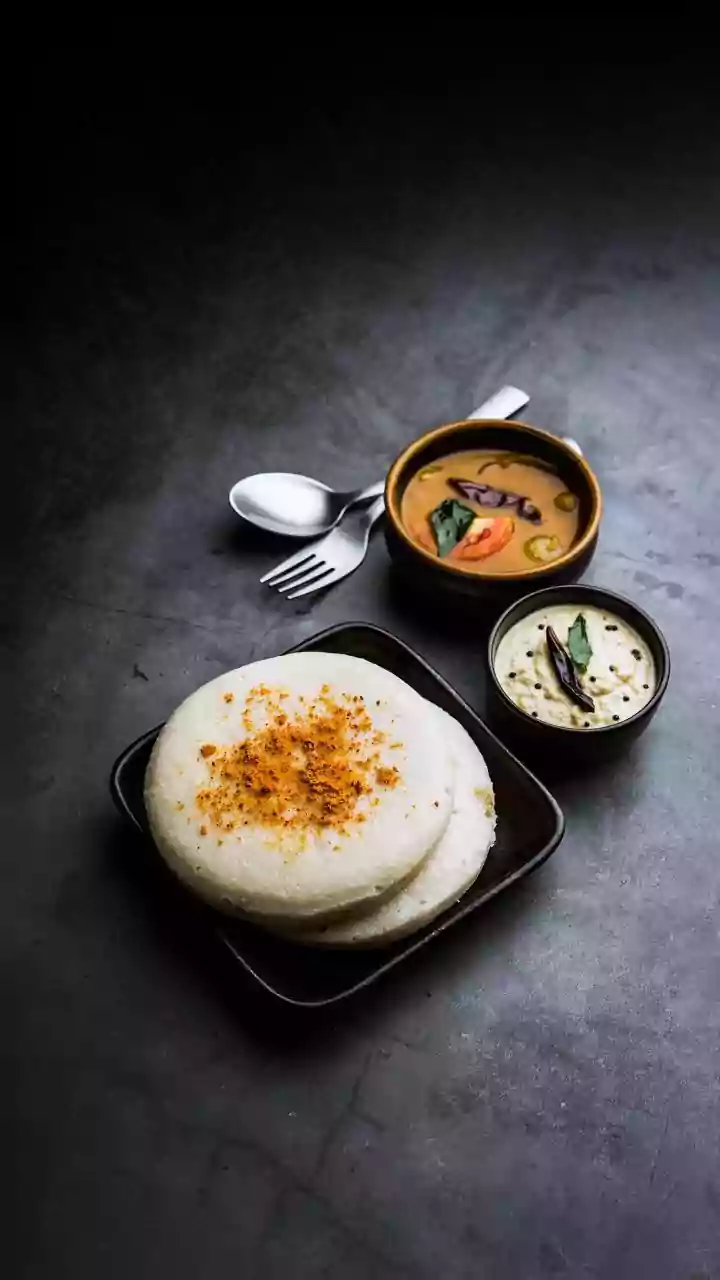
Probiotics are the live bacteria, but they need to eat. That's where prebiotics—specific types of fibre—come in. Prebiotics are abundant in the Indian diet in foods like dals, onions, garlic, bananas, and whole grains like ragi and jowar. When you eat a meal like idli with sambar or dal rice with a side of dahi, you are consuming both probiotics (from the fermented element) and prebiotics (from the lentils and grains). This combination is powerful; the prebiotics act as fuel for the beneficial bacteria, helping them thrive and colonise the gut. Processed probiotic drinks or pills deliver the bacteria alone, without the essential food needed to sustain them.
More Than Just Bacteria: Whole-Food Nutrition
When you consume a traditional fermented food, you're getting more than just probiotics. Fermentation actually enhances the nutritional profile of food. It breaks down complex carbohydrates and proteins, making them easier to digest and increasing the body's ability to absorb essential minerals like iron and calcium. For example, a bowl of homemade curd provides probiotics plus protein and calcium. Idli offers probiotics alongside digestible carbohydrates. A probiotic pill, on the other hand, offers none of this holistic nutritional value. The food matrix itself, with its fibre, vitamins, and minerals, provides a more complete package that supports overall health beyond just the gut.
The Question of Survival and Cost
For probiotics to be effective, they must survive the harsh acidic environment of the stomach to reach the intestines alive. The food matrix of dairy products like dahi and kefir can buffer stomach acid, potentially improving the survival rate of the bacteria they contain. While some supplements are designed for survival, the effectiveness can vary, and regulations are less stringent than for food products. Furthermore, there is the undeniable cost factor. A daily habit of commercial probiotic shots or pills can be expensive. Meanwhile, staples like homemade dahi cost a fraction of the price and are easily accessible. For most people seeking daily digestive maintenance, the traditional route is both more economical and sustainable.