






Why You Need a Fridge Agreement
A communal fridge can quickly become a source of daily frustration. Unspoken expectations are the primary cause of conflict; one person’s idea of 'clean' is another's nightmare, and assumptions about what’s shareable lead to arguments. Without clear rules,
you face disappearing lunches, overcrowding, and science experiments growing in forgotten containers. Establishing ground rules isn't about being rigid; it’s about preventing minor annoyances from escalating into major disputes. A simple conversation and a written plan create clarity and mutual respect, ensuring the kitchen remains a harmonious space.
The Digital (or Physical) Peace Treaty
The simplest way to manage your agreement is through a shared note that everyone can access. Digital options like Google Keep, Apple Notes, or a dedicated group chat are perfect for this. They allow for easy updates and serve as a constant, accessible reminder of the rules. If your household is more old-school, a physical whiteboard or a laminated sheet taped to the fridge door works just as well. The key is visibility and accessibility. When the rules are written down and displayed in a central place, they become the neutral authority, removing personal feelings from enforcement. It’s no longer one person nagging another; it’s just a matter of checking the agreement.
Rule 1: Divide and Conquer Shelf Space
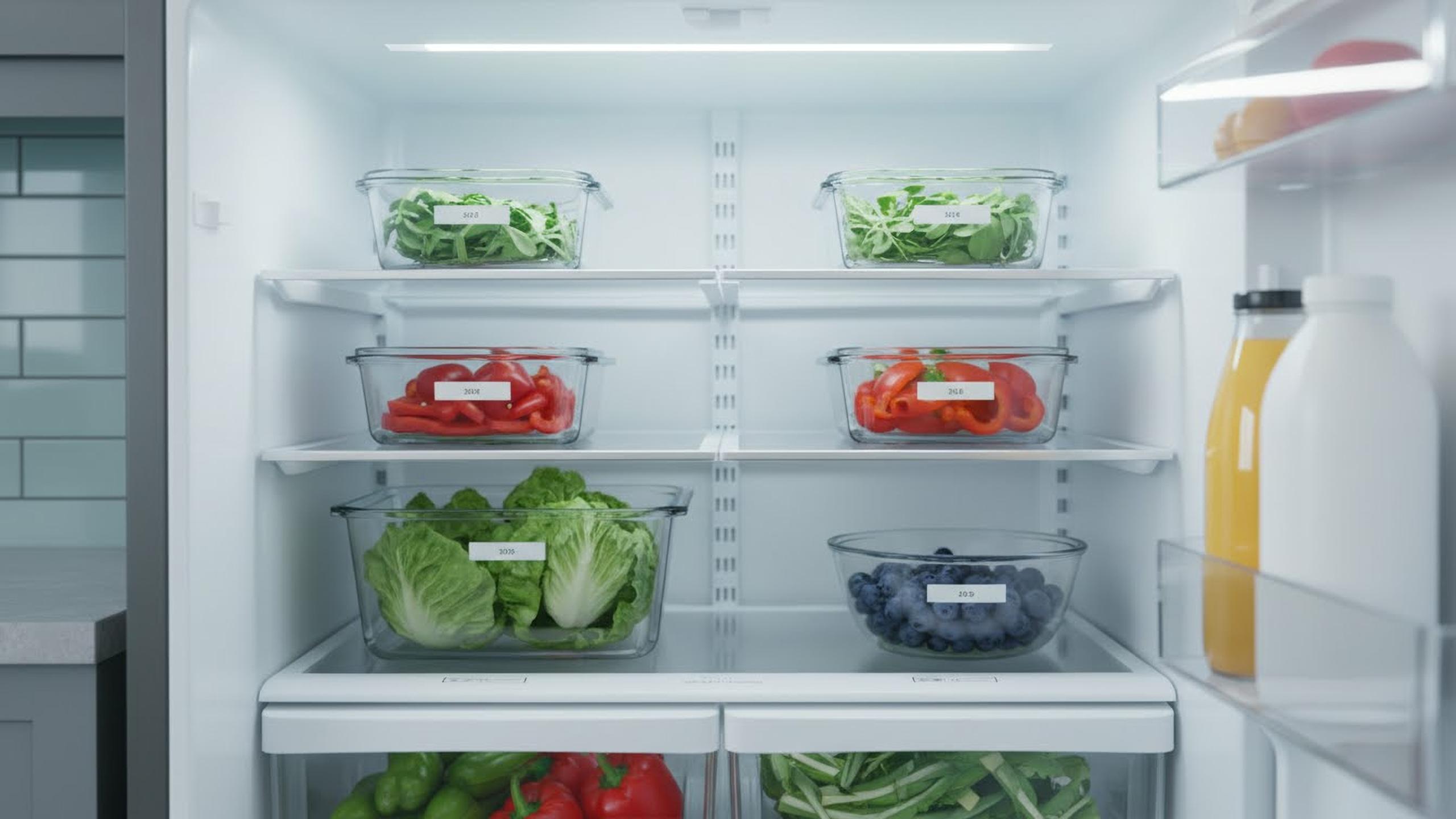
The cornerstone of any fridge agreement is the division of space. Assigning each person their own shelf or designated zone is the easiest way to prevent crowding and lost items. This creates clear ownership and makes it easy to see what belongs to whom at a glance. Be specific: one person gets the top shelf, another gets the middle, and so on. Crisper drawers can be split, or one can be for vegetables and the other for fruits. The fridge door is often best designated as a communal area for shared condiments, but this should be explicitly agreed upon. Using clear bins or baskets within each person's zone can further enhance organization and prevent small items from getting lost.
Rule 2: The Lifecycle of Leftovers
Leftovers are a primary source of fridge clutter and mystery smells. Your agreement must include clear rules for them. First, labeling is non-negotiable. All personal items, especially leftovers, should be marked with a name and the date. This prevents accidental theft and makes it clear when something has been sitting for too long. Next, establish a time limit. A common rule is that leftovers can stay for three to four days, after which they are fair game or must be thrown out. For items you don’t want to share, a clear label is crucial. Conversely, create a 'communal' or 'eat me first' zone for items that are up for grabs or nearing their expiration date to help reduce food waste.
Rule 3: The Weekly Clear-Out Ritual
To maintain order, a regular clean-out is essential. Your agreement should schedule a weekly or bi-weekly fridge purge. This task involves every person checking their designated area for expired food, old leftovers, and anything that needs to be tossed. You can rotate the responsibility for wiping down the shelves and drawers during this time. Setting a specific day and time, like Sunday evening, ensures it becomes a consistent habit. The rule should be firm: any unlabeled or expired items discovered during the clean-out are discarded without question. This keeps the fridge from becoming a graveyard for forgotten food and ensures it remains a clean, hygienic space for everyone.