





How Your Palate Gets Overwhelmed
Our taste buds are remarkable sensors, but they can become desensitised by the hyper-palatable foods common in modern diets. Processed foods, snacks, and restaurant meals are often loaded with intense levels of sugar, salt, and fat. Over time, your brain
and taste receptors adapt, and these high levels become your new normal. This makes naturally flavourful whole foods, like fruits and vegetables, seem bland in comparison. Your taste buds, which have a lifespan of about 10 days, are in a constant state of renewal. This regeneration is what makes it possible to reset your preferences and learn to appreciate more subtle tastes.
The Science of Going Slow
Quitting sugar or salt 'cold turkey' can feel like a shock to the system, making the change difficult to sustain. A sudden drop in these intense flavours can make food seem tasteless, leading to cravings and a quick return to old habits. A gradual reduction, however, gives your taste buds time to adjust. Studies show that as you slowly decrease your intake, your sensitivity to these tastes actually increases. Before long, foods you once enjoyed may start to taste overwhelmingly salty or sweet, and you'll find a new appreciation for the natural flavours in your meals. This slow-and-steady method builds a sustainable habit rather than relying on sheer willpower.
A Step-by-Step Guide to Reducing Sugar
Tackling sugar doesn't have to be an all-or-nothing battle. Start small. If you add two teaspoons of sugar to your coffee, cut back to one and a half for a week, then one. For breakfast cereals, try mixing your usual sweetened choice with an unsweetened version, gradually changing the ratio. When a sugar craving hits, reach for fruit first; its natural sweetness comes packaged with fibre and nutrients. When baking, you can often reduce the sugar in a recipe by a third to a half without a noticeable difference in the final product. Using spices like cinnamon, nutmeg, and vanilla can also trick your palate into perceiving sweetness.
Winning the War on Salt
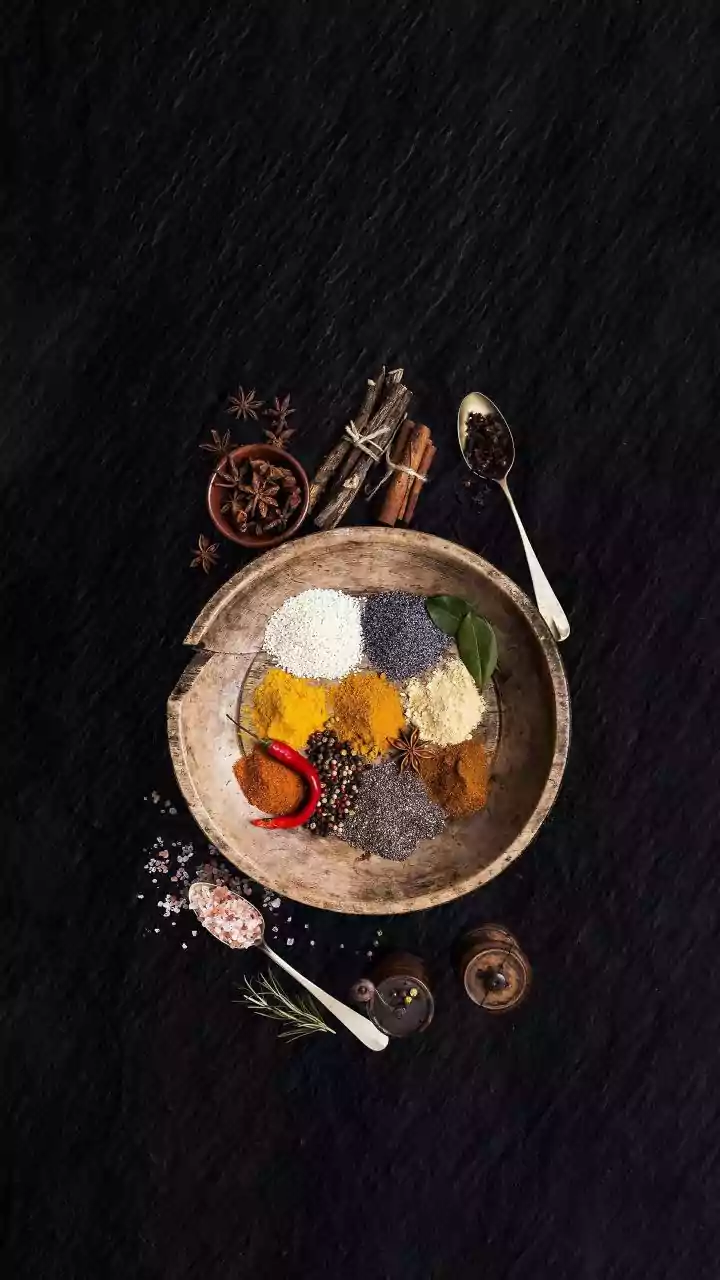
Since nearly three-quarters of sodium intake comes from processed and restaurant foods, cooking at home is your most powerful tool. When you do cook, skip adding salt to the water for pasta or rice. Instead, build flavour with other ingredients. A world of herbs and spices—like garlic powder, onion powder, paprika, basil, and oregano—can bring a dish to life without adding any sodium. A squeeze of lemon or lime juice can brighten flavours just before serving. When buying canned goods like beans or vegetables, choose 'no salt added' versions or rinse them thoroughly to wash away up to 40% of the sodium.
Cutting Fat Without Sacrificing Flavour
Reducing unhealthy fats is less about elimination and more about smart substitutions and cooking methods. Instead of frying, try baking, roasting, grilling, or air frying to get a crispy texture with far less oil. When you do use oil, opt for healthier fats. Cooking from scratch helps you avoid the hidden saturated fats in many processed foods. When choosing meats, look for leaner cuts. For sauces and dressings, swap heavy cream for a base of plain yogurt or a flavourful vinaigrette. By focusing on whole ingredients and healthier preparation, you'll naturally lower your intake of unhealthy fats while still enjoying delicious, satisfying meals.