
The Hidden Power in the Peel
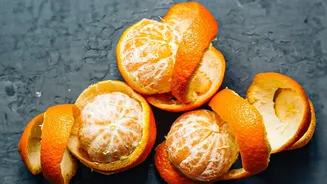
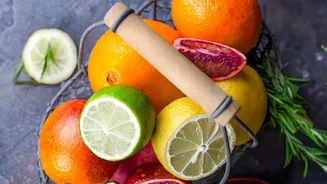
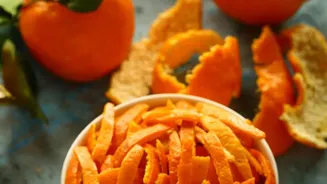
We often think of the fruit as the prize, but the peel and pith of citrus fruits are nutritional powerhouses that usually end up in the bin. Citrus rinds are packed with beneficial compounds that the juicy flesh lacks in such concentration. They are an excellent
source of dietary fibre, particularly pectin, which is a type of soluble fibre known for its health benefits. Beyond fibre, the peels are rich in vitamin C, with some sources suggesting one tablespoon of orange peel contains three times more vitamin C than the fruit inside. They also contain minerals like calcium and manganese, and a potent class of antioxidants called flavonoids. These compounds are responsible for the peel's bright colour and have been studied for their anti-inflammatory effects.
What Makes Them 'Gut-Friendly'?
The term “gut-friendly” can mean a few things, and these citrus preserves deliver on multiple fronts. First, the pectin in the peels acts as a prebiotic. Prebiotics are essentially food for the beneficial bacteria living in your gut. A well-fed microbiome is diverse and robust, which is crucial for good digestion and overall health. Secondly, by using fermentation, we introduce probiotics into the mix. Lacto-fermentation, a process that uses salt to create an environment where beneficial lactobacillus bacteria thrive, transforms the peels into a probiotic-rich food. These live microorganisms help support a healthy gut microbiome, aid digestion, and can even make the nutrients in the peel more bioavailable, meaning your body can absorb and use them more easily.
A Simple Guide to Fermented Citrus Peels
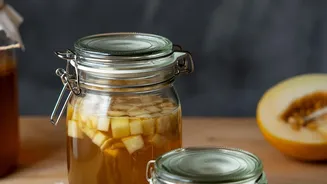
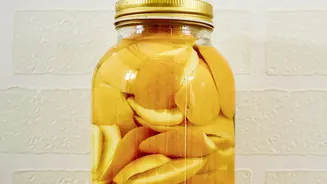
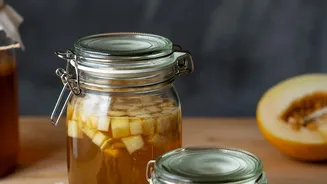
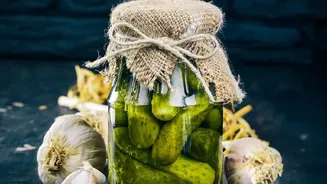
Making your own fermented citrus preserves is surprisingly simple and requires no special equipment. This method uses salt to kickstart the fermentation process. 1. Choose and Clean Your Fruit: Start with peels from about 5-6 organic citrus fruits (lemons, oranges, or grapefruit all work well). If you can't get organic, scrub the peels thoroughly in warm water to remove any wax or pesticide residues. 2. Prepare the Peels: Slice the peels into thin strips or chop them into small pieces. Try to remove most of the white pith if you prefer a less bitter flavour, though the pith itself is also nutritious. 3. Salt and Massage: Place the peels in a clean glass jar. For every cup of peels, add about 1-2 teaspoons of non-iodized salt. Use your hands to massage the salt into the peels, pressing down firmly to release their natural juices and oils. You can also add spices like cloves, cinnamon sticks, or peppercorns at this stage. 4. Wait and Watch: Pack the peels tightly into the jar. The liquid released should cover the peels. If not, you can top it off with a little fresh-squeezed citrus juice or a bit of brine (salt dissolved in water). Weigh the peels down with a fermentation weight or a small, clean object to keep them submerged. Cover the jar with a breathable cloth or a lid that you can "burp" daily to release pressure. Let it ferment at room temperature for 5-7 days, or up to several weeks for a more complex flavour.
How to Enjoy Your Gut-Friendly Preserves
Once your peels have fermented to your liking—they should smell tangy and pleasant—you can move them to the refrigerator, where they will keep for several months. The flavour is a unique combination of salty, sour, and citrusy, with a softened texture. They are a versatile condiment that can add a complex umami-like flavour to a variety of dishes. Finely chop them and add to salad dressings, marinades, or sauces. Mix them into yogurt or grain bowls for a zesty kick. Use them as a garnish on roasted vegetables, fish, or chicken. The unique flavour also pairs beautifully with rich, fatty foods, helping to cut through the richness and brighten the dish. Start with a small amount, as the flavour is concentrated.