

The Irresistible Allure of the Curve
For the last few years, interior design has shifted away from stark minimalism towards something warmer and more human. Curved furniture is at the heart of this change, offering a gentle alternative to the rigid, straight lines that once dominated. Psychologically,
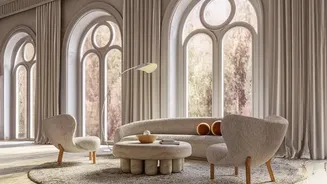
these rounded forms feel calming and safe, echoing shapes found in nature like rolling hills or smooth stones. This connection to the natural world, often called biophilic design, helps create sanctuaries that reduce stress. A serpentine sofa, a round dining table, or an arched mirror can make a room feel more welcoming, encouraging conversation and creating a natural sense of flow. These pieces are not just furniture; they are sculptural forms that bring a sense of ease and artistry into our homes.
When Curves Create Chaos
Despite their appeal, curved pieces can be surprisingly tricky to get right. The biggest mistake is ignoring the principle of scale, which is the size of an object in relation to the space it occupies. A common pitfall is placing an oversized, chunky curved sofa in a small, rectangular room. Instead of creating flow, it can overwhelm the space, limit layout flexibility, and create awkward 'dead zones' that are hard to use. Some designers argue that many curved sofas, while beautiful, are impractical for lounging and can reduce a room's actual seating capacity. When every piece in a room is curved, the space can lack structure and feel visually chaotic. The trend's initial burst of enthusiasm led some to believe more curves were always better, but a lack of balance can make a room feel unresolved.
The Rebalance: Mixing Curves and Lines
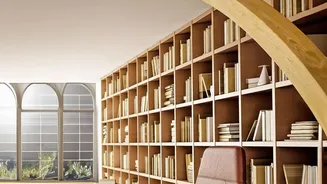
The current 'rebalance' isn't about abandoning curves, but about using them more intentionally. The magic lies in the mix. Designers recommend a 70/30 approach: let about 70% of your space be defined by straight, structural lines (like walls, rugs, or bookcases) and use curves for the other 30% as accents. This contrast creates a dynamic visual interest. Pairing a sculptural, rounded sofa with a rectangular coffee table, or flanking a straight-lined bed with two round nightstands, highlights the beauty of each shape. This juxtaposition provides the softness of curves while maintaining the grounding structure that straight lines offer, making the design feel deliberate and sophisticated.
Mastering the Art of Furniture Scale
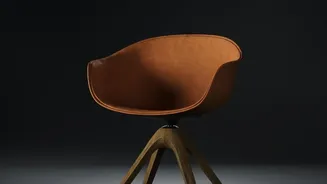
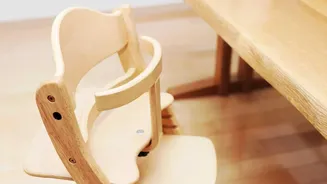
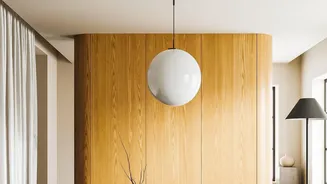
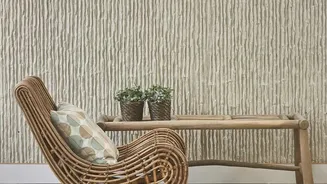
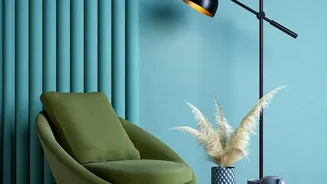
Proper scale is what makes a room feel 'right'. Before buying a curved piece, measure your room and even create a floor plan. A large, serpentine sectional might look stunning in a showroom but will feel intrusive in a compact apartment. In smaller spaces, it's often better to introduce curves with smaller items. An accent chair with a rounded back, a circular ottoman, or an arched floor lamp can deliver the trend's benefits without overwhelming the room. It is also important to consider negative space—the empty areas around your furniture. Curved pieces, especially, need room to breathe to show off their shape. Pushing a curved sofa against a flat wall, for instance, often defeats the purpose of its form.
Bringing Balanced Curves Home
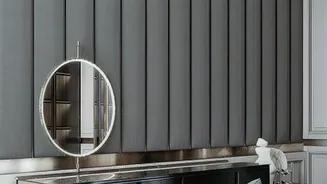
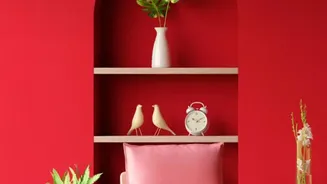
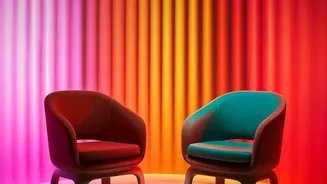
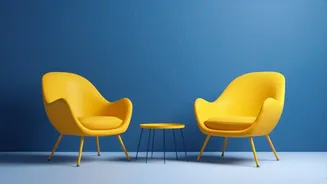
Integrating this rebalanced trend is easier than it sounds. If you're hesitant, start small with accessories like round mirrors or circular rugs. A pair of armchairs with soft, curved backs can create an inviting conversation nook without the commitment of a large sofa. When choosing a larger piece, like a dining table, consider an oval shape, which combines the intimacy of a round table with the linear capacity of a rectangle. Pay attention to your home's existing architecture; if you have arched doorways or a curved staircase, echo those shapes with your furniture to create a sense of harmony. Ultimately, the goal is to create a layered space where different shapes complement, rather than compete with, each other.