





A Philosophy of Function over Flash
Sonam Bajwa’s approach to fitness is refreshingly grounded. She has often said that her goal is to feel strong and capable, not just to chase a certain look. For her, fitness is functional before it is aesthetic; it provides the strength and stamina required
for long shooting schedules and demanding dance routines. This mindset shifts the focus from simply lifting heavy weights to moving with purpose. While many gym-goers get caught up in how much weight they can move, Bajwa’s training highlights a more crucial factor: the quality of each repetition. It’s a principle that defies outdated advice she has noted women often receive, such as warnings against lifting weights. Instead, her preference for weights shows a commitment to building genuine, sustainable strength.
What Is Controlled Movement?
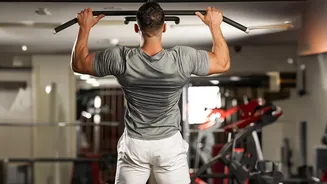
Controlled movement in strength training is about intentionally managing the speed of each phase of an exercise. Instead of letting momentum do the work, you focus on the muscle from start to finish. This technique is often discussed in terms of 'Time Under Tension' (TUT), which refers to how long a muscle is actively working during a set. For example, instead of quickly performing a squat, you might slow down the descent (the eccentric phase) to a count of three seconds, pause briefly at the bottom, and then take one or two seconds to return to the start (the concentric phase). This deliberate pacing eliminates the bouncing or jerking motions that can lead to injury and ensures the targeted muscles are engaged throughout the entire range of motion.
The Benefits: More Growth, Less Risk
Slowing down your reps does more than just make the exercise feel harder. It’s a scientifically-backed way to maximize results. Firstly, increasing time under tension stimulates muscle hypertrophy (growth) more effectively by creating more metabolic stress and micro-tears in the muscle fibres. This forces the body to adapt by building the muscles back stronger. Secondly, controlled movement significantly improves the mind-muscle connection. By focusing on the muscle you’re working, you can recruit more muscle fibres, leading to a higher quality contraction and better results. Finally, it is much safer. Using momentum or improper form to lift heavier weights is a common cause of injury. Slow, controlled reps protect your joints and tendons by ensuring that the load is managed by the muscle, not by compromising your form.
How to Apply Control to Your Leg Day
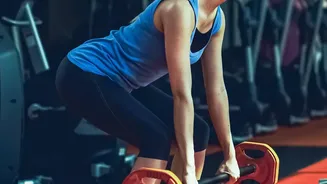
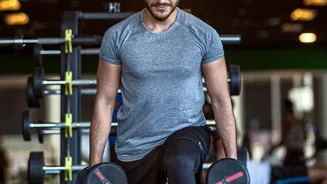
You can apply this principle to almost any leg exercise. Start by reducing the weight you’d normally use to prioritize form. For squats and lunges, focus on a slow, three-second descent, making sure your knees track in line with your toes and your core is engaged. Avoid dropping quickly into the bottom of the movement. For machine exercises like the leg press or leg extension, the same rule applies. Control the weight during the lowering phase instead of letting the stack crash down. The goal is to feel the target muscles—quads, glutes, and hamstrings—working continuously. Performing reps with a controlled tempo might mean you do fewer reps or use lighter weight, but the quality of the stimulus will be far superior.