
From Cluttercore to Calm
There was a time when more was more. Maximalism and its cousin, 'cluttercore,' encouraged us to fill every inch of our shelves with books, trinkets, and treasures. The look was meant to be personal and expressive, a story told through objects. However,
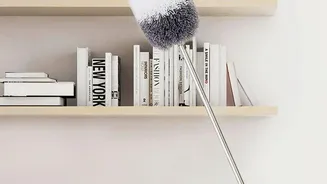
the reality of living with these densely packed displays is less romantic. The main issue? Dust. Each item becomes another surface to clean, turning a quick weekly task into a major undertaking. The backlash against this style isn't a rejection of personality but a move towards greater peace and practicality. Homeowners are discovering that a cluttered environment can contribute to stress, while a simplified space promotes mental clarity and calm. This trend reversal is about creating a home that serves as a sanctuary, not another source of chores.
The Power of Negative Space
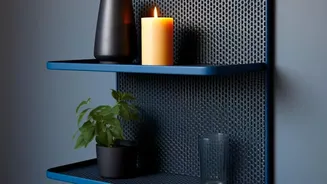
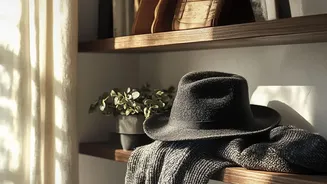
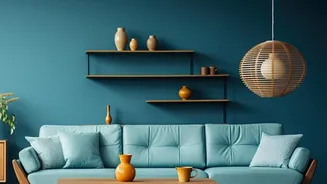
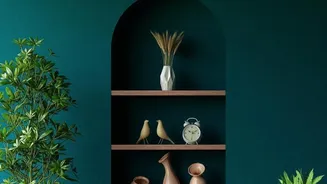
The single biggest shift in this new approach is the embrace of negative space—the empty areas between objects. Interior designers emphasize that leaving shelves partially empty is a deliberate choice that allows the remaining items to stand out. Instead of filling every corner, the goal is to create breathing room, which gives the entire arrangement a more sophisticated and intentional feel. Think of your shelves as a curated gallery rather than a storage unit. This doesn't mean your shelves must be bare. The key is to avoid filling them to more than about 90% capacity, giving each piece significance. This approach makes a space feel larger and more inviting, a direct contrast to the way crowded shelves can make a room feel smaller and more chaotic.
Curate, Don't Accumulate
Achieving this simpler look requires a mindset shift from accumulating to curating. The process starts with a thorough decluttering. The best method is to remove everything from your shelves and start with a blank slate. This forces you to see each object individually and make an intentional decision about whether it deserves to return. Keep only the items that are either truly useful or deeply meaningful. This is an opportunity to assess what your collection says about the life you want to live. Once you have your 'keep' pile, choose only the best pieces for display. The rest can be stored away and rotated seasonally. This keeps your display fresh and ensures your shelves reflect you, not just a random collection of things. Adopting a 'one in, one out' rule can help maintain this balance long-term.
Styling for Simplicity and Sanity
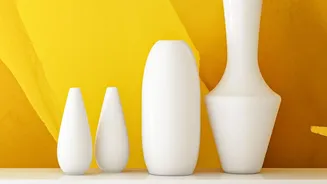
Styling for an uncluttered look is an art, but a few simple rules make it easy. First, vary the height and scale of your objects to create a more dynamic and natural composition. A common designer trick is to stack books horizontally to create a platform for a smaller decorative item. This layering adds depth and visual interest. Another key is to group items using the 'rule of three,' as odd-numbered groupings tend to look more appealing and less rigid. To make dusting a breeze, consolidate smaller items. Instead of having several tiny objects scattered about, place them together on a decorative tray or in a small bowl. This way, you only have to lift one item to clean underneath. Finally, maintain a cohesive color palette with two to three main colors to create a sense of harmony.