

The 'Kachi Ghani' Difference
Before we dive into specific oils, it's important to understand what “cold-pressed” truly means. Known traditionally as 'Kachi Ghani', this is a method of oil extraction where seeds are crushed slowly at a low temperature without using chemicals or high
heat. This gentle process is key because it preserves the oil's natural character—its nutrients, distinct aroma, and, most importantly, its authentic flavour. Refined oils, in contrast, are processed at high temperatures and treated with chemicals to create a neutral taste and longer shelf life. This stripping process removes the very compounds that give traditional oils their personality and ability to elevate a dish from merely good to truly memorable.
Mustard Oil: The Pungent Powerhouse
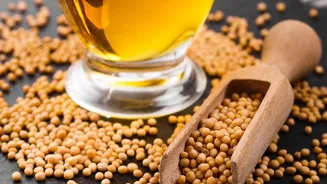
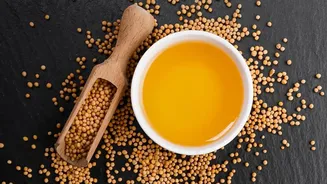
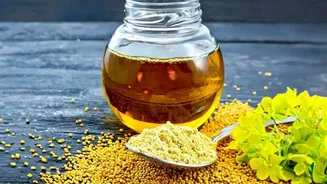
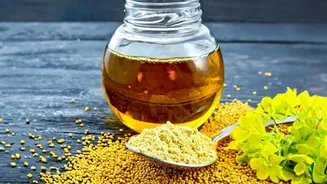
No discussion of flavourful Indian oils is complete without mentioning mustard oil, or 'sarson ka tel'. Its bold, pungent character is not just a taste but a multi-sensory experience. This signature sharpness comes from a compound called allyl isothiocyanate, which is preserved in the cold-pressing process. This natural pungency is what gives Bengali dishes like Shorshe Ilish (hilsa in mustard gravy) their definitive kick and what makes the pickles of North India so uniquely tangy. In Punjabi cuisine, it is the soul of Sarson da Saag, while in Bihari and UP kitchens, it lends its assertive flavour to everything from curries to snacks. The oil doesn’t just add its own flavour; it enhances the spices it's cooked with, creating a depth that refined oils cannot replicate.
Sesame Oil: The Nutty Elixir of the South
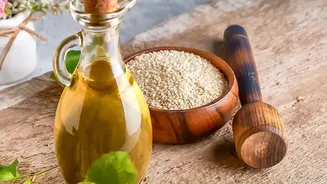
Travel south, and the fragrance of sesame oil, or 'nallennai'/'gingelly oil', takes over. Revered in Ayurveda as the "Queen of Oils," its nutty, earthy flavour is a cornerstone of South Indian cuisine. A drizzle of cold-pressed sesame oil mixed with 'podi' and served with hot idlis is a classic comfort food for a reason. Its distinct taste is essential in rice dishes like puliyogare (tamarind rice) and for tempering countless dals and chutneys. Unlike the toasted sesame oil used in East Asian cooking, the untoasted, cold-pressed Indian variety offers a more subtle, wholesome nuttiness. It also serves as a natural preservative in many iconic South Indian pickles, where its flavour marries beautifully with tangy and spicy notes over time.
Groundnut Oil: The Mild and Versatile Workhorse
While mustard and sesame oils are known for their strong personalities, cold-pressed groundnut oil is prized for its versatility. With a milder, slightly sweet and nutty profile, it’s a staple in Western and Southern India, particularly in Gujarat, Maharashtra, and Andhra Pradesh. Its strength lies in its ability to carry the flavours of other ingredients without overpowering them. This makes it the perfect medium for a crisp tadka, for frying snacks like Maharashtrian sabudana vada, or for preparing everyday sabzis and poha. Because it doesn't impose its flavour, it allows the spices and vegetables to shine, providing a clean, authentic taste that has been cherished in these regions for generations.