







More Oil on the Global Market
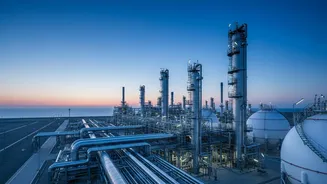
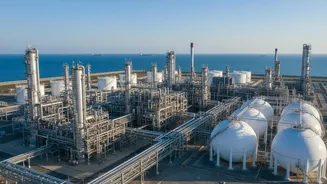
A group of major oil producers, including Saudi Arabia and Russia, has agreed to increase oil production quotas starting in September. On August 2, seven key OPEC+ members confirmed they would raise output by 188,000 barrels per day. This move completes
the phased reversal of voluntary supply cuts that were first introduced in 2023 to support prices. In theory, more supply leads to lower prices. However, the real-world impact might be muted. Analysts note that ongoing geopolitical conflicts and attacks on energy infrastructure have disrupted exports, meaning that much of the previously approved supply hikes this year have not yet reached the market. While the September increase signals a move towards market normalization, significant production cuts from 2022 remain in place and are scheduled to run until the end of 2026.
The Complicated World of Fuel Taxes
For Indian consumers, a drop in global crude prices doesn't automatically translate to cheaper petrol or diesel. The final price at the pump is heavily influenced by central and state taxes. The government often uses fuel levies as a crucial tool for revenue generation, helping to manage its fiscal deficit. When global prices fall, there is often public pressure to pass the benefit on to consumers. However, the government faces a tough choice: cut taxes and relieve household budgets, or maintain them to fund public spending and keep its finances in check. Recently, the government has also been adjusting windfall taxes on fuel exports, which are special levies on the high profits made by oil refiners. These taxes were raised effective August 3, a move designed to ensure adequate domestic supply and boost state coffers amid volatile global prices.
Oil's Influence on the Indian Rupee
The price of oil has a direct and significant impact on the Indian Rupee. India imports over 80% of its crude oil requirements, making it the third-largest oil importer globally. These purchases are made in US dollars. When crude prices are high, India needs to sell more rupees to buy the necessary dollars, which puts downward pressure on the currency. Conversely, when oil prices fall, the import bill decreases, reducing the demand for dollars and helping to strengthen the rupee. A stronger rupee makes all imports, not just oil, cheaper and helps to control inflation. The Finance Ministry has previously warned that sustained high oil prices can strain the country's current account deficit (the difference between imports and exports), which is a key indicator of economic stability.
A Tricky Balancing Act for Policymakers
The potential for lower oil prices presents Indian policymakers with a classic economic trilemma. The first option is to pass on the price reduction to consumers, which would lower inflation and provide a boost to household spending. The second is to maintain or even increase taxes on fuel, shoring up government revenues needed for infrastructure and social programs. The third option is to let the benefits accrue through a stronger currency, which helps tame imported inflation and improves the nation's overall external balance. Analysts predict that a widening current account deficit, driven by energy costs, remains a key risk for the Indian economy. The government's response to the changing oil price environment will therefore involve a delicate balancing act between providing immediate relief to citizens, securing its own financial health, and ensuring macroeconomic stability.