

More Than a Holiday, It's a Partnership
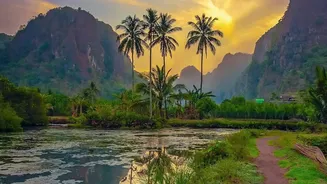
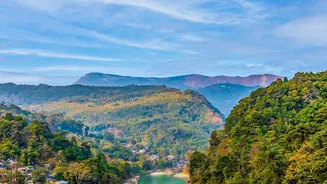
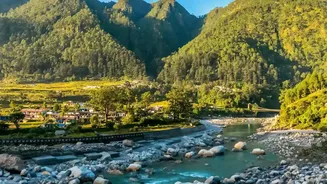
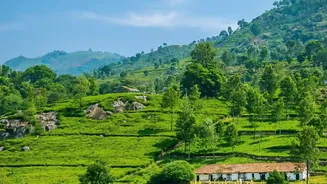
For years, tourism in many parts of the world has been a one-way street. Travellers arrive, see the sights, and leave. But in the lush hills and valleys of Northeast India, a different model is taking root. Community-based ecotourism is transforming the traditional
holiday into a meaningful exchange. This approach puts local communities, many of whom are indigenous tribes with deep connections to the land, at the heart of the experience. It ensures that the economic benefits of tourism stay local, empowering villagers and helping to preserve their unique cultures and fragile ecosystems. Travellers are no longer just passive observers; they are active participants in a sustainable ecosystem that values authenticity over commercialism.
Living with Locals: The Homestay Revolution
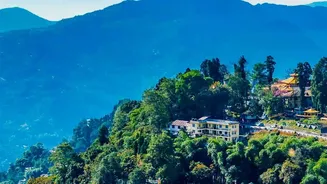
Perhaps the most powerful example of this shift is the rise of community-run homestays. States like Sikkim and Meghalaya are leading the way. In villages such as Kewzing in Sikkim, local Bhutia families have opened their homes to guests, offering an intimate glimpse into their daily lives and traditions. This initiative, supported by local development foundations, provides villagers with a sustainable livelihood, reducing the need for migration to urban centres. Similarly, in Arunachal Pradesh, travellers can stay in traditional bamboo cottages and eco-lodges run by local families, from the valleys of Ziro to the riverside camps near Pasighat. These stays often feature organic meals sourced from the family garden and provide a direct, tangible way for tourists to support the local economy.
Guardians of the Green: Conservation as an Attraction
Eco-travel in the Northeast is also about actively participating in conservation. In Meghalaya, the famous living root bridges, masterpieces of indigenous engineering woven from the roots of rubber trees, are a prime example of sustainable tourism. The communities that act as custodians of these natural wonders, like in Mawlynnong, ensure their preservation. Mawlynnong, famously known as Asia's Cleanest Village, has built its tourism model around cleanliness and respect for nature, with community-wide plastic bans and bamboo dustbins. This ethos extends to cave tourism, where community-led groups guide visitors through fragile underground ecosystems, using tourism to fund conservation and raise awareness.
Adventure with a Conscience
The region is a paradise for adventure lovers, offering everything from trekking in Nagaland's Dzukou Valley to river rafting on the Siang in Arunachal Pradesh. What's changing is the focus on making these activities low-impact. Tour operators and local guides are increasingly encouraging responsible practices, such as sticking to marked trails, avoiding litter, and respecting wildlife habitats. This responsible approach ensures that the pristine beauty that draws adventurers to places like Namdapha National Park or the high-altitude treks around Tawang remains untouched for future generations to explore. The goal is to experience the thrill of the wild without leaving a scar on it.
A Taste of Sustainability: Farm Stays and Organic Living
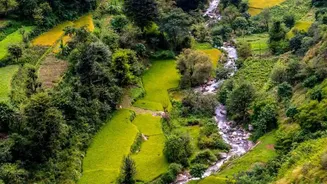
Sikkim, India's first fully organic state, exemplifies how agriculture and tourism can merge beautifully. Farm stays are becoming a popular choice for travellers who want to disconnect and experience rural life. At places like Eshab Homestay in West Sikkim, guests can stay in traditional huts and learn about organic farming and the principles of reduce, reuse, and recycle. Many homestays across the region are built with sustainable materials and offer meals prepared with vegetables grown right there in the garden. This not only provides the freshest food but also a deeper understanding of the local way of life, where sustainability isn't a trend but a tradition.