





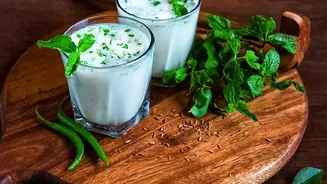

In the vibrant and crowded beverage aisles of India, a quiet but flavourful revolution is underway. A new choice is bubbling up next to the familiar red and blue cans of global cola giants: the earthy, spicy kick of traditional cumin soda.
A Fizzing David vs. Goliath Story
For decades,
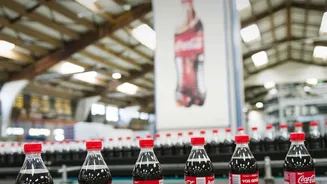
the Indian soft drink market has been a duopoly, dominated by the sweet, familiar tastes of Coca-Cola and Pepsi. Their combined market share was once as high as 93%. However, a seismic shift is occurring, driven by a growing appetite for local flavours. So-called 'ethnic beverages', particularly cumin-based or 'jeera' sodas, are rapidly gaining ground. Recent reports indicate that the market share of these domestic challengers has doubled to around 15%, while the cola giants have seen their dominance slightly erode to about 85%. This isn't just a battle of flavours; it's a competition between global marketing muscle and the appeal of homegrown tradition.
The Taste of Home, Bottled
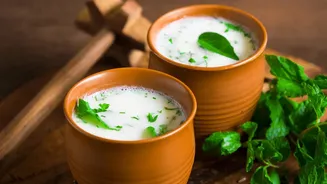
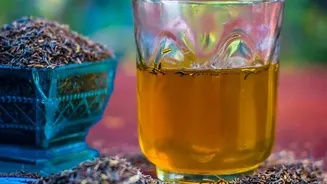
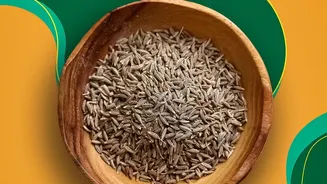
Cumin, or jeera, is a cornerstone of Indian cuisine, used for centuries in everything from tadka to marinades. Its use as a beverage is also deeply rooted in tradition. Long before it was bottled, jeera soda was a staple at street food stalls, served fresh as a digestive aid after a heavy or spicy meal. Cumin has been used in Ayurveda for its digestive properties for thousands of years, giving the drink a functional appeal that sugary colas lack. This modern, packaged version simply adapts a familiar, trusted flavour for a new generation, offering a unique profile that is savoury, tangy, and spicy rather than just sweet.
The Rise of the Local Challengers
The success story of brands like Lahori Zeera, which started as a kitchen experiment in Punjab in 2017, exemplifies this trend. By tapping into familiar tastes and offering their product at an accessible price point, often just ₹10, they have won over millions of consumers. They are not alone. A host of other brands, including Xotik's Jeeru, Reliance's Campa Jeera, and Bisleri's Spyci Jeera, have entered the fray. Even legacy companies like Parle Agro have expanded the distribution of their cumin soda, Dhishoom, to meet rising demand. This surge in popularity is so significant that online orders for such drinks reportedly grew by 900% during a recent summer.
A Broader Shift in Consumer Habits
The rise of jeera soda is part of a larger trend in India towards 'modern traditionalism'. Consumers are increasingly seeking out products that offer both convenience and a connection to their cultural identity. This movement is visible across the food and beverage industry, from the revival of traditional grains to the growing popularity of artisanal Indian spirits. There is also a growing health consciousness, with many consumers looking for functional beverages that offer benefits beyond simple refreshment, such as aiding digestion. Cumin soda, with its reputation as a digestive, fits perfectly into this evolving consumer landscape.
An Uncertain but Exciting Future
While the growth of cumin soda is impressive, the path forward is not without challenges. The low-price strategy, while effective for capturing market share, puts pressure on profit margins, especially with rising commodity costs. Furthermore, the global giants are not standing still. Coca-Cola, for instance, owns the jeera-flavoured brand RimZim and has reportedly increased its production to compete. Despite this, the momentum is undeniable. Indian beverage makers are confident, with some, like Lahori Zeera's founders, aiming to take their local flavours to the global stage. They envision a future where the next generation around the world might reach for an Indian cumin soda just as readily as a cola.