



Why Protein Diversity Matters
Protein is essential for building everything from muscle to hormones. It's made of building blocks called amino acids. There are nine 'essential' amino acids our bodies can't make, so we must get them from food. Foods containing all nine are called 'complete
proteins', while those missing one or more are 'incomplete'. Animal-based foods like meat, eggs, and dairy are typically complete proteins. Most plant foods, like lentils and grains, are incomplete on their own. However, you don't need every food to be complete. The magic happens when you combine different sources. A varied protein intake ensures you get a full range of amino acids, plus a wider array of vitamins, minerals, and fibre, which supports gut health and can reduce disease risk.
The Power of Pulses and Legumes
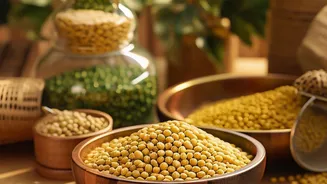
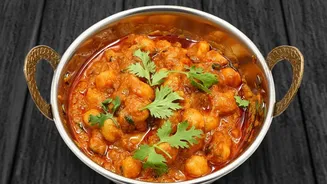
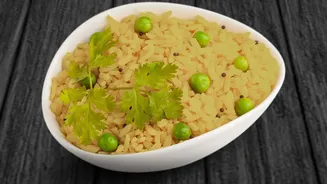
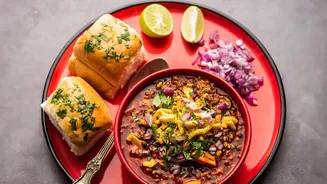
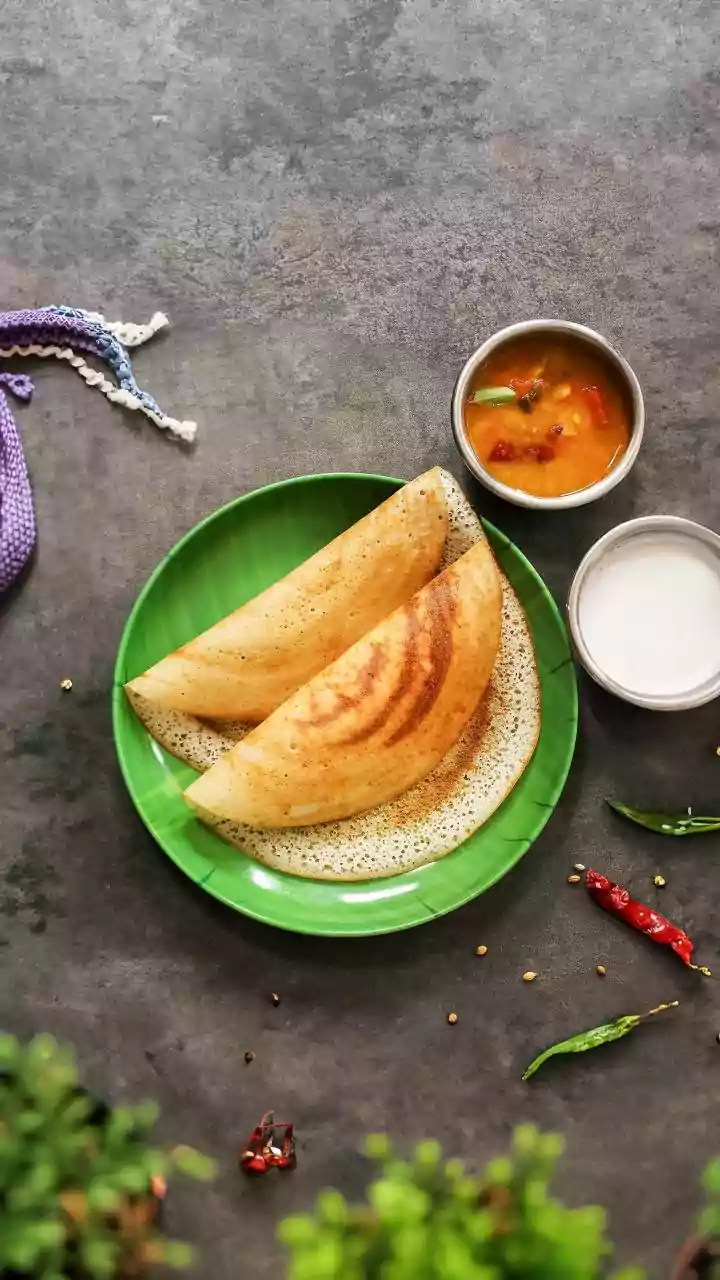
Lentils (dal), chickpeas (chana), and kidney beans (rajma) are the foundation of Indian protein intake, especially for vegetarians. A single cup of cooked lentils can provide around 18 grams of protein. While dals are rich in some amino acids like lysine, they are often low in methionine. This is where traditional food pairings show their wisdom. Combining dal with rice or roti creates a complete protein profile, as grains provide the methionine that lentils lack. This is why dal-chawal, rajma-chawal, and sambar with idli are not just comfort foods; they are nutritionally complete meals. Sprouting legumes can also enhance their digestibility and nutrient absorption.
Dairy: A Vegetarian Staple
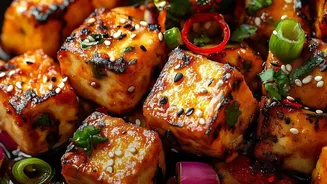
Dairy products are a cornerstone of the Indian diet and an excellent source of complete protein. Paneer (Indian cottage cheese), curd (dahi), and milk are readily available and versatile. A 100-gram serving of paneer offers around 18-20 grams of protein, making it a substantial addition to any meal. It also provides slow-digesting casein protein, which promotes a feeling of fullness. A bowl of plain curd or Greek yogurt can add a quick 7-10 grams of protein, along with beneficial probiotics. Incorporating dairy is an easy way to boost both the quantity and quality of protein in vegetarian diets.
Meat, Fish, and Eggs
For non-vegetarians, animal sources offer the most concentrated protein. A 100-gram serving of chicken breast contains about 31 grams of protein, significantly more than the same amount of paneer but with fewer calories. Eggs are another powerhouse, with a single egg providing about 6 grams of highly bioavailable protein. Fish, particularly fatty fish like salmon, provide high-quality protein along with beneficial omega-3 fatty acids. While these are excellent sources, a balanced diet benefits from incorporating them alongside plant-based options rather than relying on them exclusively.
Grains, Nuts, and Seeds
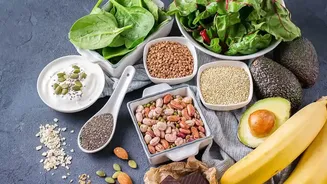
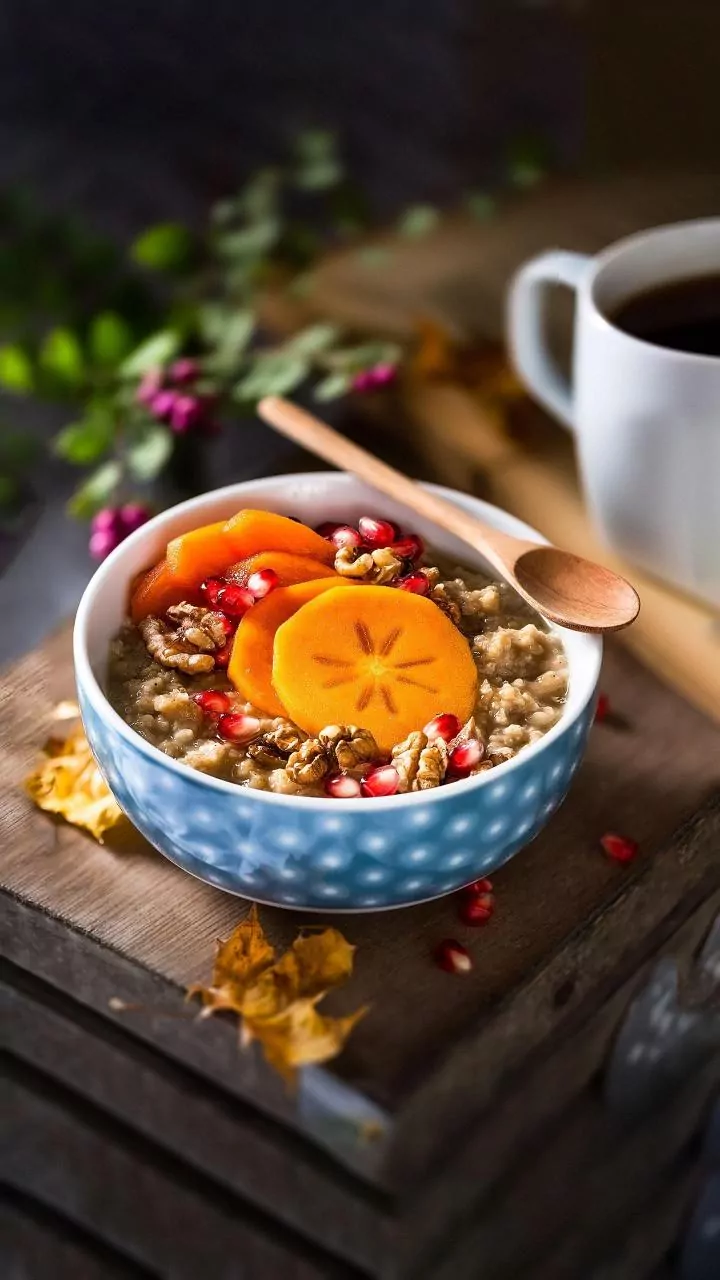
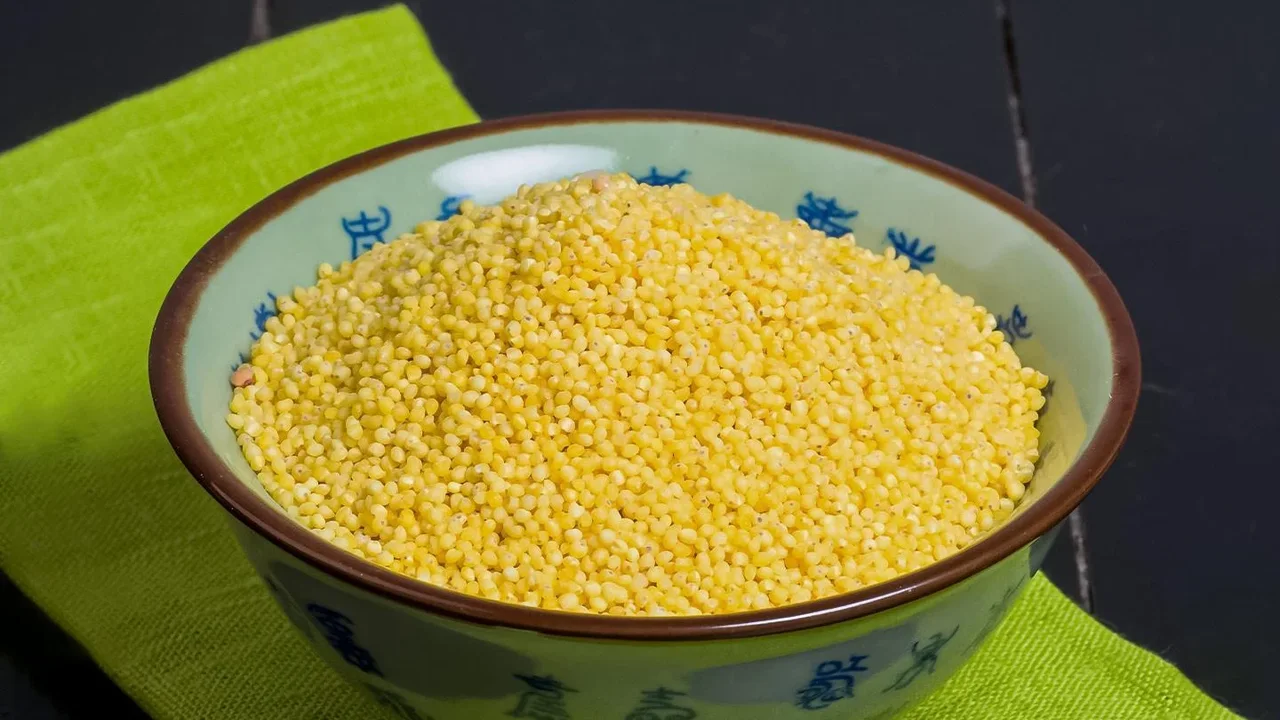
Don't overlook the protein contributions from other food groups. Ancient grains like millets (jowar, bajra) and pseudo-grains like quinoa are fantastic additions. Quinoa is notable for being a complete plant-based protein, containing all nine essential amino acids. Nuts and seeds like almonds, walnuts, peanuts, and pumpkin seeds are not only rich in healthy fats but also provide a solid protein boost, with a small handful of peanuts offering around 7 grams. Sattu, a flour made from roasted gram, is another underrated and affordable protein source popular in northern India. These foods are perfect for snacking or sprinkling over meals to increase protein diversity.