



What Exactly Is a Monsoon Pot?
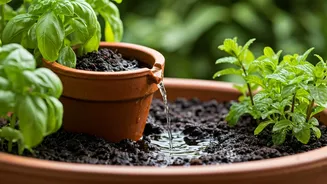
You might know them by another name: ollas. A monsoon pot is an unglazed terracotta vessel that’s buried in soil, with only its neck protruding. You fill the pot with water, and because it’s porous, the water slowly seeps out directly into the soil, delivering
moisture to the plant roots where it's needed most. The name 'monsoon pot' is a fitting description for the Indian context, evoking the steady, life-giving rains that nurture plants. It’s not a new invention but a time-tested irrigation method used for centuries in arid climates to conserve water and grow healthy crops.
The Genius of Slow-Release Watering
The primary advantage of a monsoon pot is its incredible water efficiency. When you water plants from the surface, a significant amount of moisture is lost to evaporation, especially in our hot climate. Runoff can also be an issue. These pots solve both problems by watering from below the surface. Plants draw only the water they need, when they need it. This results in water savings of up to 70% compared to surface watering. It also means you water less frequently—perhaps only once or twice a week, depending on the pot size, plant, and weather. It’s a set-it-and-forget-it system for the busy urban gardener.
Healthier Roots and Fewer Pests
Consistent moisture at the root level encourages plants to develop deep, strong root systems. Unlike the cycle of drought and flood that can occur with infrequent surface watering, the steady supply from a monsoon pot prevents plant stress. Furthermore, keeping the surface of the soil and the plant’s leaves dry helps prevent fungal diseases like powdery mildew, which thrive in damp conditions. This dry surface environment is also less inviting for common pests like slugs and snails, leading to healthier plants without the need for chemical interventions.
Best Herbs for Your Kitchen Garden
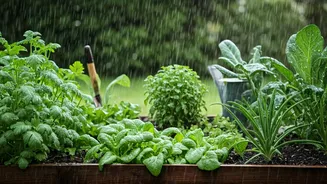
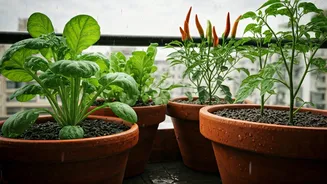
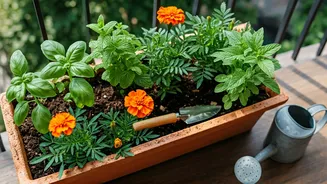
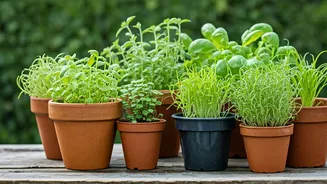
Herbs are a perfect match for this watering system. Their water needs are met without drenching their delicate leaves. Consider growing these kitchen essentials: * **Mint (Pudina):** Known for its aggressive growth, a monsoon pot keeps it hydrated and contained. * **Basil (Tulsi):** Loves consistent moisture but hates 'wet feet'. This system provides the perfect balance. * **Coriander (Dhania):** Can be tricky to grow as it bolts in heat. The cool, moist root zone helps prolong its life. * **Lemon Grass:** A thirsty plant that will appreciate the constant water supply. * **Curry Leaves (Kadi Patta):** Thrives with deep, consistent watering that encourages robust growth.
Vegetables That Thrive with This Method
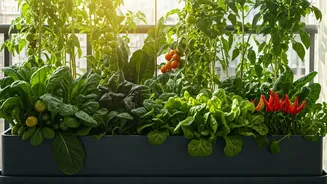
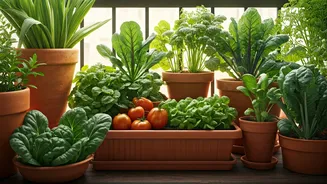
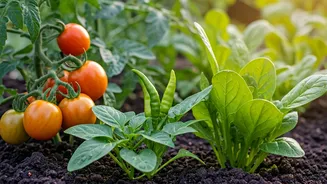
You can also grow a surprising variety of vegetables using monsoon pots in larger containers or raised beds. Focus on plants that appreciate consistent moisture. * **Chillies:** A steady water supply helps prevent blossom drop and encourages a good harvest. * **Cherry Tomatoes:** Avoids the split skins that can result from inconsistent watering. * **Brinjal (Baingan):** Prefers deep watering, which this method provides perfectly. * **Leafy Greens (Palak, Amaranth):** The consistent moisture prevents bolting (premature flowering) and bitterness. * **Okra (Bhindi):** A strong root system developed with this method supports a productive plant.
How to Set Up Your System
Getting started is simple. Choose a large container or a spot in your garden bed. Dig a hole and bury your monsoon pot, leaving the neck exposed. You can plant your seeds or seedlings in a circle around the pot, about 10-15 cm away. Fill the pot with water and cover the opening with a stone or a small lid to prevent evaporation and keep mosquitoes out. The water will begin to seep into the surrounding soil. For the first week, you may need to lightly surface water your new seedlings until their roots grow long enough to reach the moisture zone around the pot. After that, just keep the monsoon pot filled and let it do the work.