





Understanding Water Weight
First, let's be clear: water weight is not fat. Water retention, or edema, is the buildup of excess fluid in your body's tissues. Our bodies are about 60% water, and this level can fluctuate daily. These shifts, sometimes by as much as two to three pounds
in a single day, are completely normal. This fluid can accumulate in various places, leading to puffiness in the face, bloating around the abdomen, or swelling in the hands, feet, and ankles. While it can be disheartening to see the scale tick up, it's crucial to recognize that this is a temporary state reflecting your body's fluid balance, not a permanent change in your body composition.
Why Your Body Holds Onto Water
Water retention isn't random; it's your body's response to certain signals. One of the biggest triggers is a high-sodium diet. When you consume too much salt from processed foods, fast food, or even just a heavy hand with the saltshaker, your body holds onto water to dilute the sodium and maintain a healthy balance. A high intake of carbohydrates can have a similar effect. Your body stores unused carbs as glycogen, and for every gram of glycogen stored, it also stores several grams of water. Other common causes include hormonal fluctuations, especially before a menstrual cycle, prolonged periods of sitting or standing, and even stress, which can raise cortisol levels and affect fluid regulation.
The Dangerous Allure of the 'Quick Fix'
In a world of instant gratification, the idea of a 'water pill' or diuretic to quickly shed a few pounds seems tempting. But this approach is deceptive and potentially dangerous. Diuretics are powerful medications designed to treat serious health conditions like high blood pressure, heart failure, and kidney disease by forcing your kidneys to flush out water and salt. Using them without a doctor's supervision for weight loss is a bad idea. The weight you lose is only water, and it will return as soon as you rehydrate. More importantly, misusing diuretics can lead to dehydration and a dangerous imbalance of essential electrolytes like potassium, causing side effects like dizziness, muscle cramps, and in severe cases, life-threatening heart and kidney problems.
Smarter Ways to Find Your Balance
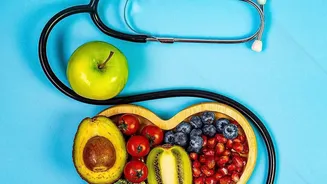
Instead of resorting to risky shortcuts, the best way to manage water retention is through sustainable lifestyle habits. Counterintuitively, one of the best strategies is to drink more water. A well-hydrated body is less likely to hold onto fluids because it learns it doesn't need to conserve every drop. Balancing your sodium intake by reducing processed foods is also key. Try to increase your consumption of potassium-rich foods like bananas, avocados, and spinach, as potassium helps counteract sodium's effects. Regular physical activity is another powerful tool; it improves circulation, helping your body move and excrete excess fluid more efficiently. Even managing stress and getting quality sleep can help regulate the hormones that control fluid balance.