


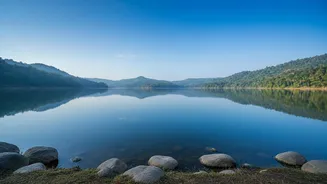

A Puzzle Buried in Mud
For centuries, the rhythm of the Indian Summer Monsoon has dictated the fortunes of millions. Understanding its past behaviour is crucial for predicting its future, especially in an era of rapid climate change. Scientists have long relied on clues from
marine sediments and ice cores to piece together this history. These sources suggested a relatively stable, if variable, monsoon over the past few thousand years. However, a different story was waiting to be told, buried not at the bottom of the ocean, but under the placid waters of a lake in central India.
New Clues from a Chhattisgarh Lake
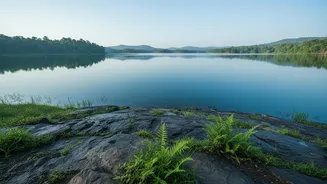
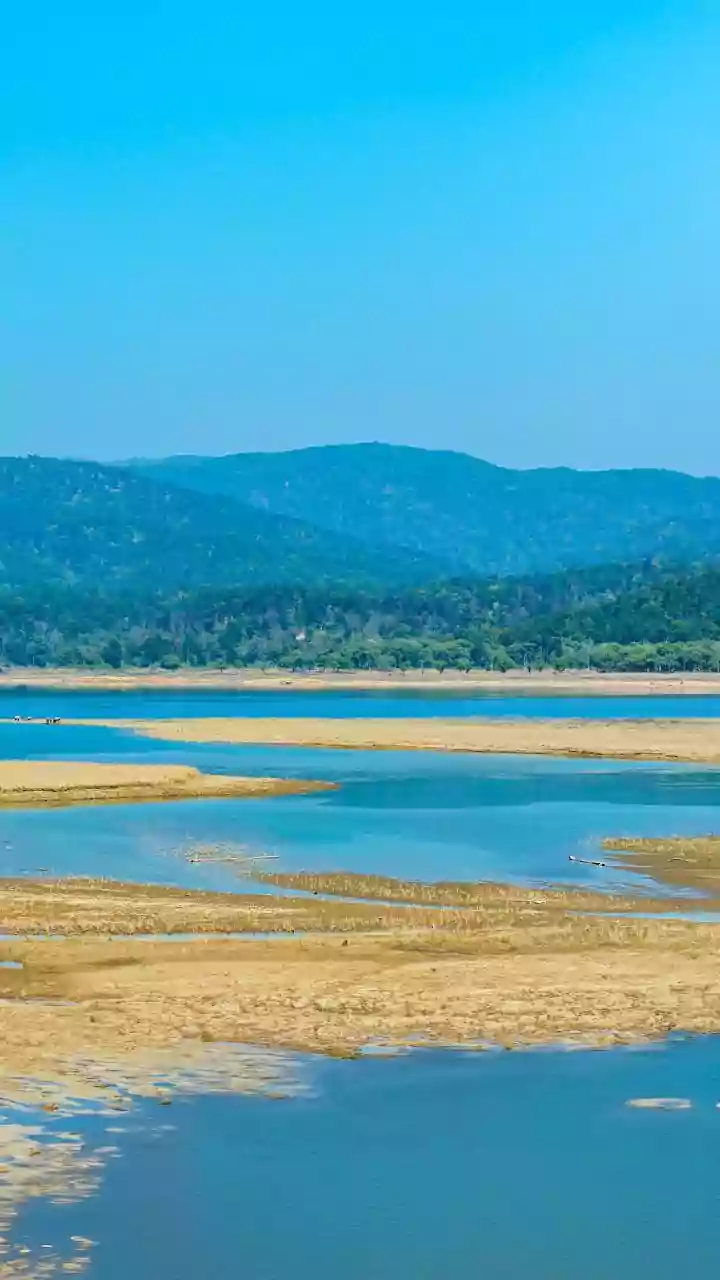
Scientists from the Birbal Sahni Institute of Palaeosciences (BSIP) in Lucknow turned their attention to the Raja Rani Lake in the Korba district of Chhattisgarh. This area lies in the heart of India's Core Monsoon Zone (CMZ), a region that receives the vast majority of the country's annual rainfall and is highly sensitive to monsoon fluctuations. By drilling into the lakebed and extracting a 40-centimetre-long sediment core, the researchers gained access to a natural archive of environmental history stretching back about 2,500 years. Unlike marine records which give a broad, regional picture, lake sediments provide a high-resolution snapshot of local and regional climate conditions on land.
What the Ancient Pollen Reveals
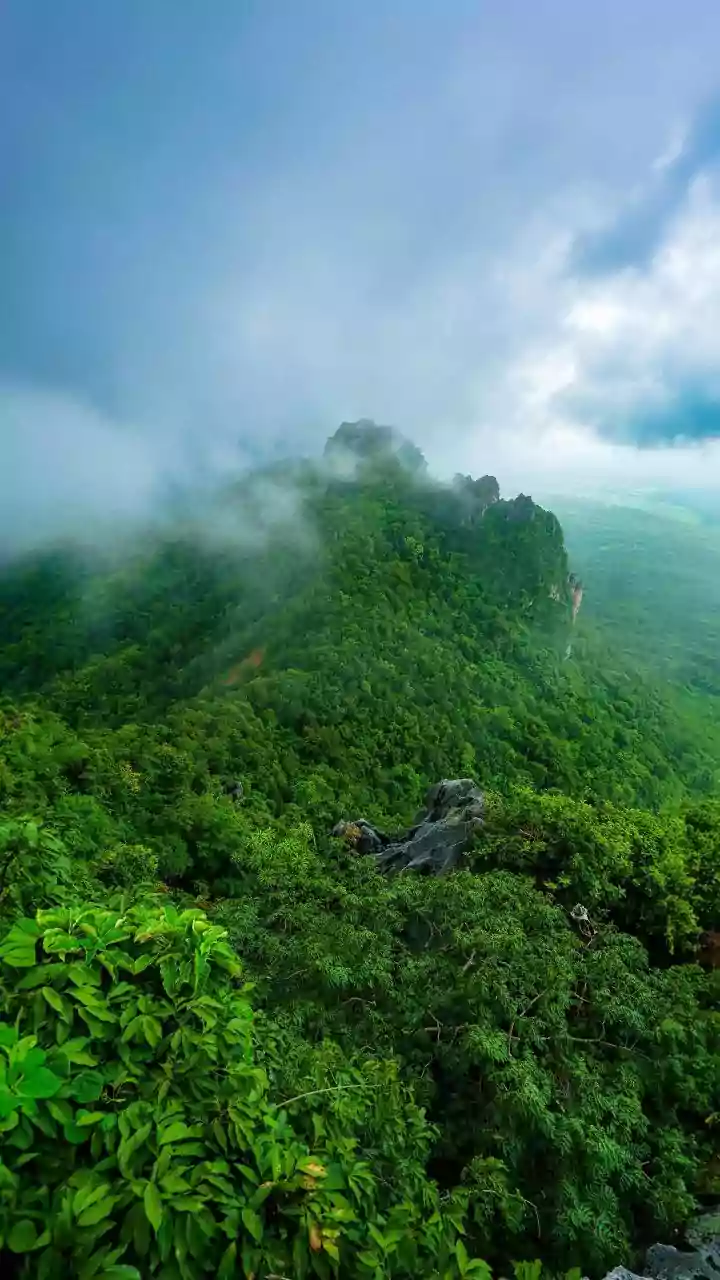
The key to unlocking this history lies in palynology—the study of microscopic pollen grains. As plants around the lake grew, flowered, and died, their pollen blew into the water and settled at the bottom, becoming trapped in layers of mud. By identifying the types of pollen in each layer, scientists can reconstruct the vegetation that once grew there. The BSIP team found that during a specific period, the pollen record was dominated by species from moist and dry tropical deciduous forests. The abundance of these forest-loving plants pointed to a consistently warm and humid climate with strong rainfall, challenging previous assumptions.
A Stronger Monsoon During a Warmer World
The study pinpoints a period of unusually strong and sustained monsoon activity roughly between 1060 and 1725 CE. This timeline coincides with a global warm phase known as the Medieval Climate Anomaly (MCA). The evidence from the Chhattisgarh lake suggests that during this warmer period, the Indian Summer Monsoon was significantly more intense than previously believed. Crucially, the pollen record shows no evidence of the prolonged dry spells during the MCA that some other climate records had suggested. This terrestrial data reframes the narrative, indicating that for central India, a warmer world once meant a wetter world, driven by factors like La Niña-like conditions and increased solar activity.
Why This Ancient History Matters Now
This revision of monsoon history isn't just an academic exercise. It has profound implications for our future. By providing a more accurate picture of how the monsoon system responded to past climate shifts, the study gives climate scientists invaluable data to improve their predictive models. If a warmer past led to a stronger, more intense monsoon, it forces us to reconsider what modern climate change might mean for India's rainfall patterns. Understanding the full range of the monsoon's natural variability is essential for developing effective strategies for water management, agriculture, and disaster preparedness in the decades to come.