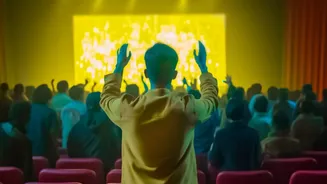






Remember when any new film was a good enough reason for a trip to the cinema? That era is fading. Today, the choice between the couch and a plush multiplex seat has been redefined, making one thing clear: the big screen must now offer a spectacle.
The Undeniable Pull of the Couch
The
game has fundamentally changed, and the biggest player is the streaming service in your pocket. With platforms like Netflix, Amazon Prime Video, and Disney+ Hotstar offering a vast library of films and exclusive series, the home has transformed into a formidable entertainment hub. The convenience is unbeatable: no travel, no queues, and the freedom to pause for a snack break. More importantly, the quality of content has skyrocketed. Stories that were once considered too niche or bold for a wide theatrical release now find a dedicated audience online. This has rewired audience expectations; if a movie doesn't promise an experience that is significantly better than what's available at home, most people are happy to wait for it to land on a streaming platform, often within just a few weeks of its theatrical run.
The Rising Cost of a Night Out
A trip to the cinema is no longer a casual expense; it's a calculated investment. In 2026, the cost for a couple to watch a major blockbuster in a metro city multiplex can be significant, factoring in tickets, booking fees, travel, and the almost obligatory popcorn and drinks. Average ticket prices at major chains can be around ₹259, but premium formats like IMAX or 4DX can push individual ticket costs much higher. When a family of four can spend thousands of rupees on a single outing, the question they ask is simple: 'Is it worth it?'. For the same price, one could subscribe to multiple OTT platforms for a year. This economic pressure forces audiences to be highly selective. They are reserving their theatrical spending for films that promise an undeniable return on investment in the form of a memorable, larger-than-life event.
What Exactly Is a 'Visual Spectacle'?
The term 'visual spectacle' goes far beyond just computer-generated imagery and explosions. It’s about creating an immersive, sensory experience that a home setup simply cannot replicate. This includes the pin-sharp clarity of an IMAX screen, the multi-dimensional audio of Dolby Atmos that makes you feel like you're in the scene, and the shared, communal gasp or laugh of a packed auditorium. These are films designed from the ground up for the theatrical environment. Think of the grand-scale action of 'Dhurandhar: The Revenge', which became one of the highest-grossing Indian films, or the breathtaking visuals of Hollywood epics. These movies don't just tell a story; they transport the audience. This is the unique selling proposition of modern cinema—an experience so powerful it justifies leaving the comfort of home.
The Squeezed Middle
If blockbusters are thriving, what about the rest? The rise of the 'spectacle film' has put immense pressure on mid-budget movies—the romantic comedies, slice-of-life dramas, and character-driven thrillers. These films, which were once the backbone of the weekly release schedule, now struggle to find a theatrical audience. The box office in recent years has become increasingly top-heavy, with a small number of massive tentpole films accounting for a disproportionate share of the revenue. This doesn't mean these stories aren't being told; they are simply migrating. Streaming platforms have become the natural home for such content, offering filmmakers a space for creative freedom without the immense pressure of opening-weekend box office numbers.
The Cinema Rebrands as an Event
The multiplex is no longer just a place to watch a movie; it's a destination for an event. The industry is adapting to this new reality by enhancing the premium nature of the theatrical visit. This includes investing in luxurious recliner seats, gourmet food and beverage options, and state-of-the-art projection and sound systems. The focus has shifted from high footfall to high value per visit. While overall admissions may be down from pre-pandemic levels, the audience that does show up is more intentional and willing to spend more for a premium experience. Theatrical releases are increasingly positioned as cultural events, driving a sense of urgency and a fear of missing out on the collective conversation.