





Beyond the Bill: Why Spending Isn't Everything
It’s a common belief that healthier food is always more expensive. While organic labels and imported superfoods can stretch a budget, the true foundation of a healthy Indian diet lies in variety and balance, which isn't always tied to cost. Studies show
that even as incomes rise, dietary habits don't automatically improve; sometimes, spending shifts to processed foods rather than more nutritious options. The real challenge is not just affording food, but navigating the choices available. Knowledge about what constitutes a healthy plate is far more powerful than simply spending more. Unhealthy diets are responsible for a significant portion of India's disease burden, making smart choices crucial.
What is Food Diversity?
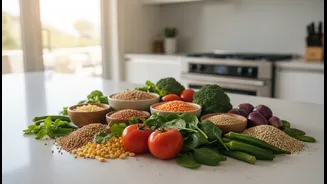
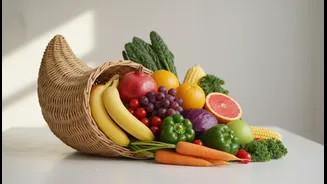
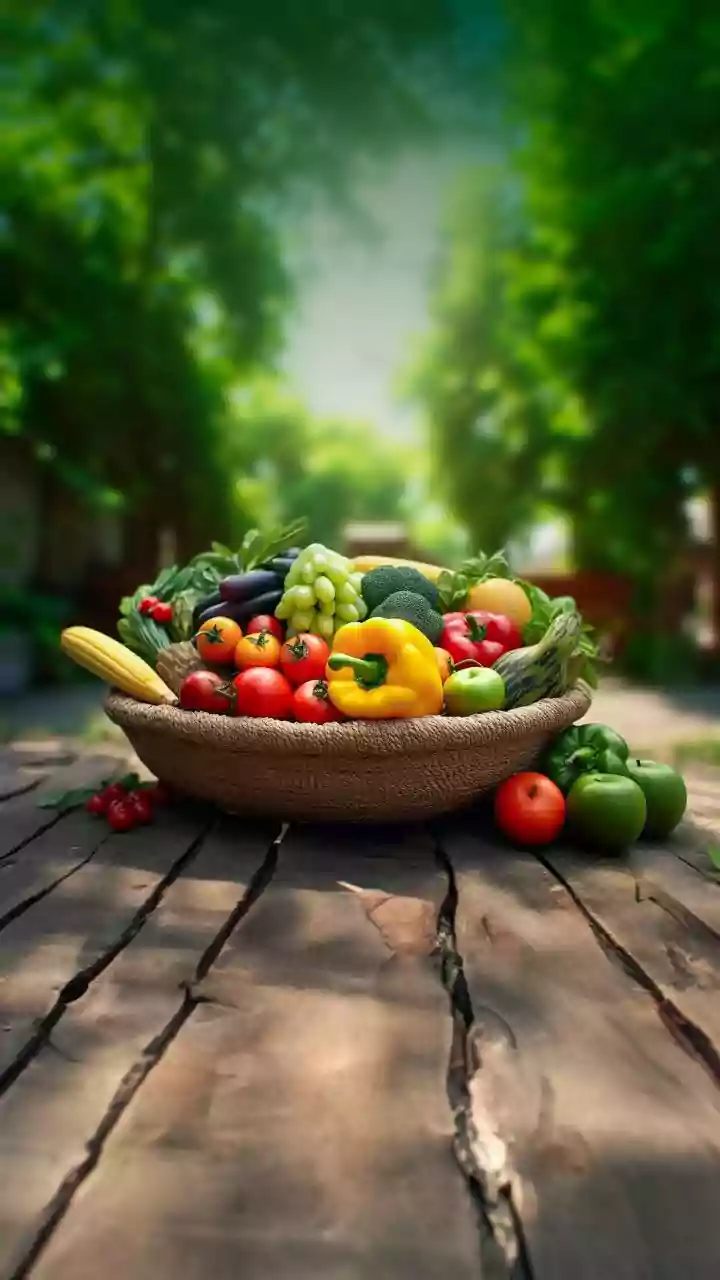
Food diversity, in simple terms, means eating a wide variety of foods across different food groups. Think of it as painting with a full palette of colours. The National Institute of Nutrition (NIN) and the Indian Council of Medical Research (ICMR) simplify this by classifying foods into key groups: cereals and millets; pulses and legumes; vegetables (including leafy greens and roots); fruits; and milk or animal-based foods, along with fats and nuts. A diverse diet is a strong indicator of nutrient adequacy. Unfortunately, many Indian diets are overly reliant on cereals, while falling short on fruits, vegetables, and proteins. The goal is to include something from each of these core groups in your meals daily to ensure you get a broad spectrum of essential nutrients.
From Diversity to Diet Quality
Diet quality takes the concept of diversity a step further. It’s not just about what food groups you eat, but also about the quality within those groups and overall balance. For example, choosing whole grains like millets or whole wheat over refined flour (maida) improves quality. It also means moderating intake of salt, sugar, and unhealthy fats, and limiting ultra-processed foods. The latest ICMR guidelines emphasize this shift, recommending that less than 45% of your daily calories come from cereals and a significant portion from vegetables, pulses, and fruits. A high-quality diet focuses on nutrient-dense foods over calorie-dense, processed options, which are increasingly contributing to health issues like obesity and diabetes.
Using the Internet for a Diet Check-up
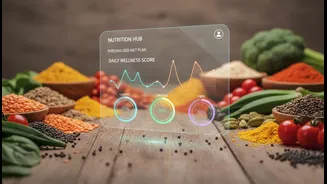
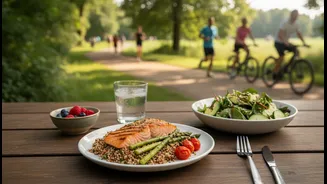
This is where internet access becomes a powerful tool for every household. You no longer need to guess about nutrition. Official resources like the ICMR-NIN's 'My Plate for the Day' are readily available online and offer a simple visual guide for a balanced meal. These guidelines recommend filling half your plate with vegetables and fruits, and the other half with cereals and protein sources. Furthermore, a growing number of free online calorie calculators and nutrition apps are now designed specifically for Indian foods, helping you track your intake of dals, rotis, and regional dishes with much greater accuracy. You can use these tools to see which food groups you might be missing and make informed adjustments.
Your Simple Self-Assessment Checklist
You can start assessing your diet quality right now with a few simple questions. Look back at your meals over the last day or week and ask yourself: Colour on my plate: Did I eat at least two to three different coloured vegetables today? Protein power: Was there a source of protein like dal, legumes, curd, paneer, eggs, or meat in my main meals? Fruit factor: Have I eaten a whole fruit at least once a day? Grain game: Am I choosing whole grains (like brown rice, millets, whole wheat atta) over refined ones for at least half of my cereal intake? * Snack check: How often did I reach for packaged, processed snacks versus whole foods like nuts or fruit? This simple recall method, similar to what nutritionists use, can offer quick insights into the diversity and quality of your diet without needing complex tools.