







Know When It's Time
Before you get your hands dirty, it's important to know if your plant actually needs a new home. Repotting at the wrong time can cause unnecessary stress. Look for a few key signs that your plant has outgrown its current pot. Are roots growing out of
the drainage holes at the bottom? Or perhaps you see them circling the surface of the soil. Another major clue is how quickly the soil dries out; if you feel like you're watering constantly, the pot is likely full of roots with little soil left to hold moisture. Stalled or stunted growth, especially during the spring and summer growing season, is also a classic indicator that your plant is root-bound and needs more space to thrive. The best time to repot is typically in the spring, as plants enter their active growth phase.
Gather Your Supplies
A little preparation makes the entire process smooth and stress-free for both you and your plant. You don’t need much, but having the right tools on hand is essential. First, you'll need a new pot. Choose one that is just one to two inches wider in diameter than the current one. You will also need fresh potting mix appropriate for your specific plant. A small trowel or even just your hands will work for handling the soil. It's also a good idea to lay down some newspaper or a plastic tray to contain the mess, making cleanup much easier. Finally, have a pair of clean, sharp scissors or pruning shears ready in case you need to trim any damaged or circling roots.
Choosing the Right Pot and Soil
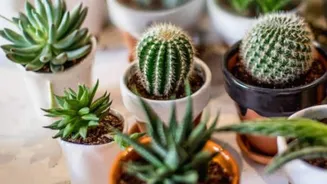
The pot and soil you choose can make all the difference. When selecting a new pot, resist the temptation to go too big. A pot that's excessively large holds too much soil, which in turn retains excess moisture and can lead to root rot. The golden rule is to only go up one size, about 1-2 inches larger in diameter than the old pot. Most importantly, ensure the new pot has drainage holes. Without them, water will pool at the bottom, suffocating the roots. When it comes to soil, not all mixes are created equal. All-purpose potting mix is a good start, but many plants have specific needs. Cacti and succulents, for example, require a sandy, fast-draining mix, while tropical plants often prefer a mix rich in organic matter like peat or coco coir to retain some moisture. Check your plant's specific requirements before you buy.
A Step-by-Step Guide to Repotting
With your supplies ready, it's time to get started. First, water your plant a day or two before repotting. This helps reduce stress on the plant and makes it easier to remove from the pot. To remove the plant, turn the pot on its side and gently tap the bottom while holding the base of the plant. Once it's free, gently massage the root ball to loosen the old soil and expose the roots. If you see long roots circling the bottom, carefully unwind them or make a few vertical cuts with your shears to encourage outward growth. Place a layer of fresh potting mix in the bottom of the new pot and set your plant inside. The top of the root ball should sit at the same level it was in the old pot—don't plant it deeper. Fill in the sides with more fresh soil, gently packing it down to eliminate air pockets, but don't compact it too tightly.
Essential Aftercare for a Happy Plant
Your plant’s journey isn’t over once it’s in the new pot. Proper aftercare is crucial for helping it recover from the stress of the move, known as transplant shock. Immediately after repotting, give the plant a thorough watering until you see it run out of the drainage holes. This helps the new soil settle around the roots. Then, place the plant back in its usual spot with the same light conditions. Don't be alarmed if you see a bit of wilting or a dropped leaf in the first couple of weeks; this is a normal part of the adjustment period. Most importantly, hold off on fertilizing. Fresh potting mix is full of nutrients, and adding more can stress the delicate, recovering roots. Wait until you see clear signs of new growth, which could take a few weeks to a couple of months, before you resume your normal feeding schedule.