





The Flaw in Alphabetical Order
For generations, the default method for organizing spices has been alphabetical. It seems logical, clean, and orderly. However, in practice, it’s often inefficient. When you're making an Indian curry, your turmeric, cumin, and coriander are scattered
across the shelf. An alphabetical system separates spices that are culinary companions, forcing you to hunt and gather every time you cook. This method prioritizes library-like tidiness over kitchen functionality, creating a system that looks perfect but doesn't serve the cook. The goal of organization should be to make life easier, and when it comes to cooking, that means having what you need at your fingertips.
A New Philosophy: Grouping by Function
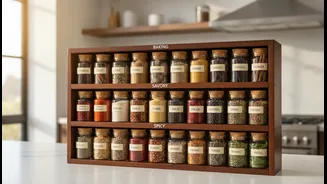
The alternative is simple and revolutionary: organize your spices by how you actually use them. This intuitive approach groups ingredients together based on cuisine, flavor profile, or frequency of use. Think of it as creating little 'kits' for your favorite meals. When it's time to make pasta, you can grab your entire "Italian" spice basket. This method transforms your collection from a static library into a dynamic culinary toolkit. It streamlines the cooking process, saves precious time, and might even inspire you to experiment with new flavor combinations by seeing related spices grouped together.
How to Create Your Categories
The first step is to take everything out of your cabinet and assess what you have. Check expiration dates—whole spices last longer than ground ones—and discard anything that has lost its aroma. Now for the fun part: creating your categories. There’s no single right way to do this; it depends entirely on your cooking style. You might create groups based on cuisine, such as "Mexican" (chili powder, cumin, oregano), "Indian" (turmeric, garam masala, coriander), and "European" (rosemary, thyme, basil). Another popular method is grouping by function: "Baking Spices" (cinnamon, nutmeg, cloves), "Grilling Blends," and "Everyday Essentials" (salt, pepper, garlic powder). Keep the spices you use most frequently in the most accessible spot.
Finding the Right Storage Solution
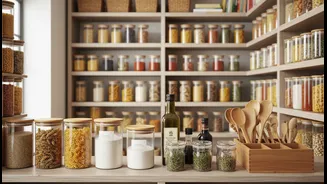
Your new system needs a physical home that works with it. If you have a spare drawer near your stove, angled inserts that let you see all the labels are considered by many to be the gold standard. For cabinet storage, tiered shelf risers act like stadium seating for your jars, ensuring nothing gets lost in the back. Pull-out racks are another excellent option, maximizing vertical space and bringing every spice into view. If you're short on space, consider wall-mounted racks or magnetic tins that can live on your refrigerator. Many people find using uniform jars creates a cleaner look and makes stacking easier, but it's not a requirement for the system to work. The key is choosing a solution that lets you see your categories at a glance.
Labeling for Long-Term Success
A great organization system can quickly fall apart without proper labeling. If you’ve decanted your spices into new jars, clear and legible labels are a must. You can buy pre-printed minimalist labels or make your own. For drawer systems, labeling the lids of the jars is essential for a top-down view. If you're using bins or baskets to contain your categories, label the front of each bin. Some even suggest writing the expiration date on the bottom of the jar with a chalk marker to keep track of freshness without cluttering the main label. This final touch is what makes the system sustainable, ensuring you can find exactly what you need in seconds.