


A Return to Roots
For thousands of years, hardy grains known in Tamil as 'Siruthaniyam' (small grains) were staples across the region. Cultivated for over 3,000 years, they were perfectly suited to the local climate, requiring minimal water and thriving in conditions where
other crops might fail. However, with the agricultural shifts of the Green Revolution, polished rice and wheat became more widespread, pushing millets into the background. Today, a growing awareness of health, wellness, and sustainability is sparking a renaissance. Families and chefs are rediscovering the wisdom of their ancestors, realising that these grains are not just relics of the past but are key to a healthier future.
The Stars of the Southern Plate
Several types of millets feature prominently in Tamil cuisine. Kambu (pearl millet) is a powerhouse of iron and phosphorus. Ragi (finger millet) is famously rich in calcium, making it vital for bone health. Thinai (foxtail millet) is lauded for being high in iron and fibre, while Varagu (kodo millet) is packed with antioxidants. Other important varieties include Samai (little millet) and Kuthiravali (barnyard millet), each with a unique texture and nutritional profile. These grains are not treated as a monolithic group; cooks choose a specific millet for its distinct properties, whether it's the earthy flavour of Ragi or the light, fluffy texture of Samai.
From Humble Porridge to Hearty Meals
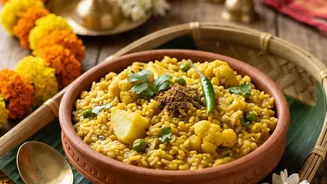
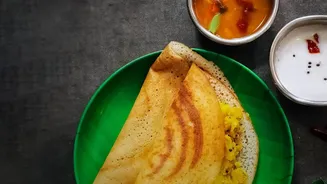
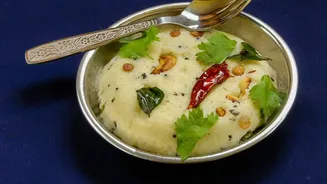
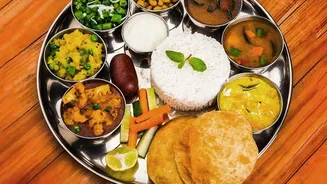
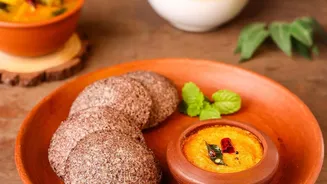
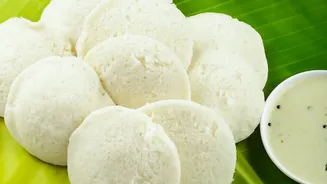
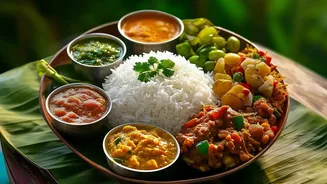
The versatility of millets is showcased in the sheer variety of dishes made from them. A classic breakfast is 'Koozh', a fermented porridge often made with Kambu or Ragi, which is both cooling and deeply nourishing. For a heartier meal, you'll find millet-based versions of beloved staples like dosa and idli. Kambu dosai offers a nutty flavour and a crisp texture, while Ragi idlis are soft and packed with nutrients. Dishes like Thinai Pongal swap out rice for foxtail millet, creating a lighter but equally comforting dish seasoned with pepper and cumin. You'll also find Samai Upma, Varagu lemon rice, and even biryanis made with these wholesome grains, proving they can be adapted to almost any recipe.
The Wholesome Wisdom of Millets
The term 'wholesome' perfectly captures the essence of a millet-based diet. These grains are nutritional powerhouses. Being naturally gluten-free, they are an excellent choice for those with sensitivities. Their high fibre content aids digestion and promotes a feeling of fullness, which can help with weight management. Furthermore, millets have a low glycemic index, meaning they release sugar into the bloodstream more slowly than polished rice. This makes them particularly beneficial for managing blood sugar levels and is one of the main reasons for their comeback in health-conscious households. Rich in essential minerals like iron, calcium, magnesium, and zinc, they help combat deficiencies and support overall well-being.
The Modern Tamil Kitchen
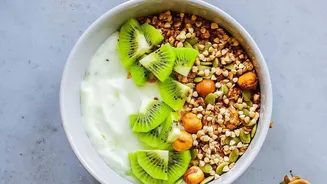
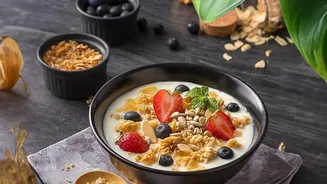
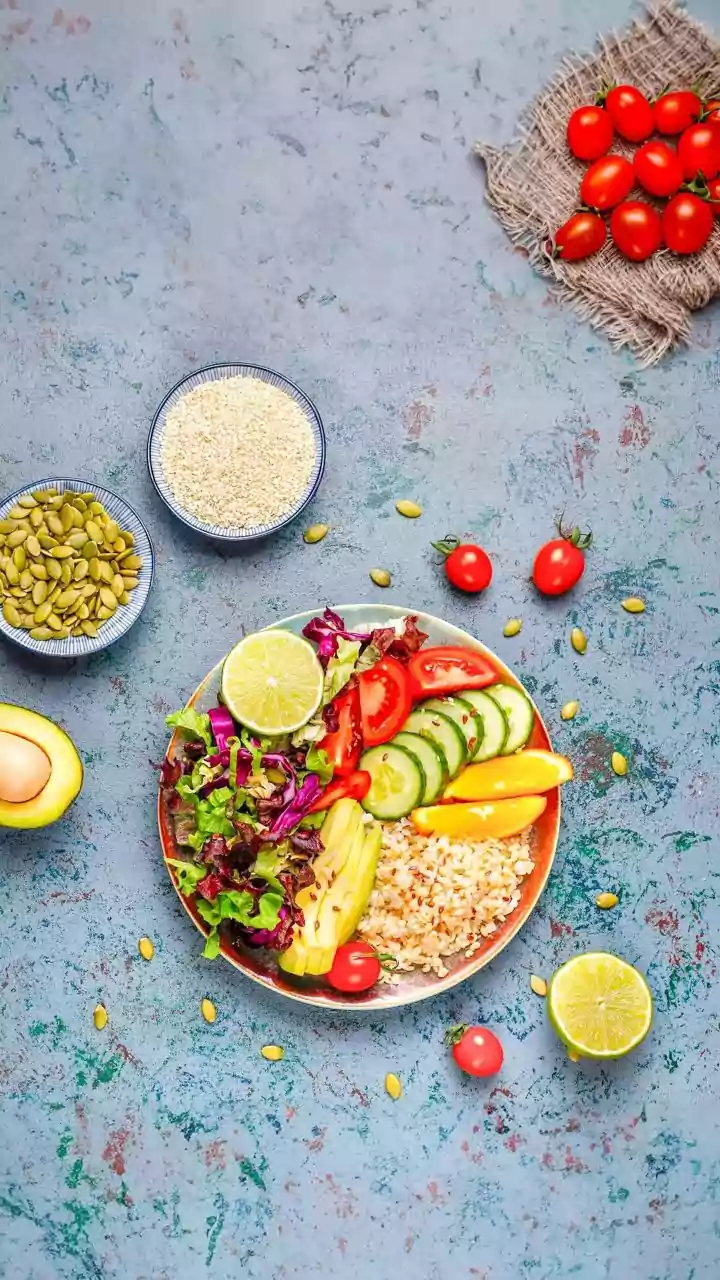
The revival isn't just about recreating old recipes; it's also about innovation. Modern home cooks and chefs are finding creative ways to incorporate millets into contemporary dishes. You might find ragi in brownies, thinai in salads, or samai used as a base for an elegant mousse. This fusion of old and new ensures that the tradition doesn't just survive but evolves. Food companies are also making it easier for busy families to embrace these grains by offering millet-based flours, breakfast mixes, and ready-to-cook products that fit into modern lifestyles. This blend of convenience and tradition is making millets more accessible than ever, moving them from a forgotten food to a celebrated staple of the modern Indian kitchen.