






The Evolution of Glass Skin
First popularised by the K-beauty wave, 'glass skin' once conjured images of a poreless, almost transparently luminous complexion. The pursuit often involved intricate, multi-step routines, including aggressive exfoliation, that aimed to polish the skin’s
surface into submission. While the goal was a beautiful glow, the methods could sometimes lead to sensitivity and irritation. The 2026 reboot of the trend is different. It redefines glass skin not as a superficial aesthetic, but as the visible result of profoundly healthy, hydrated, and resilient skin. The new ideal is less about a flawless mirror-like shine and more about a supple, calm, and well-cared-for complexion that glows from within. It’s a shift from forcing the skin to look good to helping it be genuinely healthy.
Meet Your Skin's Bodyguard: The Barrier
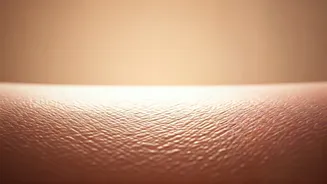
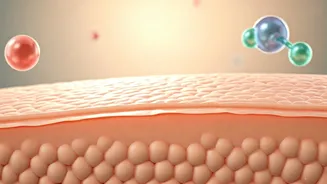
The secret to this new-age glass skin is understanding and nurturing your skin barrier. Think of it as a diligent security guard for your skin. Scientifically known as the stratum corneum, it’s the outermost layer of your skin. It has a 'brick-and-mortar' structure. The 'bricks' are tough, flattened skin cells called corneocytes. The 'mortar' holding them together is a lipid mixture of ceramides, cholesterol, and fatty acids. This tightly-knit wall has two critical jobs: it keeps essential water locked in to maintain hydration, and it keeps harmful elements like pollution, UV radiation, and irritants out. When your barrier is strong and intact, your skin looks and feels smooth, soft, and calm. When it's damaged, it can no longer perform these functions effectively.
Signs of a Compromised Barrier
How do you know if your skin's security guard has been overwhelmed? A compromised barrier can’t effectively hold onto moisture or defend against external threats, leading to a host of issues. Common signs include increased dryness, flakiness, and a persistent feeling of tightness, even after moisturising. Your skin might become more sensitive, reacting to products that it previously tolerated. Redness, itchiness, and inflammation are also tell-tale signs. For Indian skin tones, barrier damage can often manifest first as dullness and uneven pigmentation long before fine lines appear, making its health crucial for achieving an even-toned glow. These symptoms are your skin’s way of sending an SOS, signalling that its protective layer needs support and repair.
The Hero Ingredients for Barrier Repair
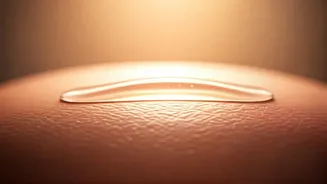
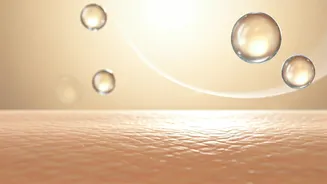
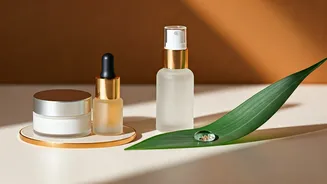
The good news is that you can actively support and rebuild your skin barrier. The winning strategy involves simplifying your routine and focusing on ingredients that replenish what has been lost. Ceramides are non-negotiable; they are the key lipids that literally fill in the cracks in your barrier's 'mortar.' Hyaluronic Acid is a powerful humectant that acts like a moisture magnet, drawing water into the skin to keep it plump and hydrated. Niacinamide, a form of Vitamin B3, is another superstar. It not only reduces inflammation and redness but also encourages the skin to produce its own ceramides, strengthening the barrier from within. Other beneficial ingredients include soothing panthenol (pro-vitamin B5), hydrating glycerin, and lightweight squalane, which helps lock in moisture.
Your Barrier-First Action Plan
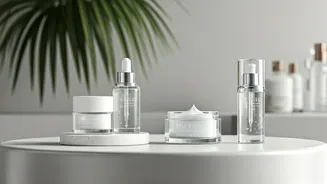
Ready to put barrier care into practice? It’s simpler than you think. Start by being gentle. Swap harsh, stripping cleansers for mild, hydrating formulas that don't leave your skin feeling tight. Put a temporary pause on strong exfoliants, especially physical scrubs and high-concentration acids, to give your skin time to heal. Instead, focus on layering hydration. Apply serums with hyaluronic acid or niacinamide to damp skin, followed by a moisturiser rich in ceramides to lock everything in. And finally, the most crucial step for every single day is applying a broad-spectrum sunscreen with at least SPF 30. Sun exposure is one of the biggest culprits of barrier damage, and no repair routine can be successful without diligent protection.