






The UPI and Credit Card Revolution
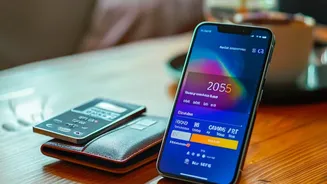
For years, UPI payments were directly linked to your bank account, offering convenience but zero rewards. That has changed. Now, you can link select credit cards to your UPI apps like Google Pay, PhonePe, and Paytm. This is a game-changer because every
time you scan a QR code to pay a merchant, you're not just spending—you're earning. The transaction is processed through your credit card, allowing you to accumulate reward points, enjoy interest-free credit periods, and benefit from milestone bonuses, just like a regular card swipe. This innovation, currently exclusive to RuPay credit cards, transforms mundane expenses into a powerful tool for accumulating points.
Getting Started: Linking Your Card to UPI
The setup process is surprisingly simple and takes only a few minutes. First, ensure you have a RuPay credit card, as currently only this network is enabled for UPI linkage. Open your preferred UPI app (like PhonePe, Google Pay, or Paytm) and navigate to the payment settings or profile section. Look for an option like 'Add Credit Card' or 'Link RuPay Credit Card'. Select your card's issuing bank from the list, and the app will automatically fetch your card details. Finally, you'll set a new UPI PIN specifically for your credit card transactions. This PIN will be used to authorise all future payments made via the linked card.
Choosing the Right Card for Maximum Rewards
Not all RuPay credit cards are created equal when it comes to UPI rewards. The key is to find a card whose reward structure aligns with your spending habits. Some cards offer a flat cashback rate on all UPI spends, which is great for simplicity. For example, some cards may offer a straightforward 1% to 2% value back on eligible UPI payments. Others provide accelerated rewards on specific categories like groceries, dining, or utility bills. For instance, the Tata Neu Infinity HDFC Bank Credit Card offers 1.5% back as NeuCoins on UPI payments made via the Tata Neu app, which is beneficial for those who frequent Tata brands. Similarly, other cards might focus on milestone benefits or travel-specific perks. Before choosing, check the reward rate, any monthly capping on points, and excluded categories to ensure it’s the right fit for your lifestyle.
From Points to Planes: The Redemption Strategy
Accumulating points is only half the battle; the real value lies in smart redemption. The most aspirational goal is converting points into flights and hotel stays. There are two primary ways to do this. The first is booking directly through your bank's dedicated travel portal, where points have a fixed monetary value. This is convenient for occasional travellers. The second, and often more valuable method, is transferring your credit card points to airline frequent flyer programs (like Vistara's Club Vistara or Singapore Airlines' KrisFlyer) or hotel loyalty programs. While this requires a bit more research to find the best transfer ratios and award availability, it can yield significantly higher value, potentially turning your points into a business class ticket that would otherwise cost a fortune. For domestic travel, a return flight could be redeemed for as few as 10,000 points.
Pro Tips for Success
To truly make this system work, discipline is key. First, always pay your credit card bill in full and on time to avoid interest charges that would negate any rewards earned. Second, be aware of any fees. While person-to-person UPI transfers remain free, merchants may be charged an interchange fee for credit card UPI transactions, which some could pass on to you. Channel all possible merchant payments—from your local kirana store to online shopping—through your UPI-linked credit card to maximize accumulation. Also, keep an eye out for special bonus offers and festive campaigns from your bank, which can multiply your earnings.