Start with the Bed
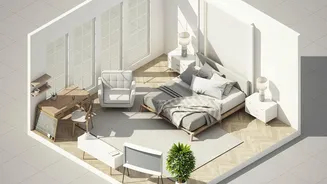
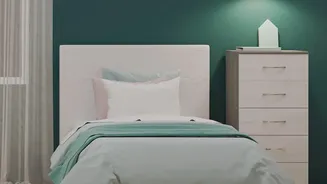
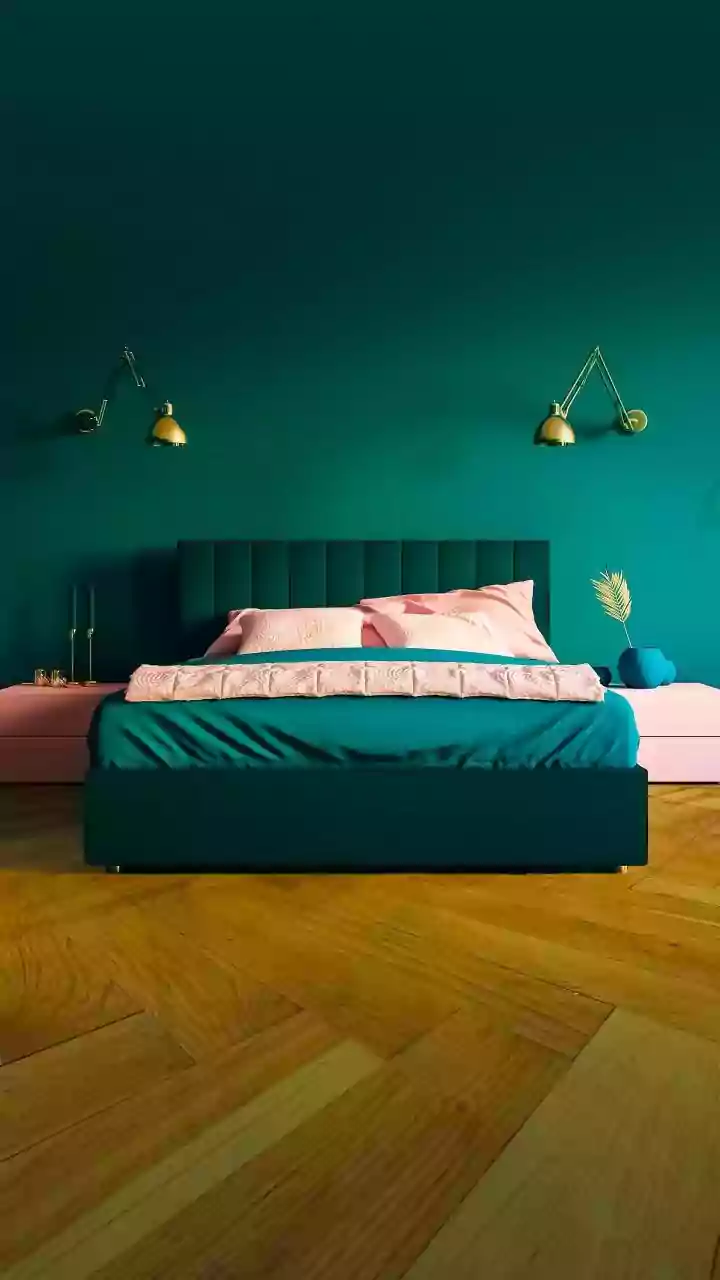
The bed is the largest piece of furniture, so its placement dictates the entire room's flow. The most common and effective strategy is to centre the bed on the wall opposite the door. This creates a sense of symmetry and a clear focal point upon entering.
While it may seem counterintuitive, pushing the bed into a corner can sometimes make a room feel smaller and more awkward. By centering it, you allow for walking space on both sides, which contributes to a more open feel. If the room is extremely narrow, placing the bed against the wall on one side is a practical alternative that frees up a longer stretch of floor space.
Choose Multi-Functional Furniture
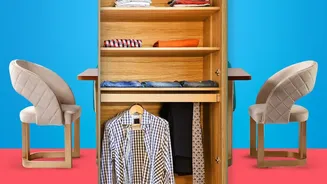
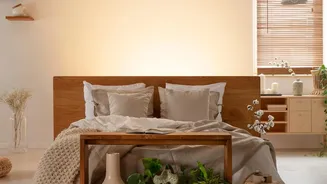
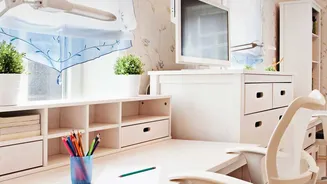
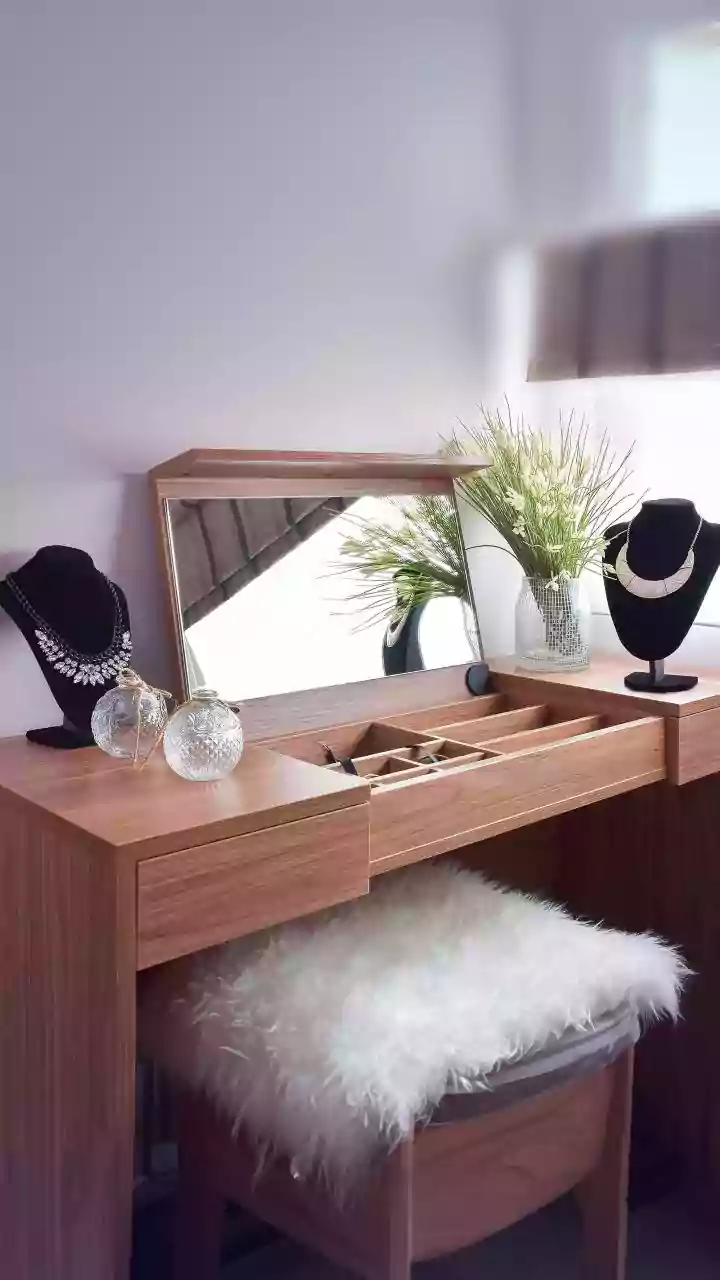
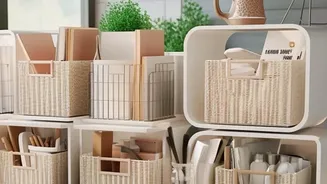
In a tiny room, every piece of furniture should earn its keep. Look for items that serve more than one purpose to maximize utility without adding bulk. A bed with built-in drawers underneath is a perfect example, offering significant storage for out-of-season clothing or extra linens. A storage ottoman at the foot of the bed can hide blankets while also providing seating. Instead of a separate vanity and desk, find a slim table that can function as both. These dual-purpose pieces are essential for reducing the total number of items in the room, which is a primary step in cutting down on visual clutter.
Go Vertical with Storage
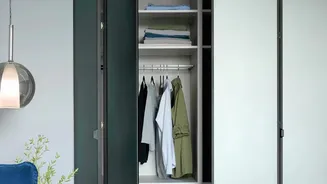
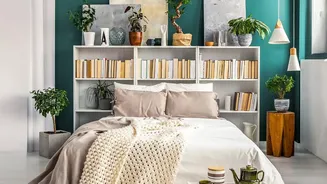
When floor space is limited, the only way to go is up. Utilizing your walls is one of the most effective strategies for adding storage without making the room feel cramped. Instead of a wide, low dresser, opt for a taller, narrower one that draws the eye upward. Install floating shelves above your desk or bed to hold books, plants, and decor. This keeps surfaces clear and frees up valuable floor space. Floor-to-ceiling shelving units can also be a game-changer, turning an entire wall into a high-capacity storage area that feels intentional rather than cluttered.
Create Illusions of Space
You can't physically enlarge your room, but you can trick the eye into perceiving it as bigger. Mirrors are a classic tool for this; placing a large mirror opposite a window will bounce light around the room, making it feel brighter and more open. Furniture with visible legs—like a mid-century modern nightstand or a slim-profile desk—creates a sense of airiness by allowing you to see the floor underneath. This 'negative space' prevents the room from feeling weighed down by heavy, solid blocks of furniture. Even your curtains can help: hang them high and wide, close to the ceiling and extending beyond the window frame, to give the illusion of taller ceilings and a larger window.
Declutter Your Surfaces
A good layout can be undone by surface clutter. Your bedroom should be a sanctuary for rest, and visual noise can contribute to feelings of anxiety. Start by clearing everything off your nightstands except the absolute essentials: a lamp, a book, and perhaps a small dish for jewellery. The same goes for your dresser. Avoid the temptation to use it as a drop zone for mail, keys, and loose change. A 'clothes chair' is another common clutter magnet; replace it with a designated hamper kept inside a closet to keep stray laundry out of sight. The goal is to create calm, clear surfaces that allow your mind to rest.
Stick to a Cohesive Palette
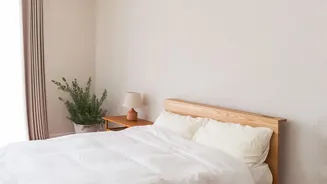
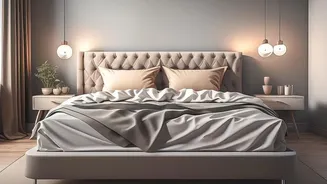
Visual clutter isn't just about the quantity of items, but also their variety. A chaotic mix of colours and patterns can make a small space feel busy and disjointed. Opt for a simple, cohesive colour palette to create a more serene and unified look. Light, neutral tones like soft whites, pale greys, and warm beiges are known to reflect light and make a space feel larger and more open. This doesn't mean the room has to be boring. You can introduce texture and a few accent colours through your bedding, pillows, and a single piece of artwork to add personality without overwhelming the space.