




The Festive Flower Duo
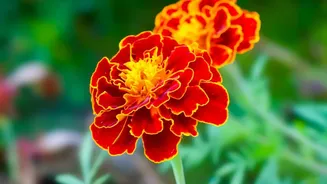
Marigolds (Genda) and Chrysanthemums (Guldaudi) are central to Indian celebrations. Their vibrant orange, yellow, and white hues symbolise prosperity, happiness, and purity. Marigolds are used extensively in garlands and decorations for pujas, while chrysanthemums
are cherished for their long-lasting, intricate blooms that brighten up homes. Growing your own not only ensures a fresh, organic supply for rituals and decor but also connects you to a timeless tradition. This October, the post-monsoon weather provides an ideal climate for these flowers to thrive, rewarding you with a balcony full of colour just in time for the festivities.
Choosing Pots and Your Sunny Spot
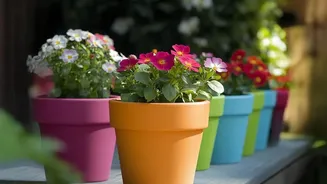
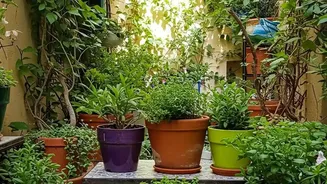
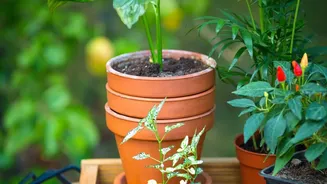
Both marigolds and chrysanthemums are sun-loving plants, so the first step is to identify the sunniest spot on your balcony. They need at least five to six hours of direct sunlight each day to produce abundant flowers. A south or west-facing balcony is often ideal. When it comes to pots, drainage is non-negotiable. Terracotta pots are an excellent choice as their porous nature allows soil to breathe and prevents waterlogging. For marigolds, a pot that is 6-10 inches deep is sufficient, while chrysanthemums benefit from slightly larger containers to accommodate their root systems. Ensure every pot has at least one drainage hole at the bottom.
The Perfect Potting Mix
Store-bought potting soil is a good start, but creating your own custom mix will give your festive flowers the best foundation. A successful formula ensures both nutrition and excellent drainage. For a reliable homemade mix, combine equal parts of garden soil, compost (or well-rotted cow dung manure), and a material that improves drainage like cocopeat or sand. Garden soil provides the base, compost delivers essential slow-release nutrients, and cocopeat or sand keeps the mix light and airy, preventing roots from rotting. For chrysanthemums, you can use a mix of 40% garden soil and 30% organic compost for a nutrient-rich base. This balanced blend helps retain adequate moisture without becoming waterlogged.
Planting Your Marigolds
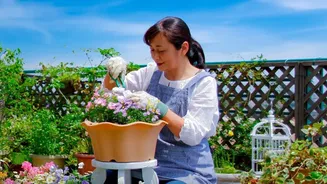
Marigolds are famously easy to grow, making them perfect for beginners. You can start from seeds or, for faster results, purchase small saplings from a local nursery. If planting seeds, sow them about half a centimetre deep and cover lightly with soil. If you are using saplings, dig a hole in your prepared pot, gently remove the plant from its nursery bag, and place it in the hole, ensuring it is at the same depth as it was before. Backfill with your potting mix and press down gently to remove air pockets. Water the pot thoroughly after planting until you see water draining from the bottom.
Planting Your Chrysanthemums
Chrysanthemums, or 'mums', can be planted similarly. If you've bought a potted plant, you may want to repot it into a larger container with your fresh soil mix. Gently remove the plant from its original pot, being careful not to damage the root ball. Place it in the new pot, ensuring the top of the root ball sits about an inch below the rim. Fill the surrounding space with your potting mix and water deeply. These plants are often called 'short-day' plants, meaning they require longer periods of darkness to set buds, a condition naturally met during the autumn months.
Watering, Feeding, and Care
The golden rule for watering is to check the soil first. Water your plants only when the top inch of soil feels dry to the touch. Then, water deeply until it drains from the bottom. Avoid letting the pots sit in saucers full of water, as this can lead to root rot. To encourage bushier growth and more flowers, a practice called 'pinching' is beneficial. Once your marigold and chrysanthemum plants are a few inches tall, simply pinch off the very top set of leaves. This encourages the plant to branch out. Also, regularly removing spent or dead flowers, known as 'deadheading', redirects the plant's energy into producing new blooms.