






The Rise of the Cold Brew
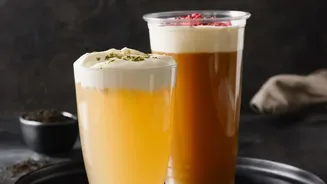
Across India's bustling cities, a new kind of tea is capturing the imagination of health-conscious consumers: the cold brew. Unlike conventional iced tea, which is typically brewed hot and then cooled, often with a generous helping of sugar, cold brewing
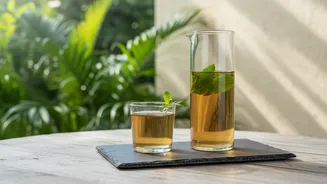
involves steeping tea leaves in cold water for several hours. This slow, patient process results in a beverage that is smoother, less bitter, and naturally sweeter, allowing the nuanced flavours of the tea leaves to shine through. This method is gaining popularity as it preserves the delicate aromatic compounds of the tea while extracting less of the tannins that can cause bitterness. Urban millennials and Gen Z consumers, in particular, are driving this trend, drawn to its refined taste and sophisticated image.
A Nationwide Move Away From Sugar
This trend is part of a much larger national story: India is becoming more mindful about sugar. Growing awareness around health and wellness, coupled with rising concerns about lifestyle diseases like diabetes, has led many Indians to actively reduce their sugar intake. The beverage market is responding in a big way, with sales of zero and low-sugar drinks reaching a five-year peak in 2025. This shift has created a fertile ground for alternatives like unsweetened cold brews and botanical infusions, which offer flavour and refreshment without the calorie load of traditional sodas and packaged iced teas. Consumers are not just giving things up; they are actively seeking healthier, more natural alternatives.
Exploring a World of Botanical Infusions
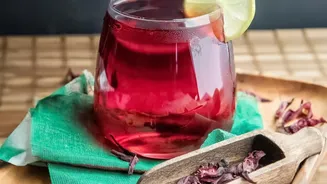
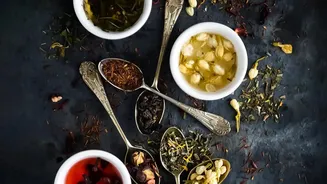
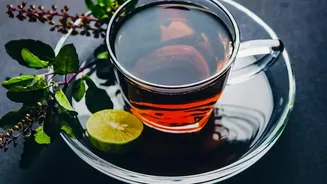
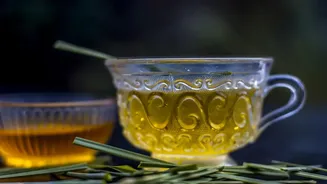
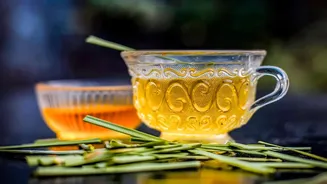
It's not just about cold tea; it's about what goes into it. The new wave of beverages is rich with botanical and herbal ingredients. Cafes and artisanal brands are experimenting with a vibrant palette of flowers, herbs, and spices, creating infusions that are as beautiful as they are flavourful. Ingredients like hibiscus, chamomile, lavender, lemongrass, and butterfly pea flower are becoming increasingly common. These botanical infusions, often called tisanes, are naturally caffeine-free and are prized for their perceived wellness benefits, from calming and relaxation to providing antioxidants. This move towards functional beverages—drinks that offer health benefits beyond simple hydration—is a defining feature of the modern Indian beverage market.
Artisanal Brands and Cafes Lead the Charge
While large companies are adapting, much of this innovation is being driven by a new crop of artisanal tea brands and savvy cafe owners. Brands like Sancha Tea, Tea Trunk, and The Hillcart Tales have been championing high-quality leaves and creative blends for years, creating a foundation for this trend. They are now being joined by countless local cafes that brew their own unique cold infusions, often highlighting local ingredients and seasonal flavours. These smaller players are agile, creative, and deeply connected to their customers' evolving tastes, offering customizable and experiential drinks that large-scale commercial brands struggle to replicate. The rise of e-commerce and quick commerce has also made it easier for consumers to discover and access these niche products.