





The colossal, cellophane-wrapped festive hamper, once the undisputed king of Indian gifting, is facing a quiet rebellion. A shift in values is underway, as consumers increasingly favour gifts that are practical, personal, and sustainable.
From Conspicuous to Conscious
For years, the
size of a festive hamper was a direct measure of the sentiment behind it—or at least, the budget. Packed with a miscellany of cookies, imported chocolates, and assorted dry fruits, these baskets were about making a grand gesture. Today, that grandeur is being questioned. A growing number of Indian consumers, particularly younger millennials and Gen Z, are driving a shift from conspicuous consumption to conscious consumption. The focus is no longer on how much a gift costs, but on the thought behind it. This change is reflected in broader spending habits, where even traditional purchases like gold are becoming more considered, with buyers opting for smaller coins over large ornamental sets. The new festive mantra is about thoughtfulness, and a generic, mass-produced hamper often feels anything but.
The Rise of the Useful Gift
A key driver of this trend is the simple question: ‘Will this actually be used?’. Recipients are growing tired of gifts that gather dust or food items that don't align with their tastes. The new-age gift-giver understands that practicality is a form of thoughtfulness. Instead of a dozen small, forgettable items, many now prefer to give one high-quality, useful product. This could be a set of artisanal spices for a home chef, a subscription to a streaming service, a smart home device, or a premium wellness product. Even within hampers, the curation is becoming more intentional, focusing on a theme like gourmet coffee, artisanal cheese, or wellness teas. The goal is to give something that seamlessly integrates into the recipient's life, offering value long after the festive season ends.
Sustainability Is the New Luxury
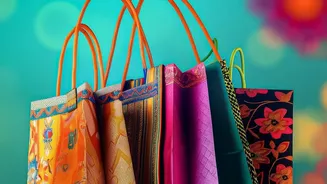
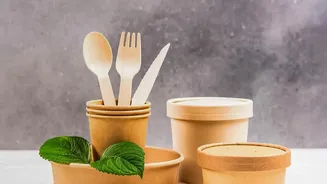
Environmental awareness has firmly entered the gifting arena. Consumers are increasingly aware of the waste generated by excessive packaging—the plastic wrappers, synthetic ribbons, and thermocol fillers that are a hallmark of traditional hampers. As a result, sustainable gifting has evolved from a niche interest into a mainstream movement, with reports indicating that a large majority of urban consumers now prefer eco-friendly products. This has spurred a boom in green alternatives: gifts made from recycled or biodegradable materials, plantable stationery, and products from local artisans. Brands are responding by offering items like handwoven baskets, organic cotton textiles, and candles in upcycled jars, all of which tell a story of environmental responsibility.
Personalisation Trumps Price
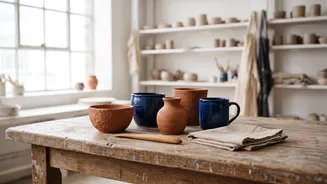
In an era of mass production, a personalised gift feels special and intentional. The modern consumer understands that a gift customised to the recipient’s tastes or needs speaks volumes more than an expensive, generic one. This trend is evident in both personal and corporate gifting. It can be as simple as a monogrammed notebook, a curated playlist, or a hamper built around a person's specific hobby. This shift is also fuelling a resurgence in support for local artisans and handmade products. A handcrafted piece, whether it's a terracotta diya or a hand-painted tray, carries a unique story and a human touch that no factory-made item can replicate.
Gifting Experiences, Not Just Things
Finally, there is a growing trend towards gifting experiences rather than physical objects. This aligns perfectly with the desire for less clutter and more meaningful memories. An experiential gift could be a voucher for a spa day, tickets to a concert, a subscription to a pottery class, or a weekend getaway. These gifts provide lasting enjoyment without contributing to material waste. As people increasingly value creating memories with loved ones, the gift of a shared experience is becoming one of the most cherished presents of all, signifying a fundamental shift in what it means to give and receive.