


Myth: Let Food Cool Completely on the Counter
It’s a common piece of advice: don't put hot food in the fridge. While you shouldn't put a steaming pot directly in, leaving food on the counter for hours is dangerous. The 'temperature danger zone' for food is between 5°C and 60°C, where bacteria multiply
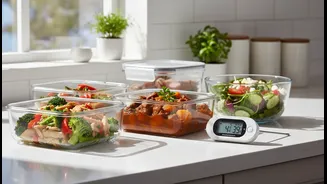
rapidly. Food should be cooled from a high cooking temperature to 21°C within two hours, and then down to 5°C or below in the next four hours. Leaving a large pot of daal or curry on the counter all afternoon to cool keeps it in this danger zone for too long. To cool food safely and quickly, divide large quantities into smaller, shallow containers. This increases the surface area and allows heat to escape faster. You can also place the container in an ice-water bath to speed up the process.
Myth: It's Fine in the Fridge for a Week
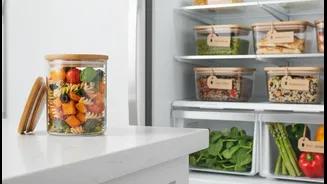
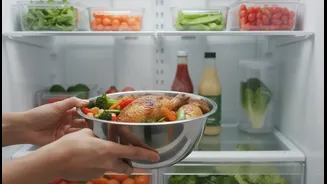
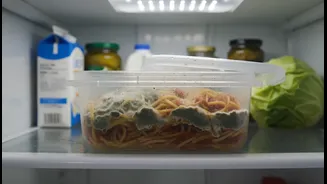
Meal prepping for an entire week is a popular goal, but not all cooked foods can last that long safely in the refrigerator. Most cooked leftovers, including meat dishes, poultry, and vegetable preparations, are only safe to eat for about three to four days when stored in the fridge at 4°C or below. After this period, the risk of spoilage and foodborne illness increases, even if the food looks and smells fine. To make your batch-cooked meals last longer, freezing is your best option. Plan to eat the portions you’ll consume in the next few days and freeze the rest immediately after cooling. Always label your containers with the date so you can keep track.
Myth: The Freezer Keeps Food Good Forever
While freezing food at -18°C does keep it safe indefinitely by halting bacterial growth, the quality will not last forever. Freezer burn, texture changes, and flavour loss are common issues with long-term storage. For best quality, most cooked meals like stews, soups, and curries should be consumed within two to three months. Cooked poultry and meat dishes can last a bit longer, from two to six months. To maximize freezer life, use airtight containers or freezer bags, removing as much air as possible to prevent freezer burn. Remember that freezing doesn't kill bacteria, it just puts them on pause. The same food safety rules apply once the food is thawed.
Myth: A Quick Zap in the Microwave is Enough
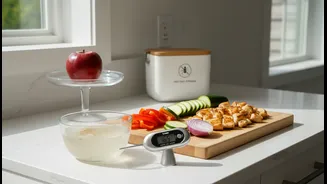
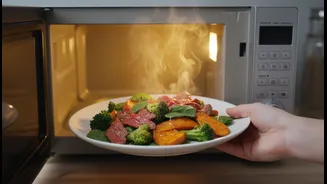
Reheating isn't just about making your food warm; it's about killing any bacteria that might have developed during storage. Leftovers must be reheated thoroughly to an internal temperature of 74°C (165°F). Using a food thermometer is the only sure way to know it's safe. When using a microwave, cover the food and stir it partway through to ensure even heating, as microwaves can create hot and cold spots. Sauces, soups, and gravies should be brought to a rolling boil on the stovetop. Simply warming your food is not enough and can leave it in the temperature danger zone, allowing bacteria to thrive.
Myth: A Quick Rinse Is All You Need
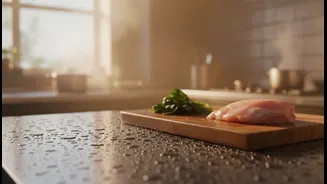
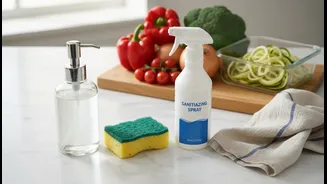
Cross-contamination is a silent saboteur in the kitchen. Using the same cutting board for raw chicken and then for chopping vegetables for your salad is a classic example of how harmful bacteria can spread. To prevent this, always use separate cutting boards, plates, and utensils for raw meat, poultry, and seafood. If you only have one cutting board, thoroughly wash it with hot, soapy water between preparing different types of food. Also, wash your hands thoroughly with soap and water before, during, and after food preparation, especially after handling raw meat. In the refrigerator, store raw meat on the bottom shelf in a sealed container to prevent its juices from dripping onto and contaminating other foods.