







Why Hygiene is a Game-Changer
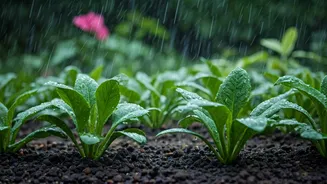
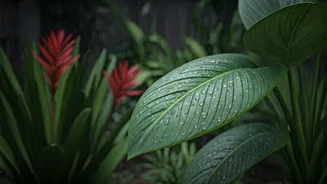
During the monsoon, high humidity and prolonged leaf wetness create an ideal breeding ground for fungal and bacterial diseases. Spores that were dormant in the soil can splash onto leaves with rainwater, spreading infections like leaf spot, powdery mildew,
and root rot. Simple guesswork won't do; your garden's survival depends on proactive hygiene. This means keeping the area clean, ensuring good airflow, and managing water effectively to deny pathogens the damp, stagnant conditions they love.
Start with Smart Soil and Drainage
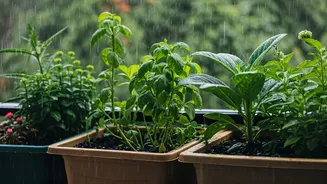
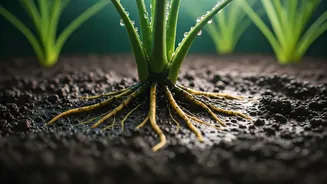
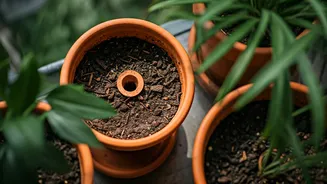
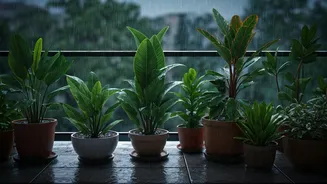
The single biggest threat during the monsoon is waterlogging, which suffocates roots and leads to rot. Before the rains intensify, ensure every pot has unobstructed drainage holes. You can improve drainage by adding sand, perlite, or cocopeat to your soil mix. For plants in the ground, creating shallow channels to guide excess water away can be a lifesaver. It's also wise to elevate potted plants on bricks or stands to prevent them from sitting in puddles. This simple step ensures that roots get the oxygen they need, even during heavy downpours.
Prune for Health and Airflow
Overgrown plants can become a liability in the monsoon. Dense foliage traps moisture and reduces air circulation, creating a haven for fungal diseases. Before the season starts, prune away dead or damaged branches and thin out crowded areas to open up the plant's canopy. This not only helps the leaves dry faster after rain but also encourages healthier new growth. Regularly removing fallen leaves and other debris from the soil surface also helps by eliminating potential hiding spots for pests and disease spores.
Strategic Pest and Disease Management
Pests like slugs, snails, and aphids flourish in damp conditions. Regular inspection is your first line of defence. Check the undersides of leaves for any signs of infestation. For control, turn to organic solutions. A weekly spray of neem oil can act as a natural repellent and fungicide, tackling issues like mealybugs and mildew. A homemade spray of garlic and chilli water is also effective against many common pests. It's crucial to act at the first sign of trouble, as infestations can spread rapidly during the monsoon.
Rethink Your Watering and Feeding Routine
It seems counterintuitive, but you can easily overwater plants during the monsoon. Always check the soil moisture before reaching for the watering can; if it feels moist an inch deep, wait. Heavy rains can also wash away essential nutrients from the soil, a process known as leaching. To counteract this, replenish nutrients with organic options. A light top dressing of vermicompost or well-rotted manure every few weeks will feed your plants without the risk of chemical runoff. Avoid heavy fertilising, as it can promote weak, sappy growth that's more vulnerable to disease.