



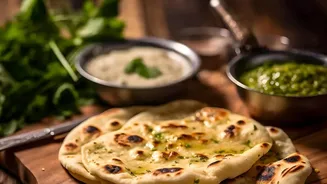
Why A Skillet Can Replace A Tandoor
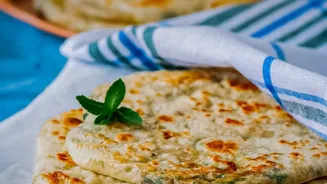
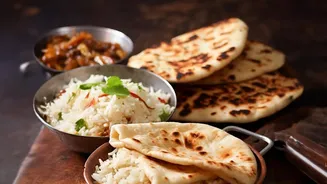
The magic of a tandoor lies in its intense, consistent heat, which cooks naan quickly, creating a soft interior and those signature charred spots. A heavy-bottomed pan, especially a cast-iron tawa or skillet, can replicate this environment effectively.
The key is getting the pan extremely hot before the dough touches it. One popular technique for gas stoves involves cooking one side on the skillet and then flipping the entire pan upside down, exposing the top of the naan directly to the flame. This direct heat blisters the surface, mimicking the tandoor effect beautifully.
The Dough: Your Foundation for Fluffiness
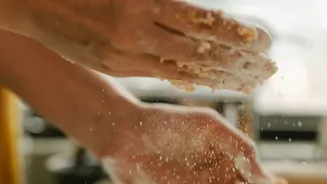
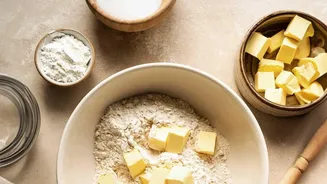
A perfect naan begins with a perfect dough. The dough should be soft, pliable, and slightly sticky. Most recipes use all-purpose flour (maida), a leavening agent like yeast or baking powder/soda, salt, and sugar. Two ingredients are crucial for achieving that coveted soft texture: fat and acid, often in the form of oil and yogurt. Yogurt tenderizes the gluten, adds a subtle tangy flavour, and helps the naan stay soft long after it's cooked. Proper kneading is also vital, but be careful not to overdo it; 5-10 minutes is usually sufficient to create a smooth, elastic dough. Finally, and perhaps most importantly, the dough must be allowed to rest for at least an hour, or until it has doubled in size. This fermentation period develops flavour and creates the air pockets needed for a light, airy texture.
Mastering the Tawa Technique
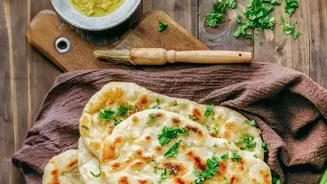
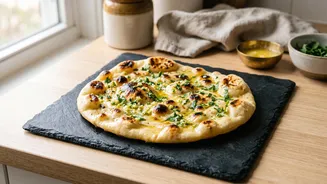
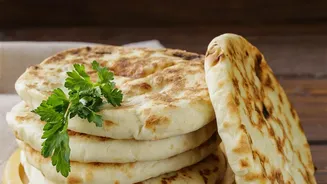
Once your dough has rested, divide it into equal portions and roll them into their characteristic oval or teardrop shape. Don't roll the dough too thin, as this can cause it to dry out and become crispy like a roti; a thickness of about 5-6mm is ideal. For the garlic topping, press finely chopped garlic and coriander into the surface. The master trick is to apply water to the underside of the naan before placing it on the hot tawa. This makes the dough stick to the pan, allowing you to invert the tawa over a direct flame without the naan falling off. Bubbles will quickly form on the surface. This is your cue to flip the tawa and let the flame char the top. If you have an electric stove, you can't use the flipping method, but you can still achieve a great result by flipping the naan itself to cook both sides on the hot surface.
Common Mistakes and Simple Fixes
If your naan isn't puffing up, the most likely culprits are a pan that isn't hot enough, dough that was rolled too thin, or yeast that wasn't properly activated. Ensure your water for the yeast is lukewarm, not hot, as high temperatures can kill it. If your naan turns out dense and tough instead of soft, the dough may have been under-rested or over-kneaded. Another tip is to avoid using a non-stick pan; the water-coated dough needs to adhere to the surface for the inversion technique to work, which is impossible on a non-stick coating. Lastly, brush the naan with melted butter or ghee immediately after it comes off the heat. This not only adds incredible flavour but also helps to lock in moisture, keeping it soft.