


The Enduring Love for Traditional Snacks
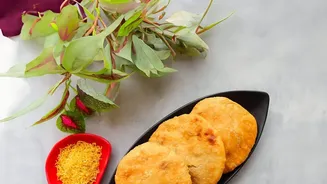
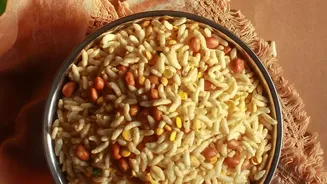
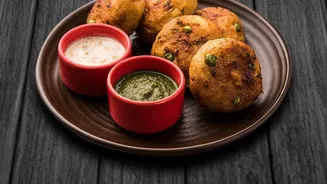
Let's be clear: the love for traditional Indian snacks is not fading. The aroma of freshly fried samosas, the spicy kick of bhujia, and the comfort of a warm pakora on a rainy day are deeply woven into the country's cultural fabric. These snacks are more
than just food; they are associated with celebrations, social gatherings, and everyday moments of joy. For decades, the snack market has been dominated by these savoury, often fried, delights. They are flavourful, satisfying, and accessible. However, this long-standing habit is now facing a significant challenge not from a foreign import, but from within India's own pantry.
A Nationwide Shift to Mindful Eating
The primary driver of this change is a massive shift in consumer consciousness. Urban and even small-town Indians are becoming increasingly health-aware. The rise of lifestyle diseases and greater access to nutritional information has prompted a move from mindless indulgence to mindful eating. A recent study highlighted that for 72% of Indians, health is now a key factor when choosing a snack. Consumers are actively reading labels, looking for clean ingredients, and seeking functional benefits like protein and fibre. This doesn't mean taste is secondary—far from it. A staggering 94% of consumers want snacks that are both nutritious and delicious, creating a new standard for the food industry.
Makhana: The Humble Superstar
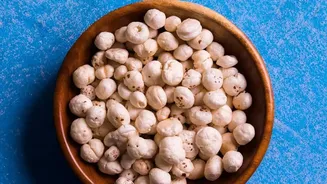
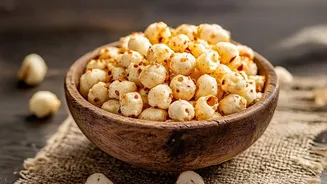
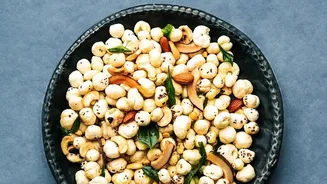
Enter makhana, or fox nuts. Once considered a food for fasting or religious ceremonies, makhana has exploded into the mainstream as a snacking superstar. Harvested from the seeds of the lotus plant, these light, crunchy puffs are a nutritional powerhouse. They are naturally low in calories and fat, gluten-free, and rich in essential minerals like magnesium, potassium, and calcium. A 100g serving of makhana has just 0.1g of fat compared to over 35g in the same amount of potato chips. Its high fibre content promotes a feeling of fullness, making it an ideal choice for weight management. Formerly a regional specialty of Bihar, makhana is now a national obsession, with brands offering a wide array of flavours from peri-peri to pudina to satisfy modern palates.
Nuts: Nature's Convenient Powerhouse
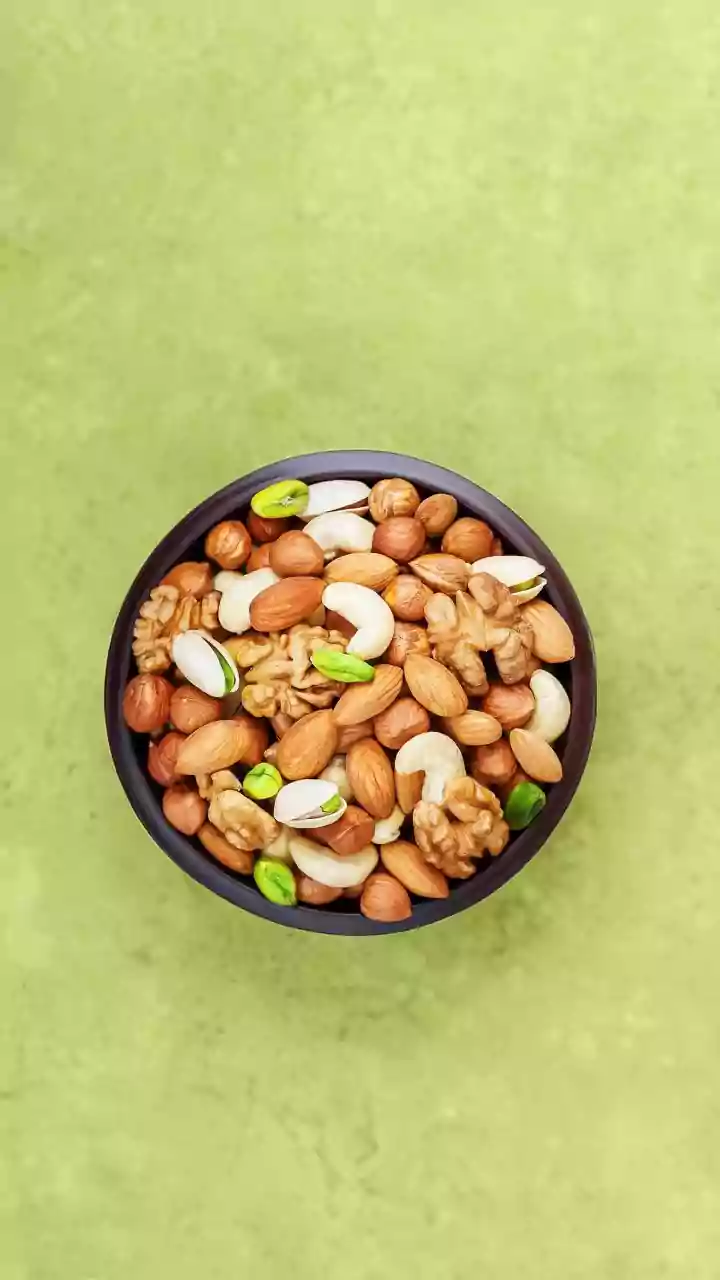
Alongside makhana, nuts like almonds, walnuts, and cashews are being repositioned as the ultimate on-the-go snack. While always valued for their health benefits, they are now being packaged and marketed for convenience. Nuts offer a potent combination of healthy fats, protein, and fibre, providing sustained energy without the sugar crash associated with many processed snacks. Roasted and flavoured nuts are the most preferred healthy snack category, chosen by 36% of consumers in a recent survey. As people look for snacks that are both natural and functional, a small pack of mixed nuts has become a smart and easy choice for office drawers and gym bags.
How the Market is Responding
This consumer-led shift has not gone unnoticed by the market. The Indian healthy snack market is a rapidly growing opportunity, projected to be worth over ₹20,000 crore by 2030. This has spurred a wave of innovation. Supermarket aisles and quick-commerce apps are now filled with baked (not fried) options, millet-based snacks, and countless flavoured makhana and nut products. This isn't about completely replacing traditional snacks. Instead, the market is expanding to accommodate a dual habit: consumers might still enjoy a samosa on the weekend but reach for roasted makhana for their daily 4 PM craving. This trend has also empowered a new wave of food startups focused on clean labels and healthy ingredients, growing at a rate significantly faster than the overall market.