





Why Are Oil Prices So High?
If your grocery bill has felt heavier lately, you’re not imagining it. Edible oil prices have seen a significant jump, with some varieties increasing by as much as 18%. This isn't a simple case of local shortages. India imports over half of its cooking
oil, making us vulnerable to global events. Key factors include unfavourable weather in major oil-producing countries, international conflicts affecting shipping, and a growing trend where countries like Indonesia and Malaysia are diverting palm oil to produce biodiesel for fuel instead of for food. When major suppliers use their oil for fuel, there is less available for export, and prices for Indian consumers rise. These global pressures mean that even with government efforts like duty cuts, the cost remains high for the foreseeable future.
Embrace Low-Oil Cooking Methods
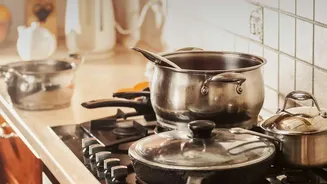
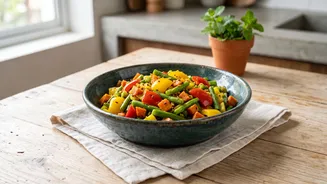
One of the most effective ways to cut costs is to simply use less oil. This doesn't mean your food has to be bland or dry. Investing in good non-stick cookware is a game-changer, as it can reduce oil usage by up to 70% because food doesn't stick. Modern appliances are also your ally. An air fryer can give you crispy pakoras, samosas, and tikkis with a fraction of the oil used in deep-frying. Similarly, baking, steaming, or grilling vegetables and proteins instead of frying them preserves flavour while cutting down on fat. For curries and sabzis, try sautéing with splashes of water or vegetable stock to prevent sticking, a technique called deglazing. This allows you to cook your masala base thoroughly with minimal oil.
Make Every Drop Count
Beyond changing your cooking style, being mindful of how you use oil can lead to significant savings. Instead of pouring oil directly from the bottle into the pan, measure it with a spoon. This simple habit prevents you from accidentally using two or three times the amount needed. An oil spray bottle or a silicone brush is another excellent tool for evenly coating a pan or brushing oil onto parathas and dosas, ensuring you use just enough to get the job done. You can also enhance flavour without adding more fat. Try dry-roasting whole spices like cumin and coriander seeds in a hot pan before grinding them. This technique blooms their aromatic oils, giving your dishes a deep, toasty flavour without needing extra oil in the tadka.
Smart Swaps for Richer Gravies
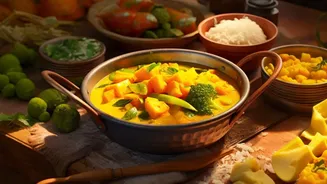
Many Indian gravies rely on oil to create a rich, luxurious texture. However, there are healthier and more economical ways to achieve that same creaminess. A smooth, well-blended onion-tomato paste cooks faster and requires less oil to prevent it from catching. For extra thickness and richness, consider adding natural thickeners. A spoonful of boiled and mashed dal, pureed pumpkin, or even grated lauki can be blended into your curry base. These ingredients not only add body and fibre but also absorb flavours beautifully. For a creamy finish in dishes, a bit of yoghurt or a paste made from nuts can replace the richness that would otherwise come from excess oil, often with added nutritional benefits.
Choose Your Oil Wisely
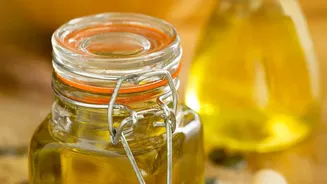
While all oil prices are affected by global trends, some options remain more budget-friendly than others. Locally produced oils like mustard oil and soybean oil are often more affordable than imported varieties. Mustard oil, a staple in many Indian regions, has a strong, pungent flavour, meaning you often need less of it to make an impact. Soybean oil is another cost-effective choice for general-purpose cooking. While refined oils are common, exploring healthier alternatives like cold-pressed groundnut, sesame, or coconut oil when your budget allows can be a good long-term choice, as they are often used in moderation and complement traditional Indian cooking well. The key is to match the oil to your cooking method and budget, using it as a flavouring agent rather than just a cooking medium.