





More Than a Memento
Every traveller has faced the souvenir dilemma: finding a perfect, authentic item to remember a trip by. In a world of mass-produced trinkets, making a thoughtful choice matters more than ever. Mindful souvenir shopping is about shifting your perspective.
Instead of just buying an object, you are investing in a person, a tradition, and a community. When done correctly, your purchase can provide a fair income to a local family, help preserve generational skills, and foster genuine cultural exchange. The alternative is often unknowingly supporting large-scale operations that mass-produce generic goods, which can dilute local culture and direct profits away from the community you intended to support. Choosing a handcrafted item means you’re bringing home a piece with a real story.
The Art of Authentic Shopping
Distinguishing genuine crafts from factory-made replicas requires a little detective work. Start by engaging with the seller. Artisans are almost always proud to share the story behind their work, including the materials and techniques used. If a vendor is vague or can't answer questions about who made an item, it might be a red flag. Look for the subtle 'imperfections' that signal a human touch. Unlike machine-made products, handcrafted items will have slight variations in color, texture, or pattern, making each one unique. Examine the materials as well. Authentic crafts often use locally sourced, natural materials like wood, clay, or cotton that feel different from synthetic, mass-produced alternatives.
Where to Find the Real Treasures
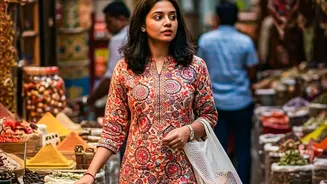
The best place to find authentic goods is often by going straight to the source. Bypass the main tourist strips, where shops are more likely to sell identical, imported goods. Instead, look for artisan cooperatives, local markets away from the epicentre, or designated fair-trade shops. These venues are designed to directly support the craftspeople. Social media can also be a powerful tool; searching hashtags related to artisans in a specific city or region can lead you to independent makers you might otherwise miss. Sometimes, the most memorable finds are in workshops or small galleries tucked away in non-tourist areas, offering a chance to connect directly with the creator.
Respecting Culture, Not Commodifying It
Mindful shopping also involves understanding the difference between cultural appreciation and appropriation. Appreciation is about learning and respecting a culture, while appropriation involves taking elements out of context without regard for their original meaning. Before buying an item, especially one with symbolic or religious significance, take a moment to understand its importance. Ask yourself if the item is meant to be sold to tourists or if it's a sacred object. Choosing experiences and items that are shared with permission and context ensures you are honouring a tradition, not just consuming it as a decorative piece. True appreciation means valuing the culture behind the craft, which fosters mutual respect between travellers and host communities.
The Lasting Impact of Your Choice
The souvenir you choose has a ripple effect. When you buy directly from an artisan, you are contributing to their livelihood and empowering them to continue their craft. This economic support is vital for sustaining traditions that might otherwise disappear in the face of mass production. It helps preserve cultural heritage by creating a viable market for skills passed down through generations. Furthermore, this conscious consumerism fosters a more positive and sustainable model of tourism, one where visitors and locals engage in a respectful exchange that benefits the community long after you've returned home. Your purchase becomes a vote for authenticity, fair wages, and the preservation of the very culture that made your destination special.