



The Classic, Reimagined
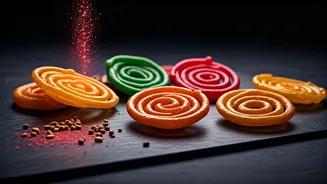
For generations, the jalebi has been a constant. It’s the star of festive mornings, the perfect partner to a savoury snack, and the go-to comfort food after a long day. Its magic lies in its simplicity: a fermented batter of maida, deep-fried into intricate
swirls and soaked in saffron-infused sugar syrup. The result is a delightful contrast of a crispy exterior giving way to a soft, syrup-filled centre. But in kitchens and sweet shops across India, a quiet revolution is taking place. Chefs and home cooks are no longer content with just perfecting the classic. They are experimenting, innovating, and pushing the boundaries of what a jalebi can be. This isn't about replacing the original, but rather adding new, exciting chapters to its delicious story.
Beyond Sugar and Maida
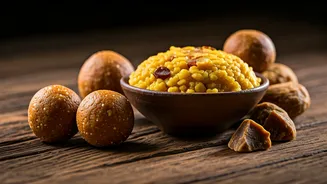
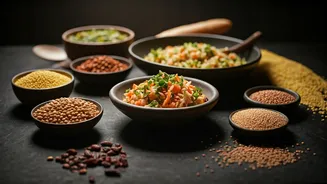
One of the most significant new trends is the move towards healthier ingredients. As more people become conscious of their dietary choices, the humble jalebi is getting a wellness makeover. The refined white sugar syrup is being replaced with rustic, iron-rich jaggery (gur), which imparts a deeper, more complex sweetness. In place of maida (refined flour), artisans are experimenting with whole wheat flour, oat flour, and even different types of millet flour, adding a nutritional punch and a unique texture to the sweet. The cooking method is also up for reinvention. While nothing can truly replace the satisfaction of a deep-fried treat, health-conscious foodies are trying their hand at baked and air-fried jalebis. These versions offer a less greasy, lighter alternative, allowing you to indulge with a little less guilt. It’s the same beloved shape and flavour profile, but adapted for the modern palate.
The Rise of Mawa Jalebi
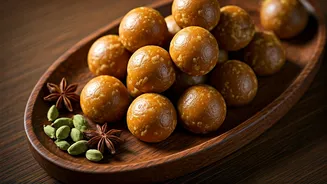
Perhaps the most celebrated innovation is the Mawa Jalebi, also known as the ‘black jalebi’. Hailing from Madhya Pradesh, particularly Burhanpur, this is not your typical jalebi. It gets its distinctive dark, almost-black colour and rich flavour from its main ingredient: khoya or mawa (reduced milk solids). Unlike the crispy, light texture of a regular jalebi, the mawa jalebi is soft, dense, and has a melt-in-the-mouth consistency, almost like a gulab jamun in the shape of a jalebi. The batter is made with khoya, arrowroot, and milk, and after frying, it’s soaked in a cardamom-scented syrup. It’s a decadent, luxurious take on the classic that has found fans far beyond its place of origin, proving that there is ample room for regional specialties to become national sensations.
The Fusion Frontier
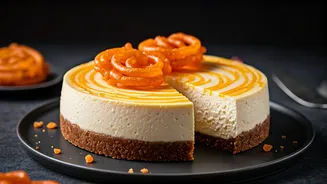
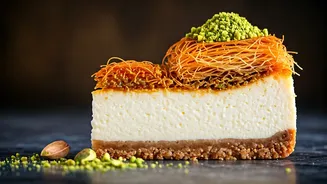
The innovation doesn't stop at ingredients. The jalebi is now a star player on the fusion dessert scene. Modern Indian restaurants and experimental patisseries are using it in wonderfully creative ways. Imagine a creamy cheesecake with a base made of crushed jalebi, or a scoop of rabri ice cream sandwiched between two small, crispy jalebis. You might find 'jalebi caviar' — tiny droplets of jalebi batter fried to a crisp — sprinkled over kheer or mousse for a textural surprise. Some chefs are even deconstructing the sweet, serving a crisp jalebi wafer alongside a saffron-syrup foam. These fusion creations introduce the beloved flavours of jalebi to a new generation and a global audience, showcasing its versatility beyond the traditional mithai shop.