




An Unkillable Icon for Modern Homes
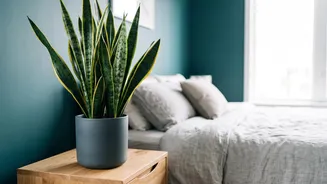
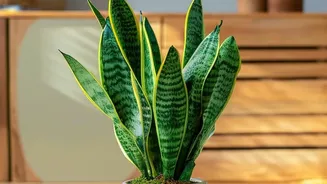
Known to many in India as Mother-in-Law's Tongue, the Snake Plant, or Sansevieria trifasciata, has earned a stellar reputation for being nearly indestructible. Its stiff, sword-like leaves, often edged in yellow or silver, bring a touch of modern elegance
to any room. For busy professionals, new parents, or anyone who thinks they have a “black thumb,” the snake plant is a forgiving companion. Its ability to withstand periods of neglect makes it a perfect starting point for an indoor garden. This resilience is no accident; it’s a product of a brilliant evolutionary adaptation that allows it to flourish where many other plants would falter, making it a common sight in Indian apartments and offices from Mumbai to Delhi.
The Secret to Low-Light Survival
The snake plant’s superpower lies in its unique form of photosynthesis, known as Crassulacean Acid Metabolism, or CAM. Most plants open their pores, called stomata, during the day to absorb carbon dioxide, which also results in significant water loss. The snake plant, however, is smarter. It opens its stomata at night when temperatures are cooler and humidity is higher, minimising moisture evaporation. It takes in carbon dioxide at night and stores it as an organic acid. During the day, it closes its stomata to conserve water and uses the stored carbon and sunlight to complete the photosynthesis process. This clever mechanism not only makes it incredibly drought-tolerant but also allows it to survive and grow, albeit slowly, in the low-light conditions common in many indoor spaces.
A Night-Time Oxygen Factory
The CAM process has another significant benefit that makes the snake plant an ideal bedroom companion. While most plants release carbon dioxide at night, the snake plant does the opposite, releasing oxygen. This unique trait of converting CO2 into oxygen during the night helps to maintain a fresher, more oxygen-rich environment while you sleep. This has earned it the nickname “the bedroom plant.” While a single plant won't drastically alter a room's air composition, its nighttime oxygen production is a welcome bonus.
Filtering Your Indoor Air
The headline-grabbing claim for snake plants stems from a 1989 NASA study, which identified them as effective air purifiers. The study found they could remove harmful toxins like formaldehyde, benzene, xylene, and trichloroethylene from the air. These volatile organic compounds (VOCs) are commonly found in Indian households, emitted from paints, furniture, cleaning products, and even cigarette smoke. By absorbing these pollutants through its leaves, the snake plant helps create a cleaner indoor atmosphere. While the NASA study was conducted in a sealed lab environment, and a home is much different, the plant's ability to filter these toxins contributes to overall better indoor air quality and can help reduce airborne irritants for those with allergies.
Caring for Your Snake Plant in India
Thriving in India’s diverse climate is easy for a snake plant, as it tolerates temperatures between 15°C and 35°C. The most crucial rule is to avoid overwatering, which can cause root rot. Allow the soil to dry out completely between waterings; this might mean watering every 2-4 weeks in the summer and even less during the monsoon or winter. A well-draining soil mix is essential. While it tolerates low light, it does best in bright, indirect sunlight, such as near an east-facing window. Regularly wiping the leaves with a damp cloth removes dust, allowing the plant to breathe and purify the air more effectively.
A Gentle Word of Caution
Despite its many benefits, it's important to note that the snake plant contains saponins, which are mildly toxic to pets and humans if ingested. Ingestion can lead to gastrointestinal discomfort like nausea and vomiting. The effects are generally mild, especially for humans, but it's wise to place the plant out of reach of curious pets and small children to be safe. For most households, this is a minor consideration for an otherwise exceptionally beneficial plant.