

A Biennale for the Entire City
The programme at the heart of this transformation is the second edition of the India Art, Architecture & Design Biennale (IAADB), beginning December 4, 2026. Organised by the Ministry of Culture, this 108-day event will run until March 21, 2027, and represents
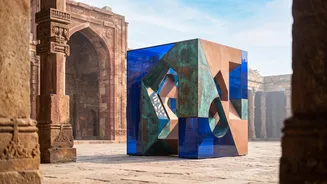
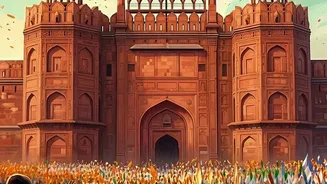
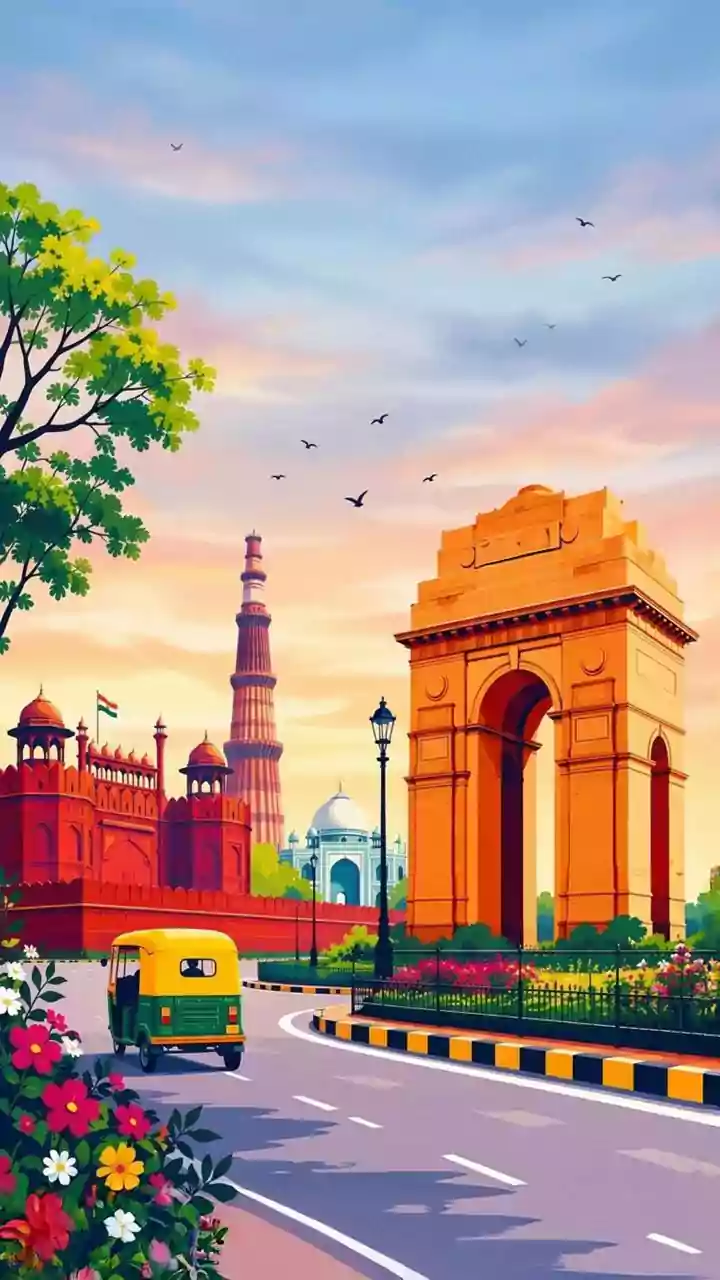
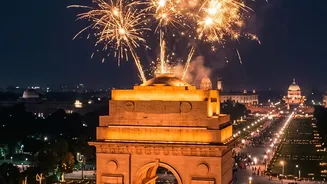
a major expansion from its first edition, which was held at the Red Fort. This time, the entire city of Delhi is the canvas. The vision is to move beyond traditional gallery spaces and use Delhi's iconic monuments and public areas as interconnected cultural venues. It’s designed as a platform for creative expression and dialogue, bringing together artists, architects, designers, and cultural institutions from across India and the world.
Where Heritage Meets Contemporary Art
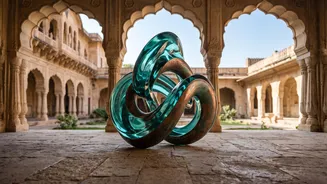
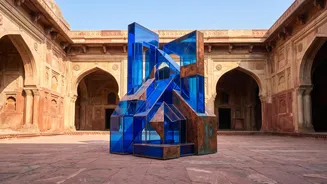
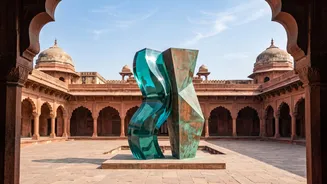
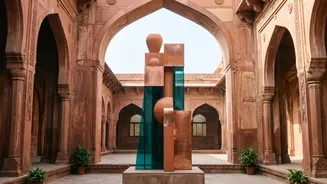
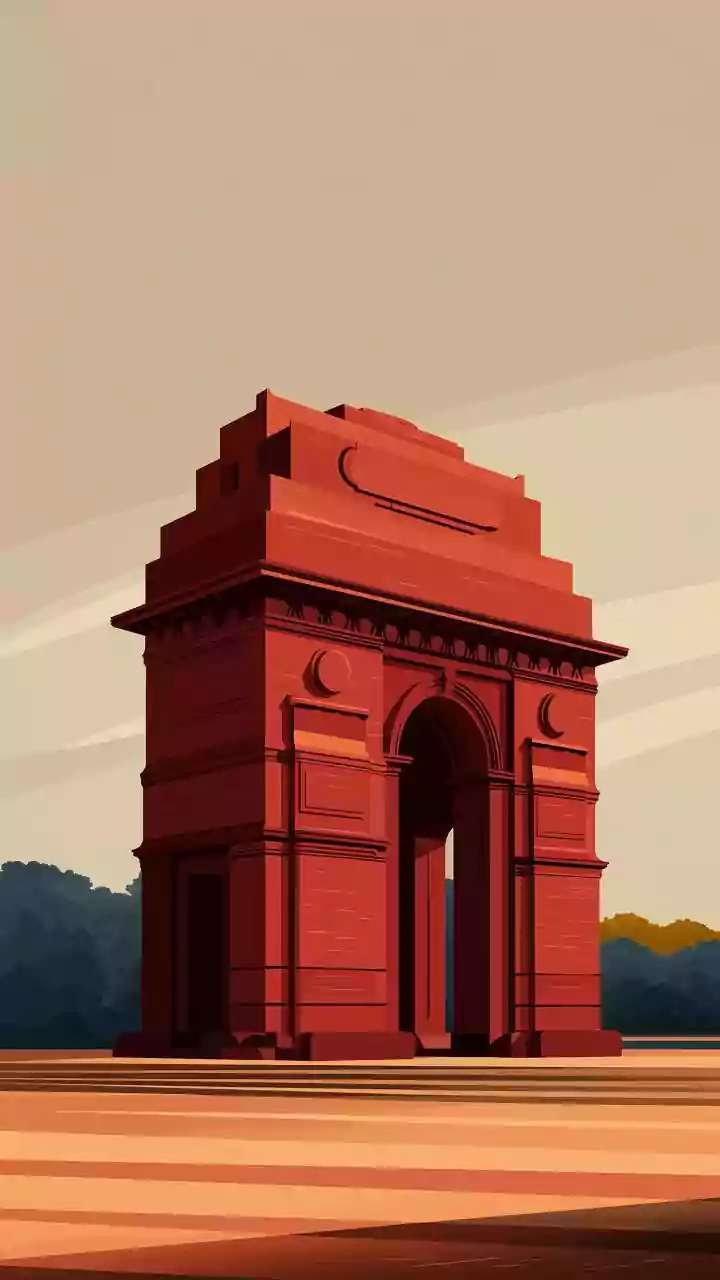
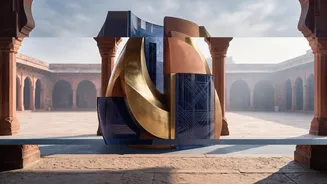
The core idea is to activate Delhi’s historical landmarks with contemporary art. More than 20 heritage sites and modern institutions are slated to be part of the biennale. Purana Qila (Old Fort) will serve as the primary anchor venue, hosting the main curated exhibition and dedicated pavilions for various states to showcase their unique cultural stories. Other key locations include iconic sites like the Red Fort, Qutub Minar, Humayun's Tomb, Jantar Mantar, Lodhi Garden, and Safdarjung Tomb. These historic settings will host site-specific installations, allowing contemporary art to interact directly with centuries-old architecture. Institutional hubs like the National Gallery of Modern Art (NGMA) and the Crafts Museum will also feature curated presentations.
The Vision: 'Tat Tvam Asi'
The curatorial theme for the 2026 biennale is 'Tat Tvam Asi', a profound concept from the Upanishads translating to 'You Are That'. Organisers state the theme is a call for reconnection and self-reflection in an age of distraction. It encourages visitors to find themselves within the art, history, and design on display. This initiative is also a form of cultural diplomacy, with over 20 countries, including France, Italy, and Switzerland, participating with their own installations and pavilions. By placing art in such prominent public spaces, the project, which builds on past initiatives like Project PARI (Public Art of India), aims to make India's diverse artistic heritage more accessible to both citizens and international visitors.
More Than Just Exhibitions
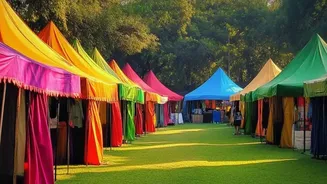
The IAADB 2026 is not just a series of static displays. The 108-day calendar is packed with a wide range of activities designed to engage the public. Visitors can expect heritage walks, workshops, live performances, film screenings, and public conversations with artists and curators. This multi-disciplinary approach extends to a dedicated Student Biennale, providing a platform for emerging creative talent to experiment and connect with the broader ecosystem. By turning transit spaces, parks, and monuments into cultural hubs, the programme follows in the footsteps of successful public art projects that have already transformed areas like Lodhi Colony and the Delhi Metro into vibrant art districts.