



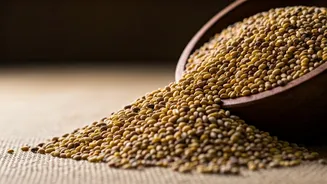




Meet Amaranth: The Ancient Grain for Modern Problems
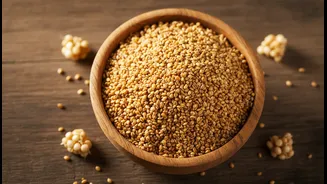
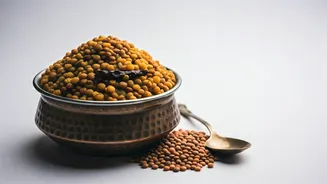
Amaranth, known in India as 'rajgira', is an ancient pseudo-cereal that has been a staple for thousands of years. Often called a superfood, this tiny grain packs a massive nutritional punch. It’s a complete protein, meaning it contains all essential amino
acids, including lysine, which is often lacking in other grains. This impressive profile makes it uniquely suited to address the specific physical tolls of a sedentary, screen-heavy workday.
The Power Trio: Magnesium, Iron, and Manganese
The magic of amaranth lies in its dense concentration of key micronutrients. It is an excellent source of magnesium, iron, and manganese, all of which are vital for energy and muscle function. A single serving can provide a significant portion of your daily needs for these minerals. For anyone spending hours hunched over a keyboard, these nutrients are non-negotiable for feeling your best. Magnesium, for example, is involved in nearly 300 reactions in the body, including muscle contraction and relaxation.
Easing Muscle Tension and Stiffness
That familiar neck and shoulder stiffness from prolonged sitting is often a result of muscle tension. Magnesium plays a critical role in muscle relaxation. It acts as a natural calcium blocker, helping muscle cells relax after contracting. When you’re low on magnesium, muscles can remain tense, leading to cramps and soreness. Since amaranth is rich in magnesium, incorporating it into your diet can help your body better manage the physical stress of being desk-bound, potentially reducing that end-of-day achiness.
Fighting Fatigue with Better Energy Production
Feeling drained by 3 p.m.? Your body's energy production system might need support. This is where iron and manganese come in. Iron is a crucial component of hemoglobin, which transports oxygen from your lungs to the rest of your body, including your brain and muscles. Without enough iron, oxygen delivery slows, leading directly to fatigue and poor concentration. Manganese is also a powerhouse, essential for brain function and playing a key role in energy metabolism and protecting cells from oxidative stress. The iron and manganese in amaranth contribute to more efficient energy production, helping you feel more alert and less drained.
Antioxidant Support for Screen-Tired Eyes
Staring at a screen for hours exposes your eyes to blue light, which can contribute to oxidative stress. Amaranth is a good source of antioxidants, including phenolic acids, Vitamin A, and lutein. These compounds help protect your cells from damage caused by free radicals. Specifically, nutrients like Vitamin A and lutein are known to support vision health by protecting the eye's surface and macula, which can be strained by prolonged screen time. While no food is a magic cure for eye strain, a diet rich in these antioxidants provides foundational support for eye health.
Easy Ways to Add Amaranth to Your Diet
Bringing rajgira into your meals is simple and versatile. You can start your day with a warm bowl of amaranth porridge, similar to dalia, topped with nuts and fruit. Amaranth flour can be mixed with other flours to make nutrient-dense rotis or chapatis. Popped amaranth seeds can be sprinkled over salads, yogurt, or used to make energy bars (chikkis). You can also add the grains to soups and stews, where they act as a natural, gluten-free thickener while boosting the protein and fibre content. For a savoury meal, try making a rajgira khichdi or upma.