





The Hidden Tax on Health and Wallets
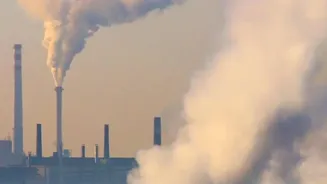
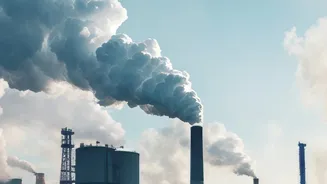
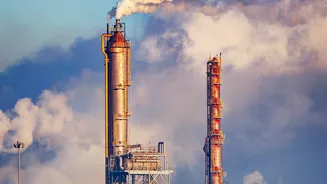
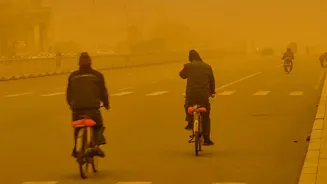
When the air quality index turns 'severe', the first concern is rightly public health. But for millions of Indians, hazardous air is also a direct financial threat. It's a hidden tax paid not just in hospital bills, but in lost wages and diminished productivity.
Recent reports paint a grim picture of this economic toll. According to a joint paper by FICCI and EY, India loses an estimated 1.3 billion workdays annually due to pollution-related health issues. This absenteeism doesn't just impact individual household incomes; it creates a significant drag on the entire economy, hampering growth and business resilience. The connection is simple but severe: toxic air makes people sick, and sick people cannot work.
From Polluted Air to Empty Desks
The mechanism behind these lost workdays is well-documented. Fine particulate matter, or PM2.5, is small enough to penetrate deep into the lungs and enter the bloodstream, causing a range of illnesses. These include respiratory infections, asthma flare-ups, heart disease, and strokes. On days with high pollution, worker efficiency can drop by as much as 8-10%. This loss isn't confined to those who take sick days. A phenomenon known as 'presenteeism'—where employees are on the job but function at a reduced capacity due to illness—accounts for a huge portion of the productivity drain. Dalberg Advisors estimated that presenteeism costs Indian businesses around USD 24 billion. This affects all sectors, from outdoor labourers in construction to indoor workers in the IT sector, where cognitive function is critical.
Counting the Staggering Cost in Crores
The cumulative economic damage is staggering. A 2025 Lancet report stated that premature mortality from outdoor air pollution cost India the equivalent of 9.5% of its GDP in 2022. While different reports use varying methodologies, they all point to a massive financial drain. A study by Dalberg Advisors and the Clean Air Fund estimated that air pollution cost Indian businesses USD 95 billion in a single year, roughly 3% of the nation's GDP. Lost output from premature deaths and morbidity alone was calculated at USD 36.8 billion in 2019, or 1.36% of India's GDP. These figures don't just represent abstract economic indicators; they translate to delayed projects, reduced consumer spending as people stay indoors, and a direct hit to corporate balance sheets.
A Ripple Effect Across the Economy
The impact of lost productivity and absenteeism ripples outwards, affecting far more than just the sick worker and their employer. For daily wage earners in sectors like construction and transport, a sick day means no income, pushing families toward financial instability. For businesses, it means operational delays and increased costs. Restrictions on construction and freight movement during high-pollution periods disrupt supply chains for everything from fresh produce to steel and cement. Furthermore, the constant health burden increases both public and household healthcare expenditure, diverting funds that could otherwise be spent on education or invested back into the economy. A World Bank paper found that even a small annual increase in PM2.5 can reduce a district's GDP growth by a non-trivial 0.56 percentage points, compounding the economic damage over time.