



Beyond the Usual Brew
While masala chai holds a special place across India, the beverage culture in Himalayan regions like Uttarakhand, Himachal Pradesh, and Nepal is beautifully diverse. Here, daily life is deeply intertwined with the immediate environment, and this is reflected
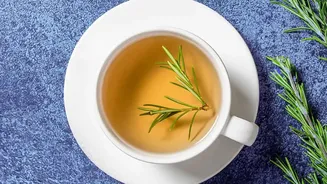
in what people drink. For generations, communities have brewed herbal infusions using leaves, flowers, and berries foraged from the surrounding hillsides. These caffeine-free drinks, often prepared simply with hot water, are a source of warmth, hydration, and traditional wellness, forming a ritual as important as any other meal. They represent a direct connection to the land, with recipes passed down through families, each with its own subtle variations and preferred ingredients.
A Pantry Provided by Nature
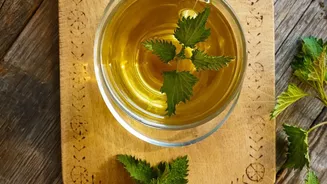
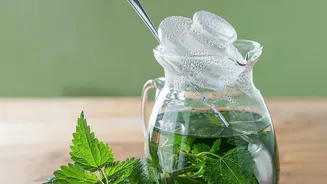
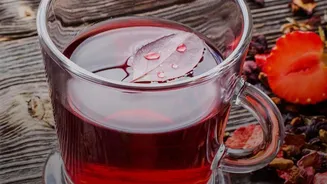
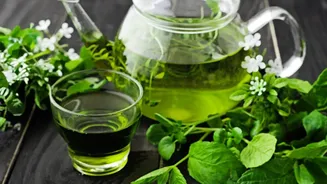
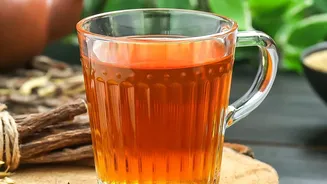
The variety of herbs used is a testament to the region's rich biodiversity. One of the most cherished is the striking red flower of the Rhododendron tree, known locally as 'buransh'. When dried, its petals create a floral, slightly sweet tea that is enjoyed for its calming aroma and is traditionally believed to aid digestion. Another common ingredient is Himalayan nettle, or 'bichhu booti'. Despite its intimidating sting when fresh, the dried leaves produce a smooth, earthy green infusion, appreciated for its rich mineral content. Berries also play a key role, especially the vibrant orange sea buckthorn. These tart berries are often muddled to release their juice before being steeped, creating a tangy, citrus-like drink that is brimming with Vitamin C. Other local favourites include wild mint, sacred tulsi, and bright lemongrass, each adding its own unique flavour profile.
The Simple Art of the Brew
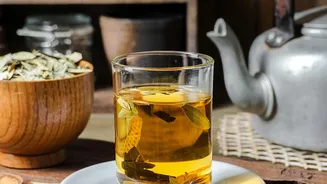
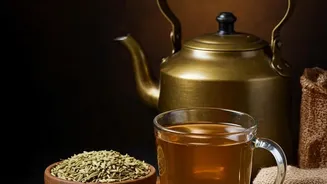
The preparation of these milk-free teas is refreshingly simple, focusing on extracting the pure essence of the ingredients. The process usually begins with harvesting and sun-drying the herbs, a method that preserves their natural character and flavour. To brew, a handful of the dried leaves, flowers, or crushed berries is added to a pot of hot water. The water is typically just boiled, then poured over the botanicals to steep. Steeping times vary; delicate flowers like rhododendron might need five to seven minutes, while tougher leaves like nettle can be infused for longer to draw out their earthy notes. The resulting infusion is strained directly into a cup. While many prefer to enjoy these teas plain, a small spoonful of local honey is sometimes added to balance any tartness, especially with sea buckthorn.
More Than Just a Beverage
These herbal infusions are far more than just a way to quench thirst; they are woven into the fabric of daily wellness and culture. Many of these plants are cornerstones of traditional and Ayurvedic practices. Rhododendron tea is often consumed to soothe a cough or relax after a long day. Nettle is seen as a natural detoxifier and a source of vital nutrients like iron and calcium. And sea buckthorn is celebrated for its immunity-boosting properties. Beyond these perceived health benefits, the act of brewing and drinking these teas is a comforting ritual. It offers a moment of calm, a connection to nature, and a taste of the mountains that is both grounding and restorative. It’s a tradition of self-sufficiency, relying on the goodness that the earth provides right at one's doorstep.