







What Are These Sensors?
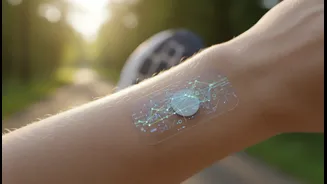
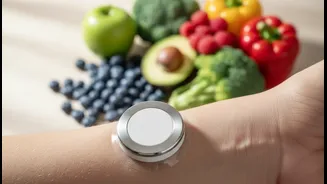
You may have seen influencers or athletes wearing a small, disc-like device on the back of their arm. This is a Continuous Glucose Monitor, or CGM. Originally developed for people with diabetes to track their blood sugar levels without constant finger
pricks, these sensors are now entering the mainstream wellness market. They work via a tiny, flexible filament that sits just under the skin, measuring glucose levels in the fluid between your cells, not directly from the blood. This data is then sent wirelessly to a smartphone app every few minutes, providing a real-time stream of your body's glucose response throughout the day and night.
Beyond Diabetes: A New Wellness Tool
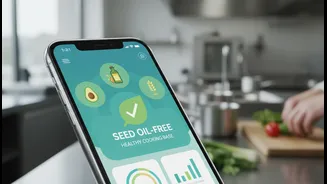
The latest trend sees people without diabetes using CGMs to gain a deeper understanding of their metabolic health. The goal isn't to manage a disease, but to optimize well-being. By seeing how their body reacts to different foods, exercise, stress, and sleep patterns, users can make more informed lifestyle choices. Tech companies and wellness platforms in India, such as Ultrahuman and HealthifyMe, have started offering CGM-based programs. These services pair the sensor with sophisticated apps that analyse the data and provide actionable insights, nudges, and even scores for your meals.
Decoding Your Body's Response to Food
A CGM offers a uniquely personalised window into your diet. While we know that carbohydrates raise glucose levels, the exact impact varies wildly from person to person. Even with the same meal, your response can be different from someone else's. A CGM graph can show you whether that serving of white rice caused a sharp spike and subsequent crash, while a bowl of dal and whole-wheat roti led to a gentler, more sustained energy release. Users can see in near real-time how a 15-minute walk after lunch can flatten a glucose spike, or how a late-night dessert affects sleep quality. This direct feedback loop helps you identify which foods fuel you best and which leave you feeling tired and foggy.
What You Can Learn From the Data
Beyond just food, CGMs reveal a holistic picture of your metabolic health. The data can highlight hidden patterns, such as the impact of stress on your glucose levels or how poor sleep can lead to insulin resistance the next day. By tracking these trends, you can start connecting the dots between your habits and how you feel. For example, you might discover that your mid-afternoon energy slump is directly related to a sharp glucose drop after a carb-heavy lunch. Armed with this knowledge, you can experiment with your diet — perhaps by adding more protein and fibre to your meal — and immediately see the results on your graph.
Is It Worth It For You?
While the insights can be powerful, this technology comes at a price. In India, a single sensor lasts for about 14 days, and the costs can add up, with yearly subscriptions for some platforms running into tens of thousands of rupees. Doctors also caution that for non-diabetics, there is a risk of data overload or developing health anxiety without proper context. The targets for an optimal glucose curve in a healthy person are also less defined than they are for a diabetic patient. These sensors are a powerful tool for self-discovery and can motivate healthier habits, but they are not a magic bullet. They provide data, but the real work of changing your lifestyle still rests with you.