


Days 1-2: Jaipur and Its Craft Villages
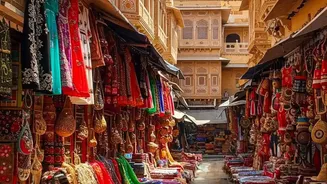
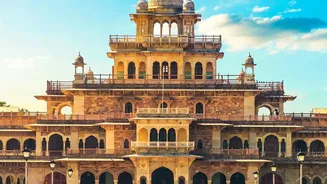
Begin your journey in Jaipur, the heart of Rajasthani craft. While city bazaars like Bapu and Johari are worth exploring, the key to fair pricing for fabrics is to go to the source. Just south of the city lie the villages of Sanganer and Bagru, the epicentres
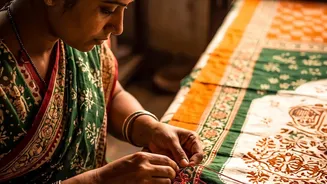
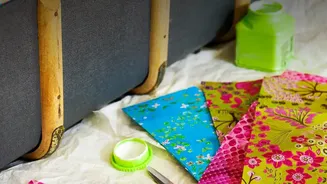
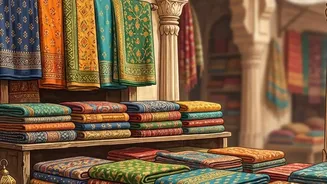
of Rajasthani block printing. Sanganer is known for its delicate floral motifs on white backgrounds, a craft so unique it's protected by a Geographical Indication (GI) tag. Bagru, in contrast, is famous for its earthy, geometric patterns using natural dyes and a mud-resist technique called 'dabu'. Many artisan families in these villages welcome visitors into their workshops. Here, you can watch the entire process, from block carving to dyeing, and purchase fabrics directly, bypassing intermediary costs. A hand-block printed cotton fabric can be sourced for as little as ₹60-₹120 per metre. For a more structured experience, consider visiting a government emporium like Rajasthali on M.I. Road, which ensures authenticity and fixed, fair prices.
Finding Jaipur's Famed Blue Pottery
Jaipur is also the home of Blue Pottery, another GI-tagged craft with Turko-Persian origins. Unlike typical pottery, it uses a dough made from quartz powder instead of clay, resulting in its distinctive, semi-transparent look. The vibrant cobalt blue designs are hand-painted, so every piece is unique. While you'll see Blue Pottery in markets across the city, buying directly from artisan workshops or reputable dealers is the best way to ensure quality and a fair price. Some pieces can be found for as low as ₹120-₹160. Kripal Kumbh, a studio with historical significance in reviving the craft, is a well-regarded place to see and buy high-quality pieces. When buying, look for slight variations in the hand-painted lines and a glaze that has depth, which are hallmarks of authentic, handmade work.
Day 3: Jodhpur's Tie-Dye Traditions
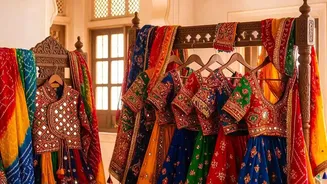
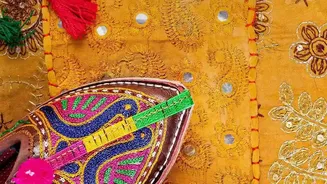
Travel west to Jodhpur, the 'Blue City', which has its own distinct textile traditions. The most famous is Bandhani, an intricate tie-dye technique that creates stunning patterns. The markets around the Clock Tower and Sardar Market are the central hub for textile shopping, offering everything from Bandhani sarees to turbans. For a less tourist-focused experience with more competitive prices, explore Tripolia Bazaar, which is popular with local shoppers. Here you can find not only Bandhani but also Leheriya, another tie-dye style creating a wave-like pattern. While bargaining is common in these markets, a respectful approach is key. You'll also find shops specialising in traditional embroidered fabrics and mirror-work textiles, showcasing the rich craft heritage of the Marwar region.
Days 4-5: Weaving Villages of Udaipur and Beyond
End your journey in the region around Udaipur. While the city is known for its palaces and lakes, the surrounding rural areas are home to communities of weavers. In villages like Salawas near Jodhpur or others near Udaipur, artisans have been creating dhurries for generations. These thick, flat-woven rugs are made on handlooms using cotton, wool, and jute. Many weavers work as part of cooperatives or sell directly from their homes, offering travellers a chance to buy beautiful, durable rugs at prices that directly support the artisan community. For example, organisations like Sadhna work with over 700 female artisans in the region, empowering them to earn an independent income through their craft. Seeking out these artisan clusters, which are sometimes supported by foundations, ensures that the price you pay is not only fair but also contributes to the sustainability of these timeless traditions.