




Jumping rope is a fantastic, affordable, and fun way to boost your fitness. But enthusiasm can lead to injuries if you do too much, too soon. The key to unlocking its full potential lies in a smart and gradual start for sustainable results.
The Powerful Payoff of Jumping Rope
Before we dive
into the 'how', let's appreciate the 'why'. Jumping rope is more than just a playground activity; it is a powerhouse workout. It is an extremely efficient way to burn calories, with some estimates suggesting you can burn 200-300 calories in just 15 minutes. It is a full-body workout that strengthens your legs, core, and upper body. It also significantly improves cardiovascular health, coordination, balance, and even bone density. Because it is a high-impact, high-intensity exercise, your body needs time to adapt to the new demands. Rushing in is a fast track to common injuries like shin splints, ankle strains, and calf pain.
Your First Week: Start with Intervals
The golden rule for your first week is simple: consistency over intensity. Your goal is not to exhaust yourself, but to teach your body the rhythm and mechanics of jumping. A great way to start is with interval training. Try this simple routine every other day: 30 seconds of basic jumping followed by 60 seconds of complete rest. Repeat this cycle 5 to 8 times. This approach allows your muscles and connective tissues to adapt without being overloaded. During your rest periods, you can walk around or practice the wrist-turning motion without the rope. Remember to warm up with light movements like arm circles and calf raises before you start.
Mastering the Form Is Your Top Priority
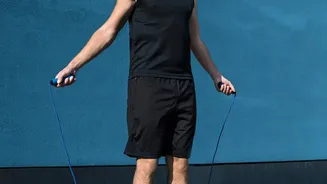
Good form is non-negotiable for injury prevention and efficiency. Focus on these key elements: stand up straight with a neutral spine, keep your shoulders relaxed and down, and engage your core. The work should come from your wrists, not your arms; keep your elbows in close to your body and rotate the rope with small, controlled wrist circles. When you jump, it should only be an inch or two off the ground—just enough to clear the rope. Land softly on the balls of your feet, with your knees slightly bent to absorb the impact. Your heels should only lightly 'kiss' the ground, if at all.
Common Beginner Mistakes to Avoid
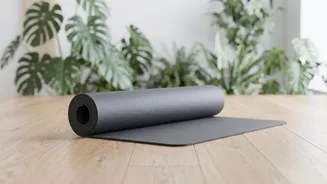
Many beginners inadvertently make their learning curve steeper by falling into common traps. One of the biggest is jumping too high, which wastes energy and increases impact on your joints. Another is using your entire arms and shoulders to swing the rope instead of your wrists. This leads to quick fatigue and poor form. Also, check your equipment. A rope that is too long will slap the ground and disrupt your rhythm, while one that's too short will cause you to trip constantly. Finally, avoid jumping on hard surfaces like concrete without a proper mat, as this is a leading cause of shin splints.
Listening to Your Body and Progressing Safely
Your body will give you signals; it is your job to listen. It is normal to feel muscle soreness when you start a new activity, but sharp, persistent pain is a red flag. Rest days are crucial for recovery and muscle repair, so avoid jumping every single day at the beginning. Once you can comfortably complete your initial interval routine without excessive fatigue or pain, you can start to progress. You can gradually increase the duration of your jumping intervals (e.g., to 45 seconds) or decrease your rest time. Another way to advance is by introducing new footwork, such as the alternate foot step, once you have mastered the basic two-foot bounce.