

A Cosmic History Book
The Moon is a celestial historian. Unlike Earth, which is constantly resurfacing itself through erosion, weather, and plate tectonics, the Moon has no such geological activity. This means its surface is a remarkably well-preserved record of the last 4.5
billion years. Every crater tells a story of an impact from an asteroid or comet, allowing scientists to piece together a timeline of the solar system's chaotic youth. By studying the size, distribution, and age of lunar craters, researchers can understand the bombardment that Earth also experienced but has long since erased. This cosmic guestbook, pressed into the lunar surface, provides a window into the very processes that formed and shaped our planetary neighbourhood.
The Hunt for Hidden Water
One of the most exciting frontiers in lunar science is the search for water ice, and craters are the key. In the Moon's polar regions, there are craters whose floors are permanently shadowed, never seeing direct sunlight. Temperatures in these deep-freeze traps can plummet to incredibly low levels, allowing water ice delivered by comets or asteroids to remain stable for billions of years. The discovery of this ice has been a game-changer, with missions like India's Chandrayaan-1 providing crucial data that confirmed its presence. This isn't just a scientific curiosity; this water could one day be a critical resource for future lunar bases, providing drinking water, breathable oxygen, and even rocket fuel for missions deeper into space.
India's Lunar Detective Work
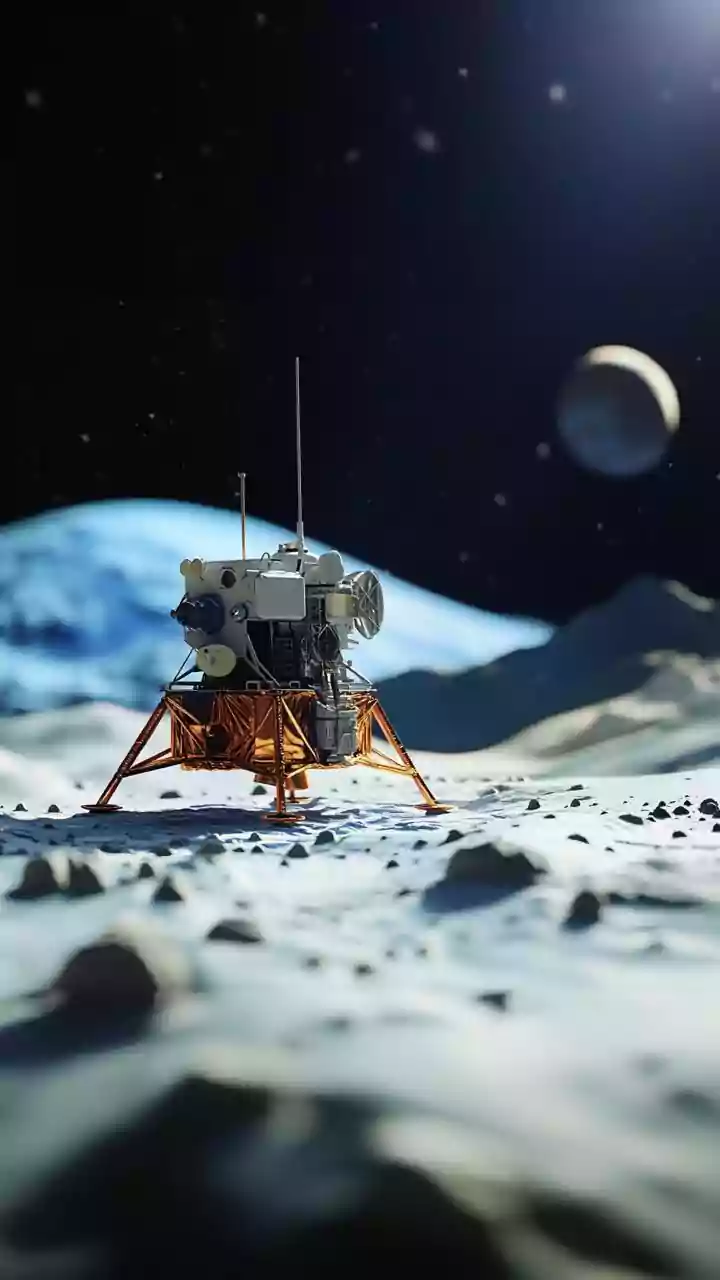
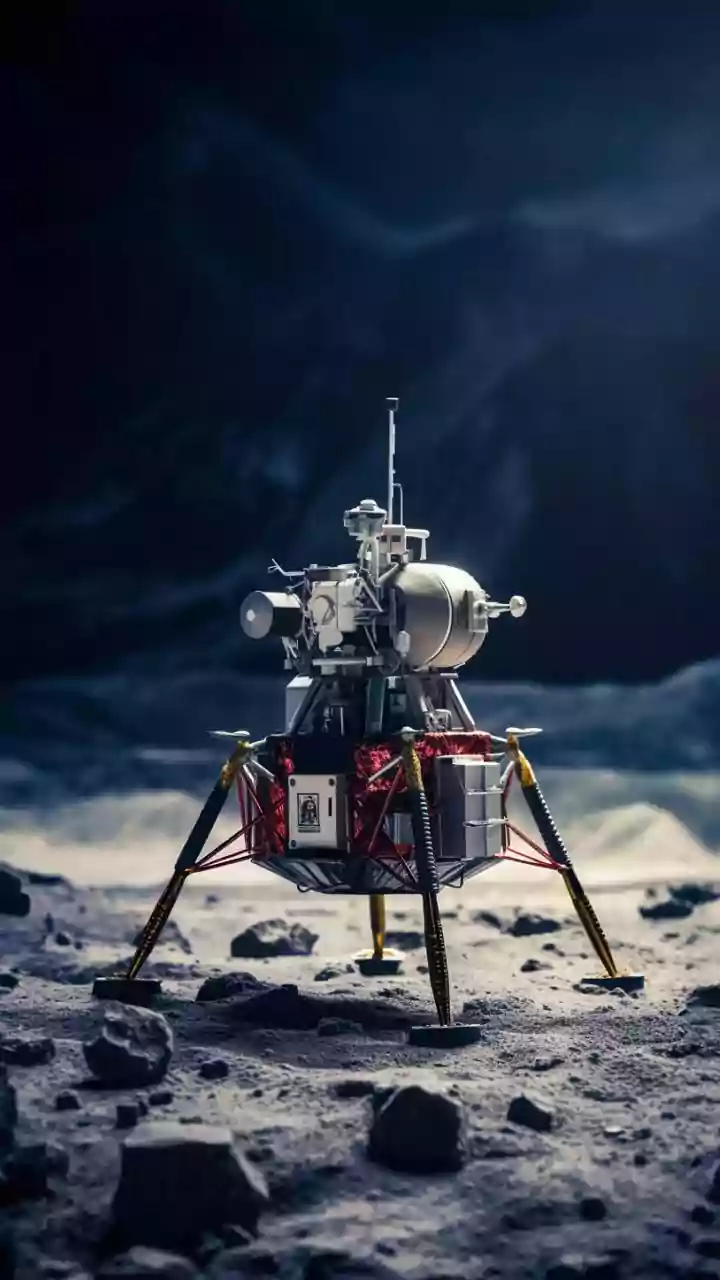
India has played a significant role in unravelling the Moon's secrets. The instruments aboard ISRO's Chandrayaan-1 and Chandrayaan-2 missions have been pivotal. NASA's Moon Mineralogy Mapper on Chandrayaan-1 provided the first high-resolution maps that confirmed water ice deposits. The Moon Impact Probe, intentionally crashed near the south pole as part of the Chandrayaan-1 mission, also gave early, tantalizing hints of water. More recently, data from Chandrayaan-2's radar has provided strong evidence of ice hidden below the surface in polar craters. Even the Chandrayaan-3 landing site has yielded fascinating discoveries, with scientists determining the lander and rover are exploring inside a massive, ancient, and buried impact crater, offering a chance to study some of the most deeply excavated material on the Moon.
A Mirror to Earth's Safety
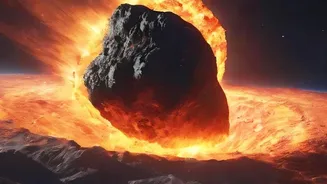
Studying lunar impacts isn't just about the past; it's also about protecting our future. The Moon's battered surface serves as a constant reminder that space is not empty. The rate of new craters forming on the Moon is actually higher than scientists previously expected, highlighting the ongoing risk of impacts throughout the solar system. Recent observations of newly formed craters provide invaluable data on impact events. In 2024, a surprisingly large crater, over 200 metres wide, was discovered, offering an unprecedented look at how these collisions unfold in real-time. Understanding the frequency and scale of these impacts helps scientists build better models for planetary defense, improving our ability to detect and potentially mitigate asteroids that could pose a threat to Earth.
Decoding the Debris
When an asteroid strikes the Moon, it's a catastrophic event that excavates material from deep beneath the surface and also vaporises the impactor itself. This process gives scientists a two-for-one deal. The ejected lunar rock provides a glimpse into the Moon’s internal composition without needing to drill. Recently, analysis of rocks from China's Chang'e-6 mission, taken from the Moon's largest crater, revealed how a colossal ancient impact profoundly altered the Moon's interior chemistry. Furthermore, by analysing the chemical traces left behind, scientists can learn about the makeup of the asteroids and comets that delivered them. By studying lunar meteorites found on Earth, researchers can even connect specific impacts on the Moon to those on other celestial bodies, painting a broader picture of solar system-wide events that occurred billions of years ago.