

The Real Challenge in Plant-Based Diets
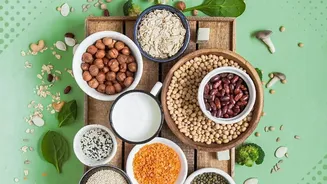
While protein often gets the most attention in vegetarian and vegan diets, a more subtle challenge lies in the absorption of essential minerals, particularly iron. Plant-based foods are a fantastic source of what is known as non-heme iron. However, the body
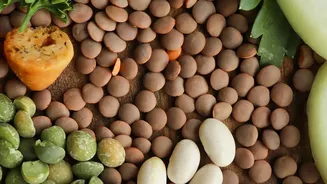
finds this type of iron harder to absorb compared to heme iron, which is found in animal products. This means that even if your diet is rich in iron-packed foods like lentils, spinach, and beans, you might not be getting the full benefit. This absorption issue is a key reason why iron deficiency can be a concern for those who rely solely on plant sources. Your body's ability to take in non-heme iron is highly influenced by the other foods you eat alongside it.
How Vitamin C Unlocks Plant-Based Iron
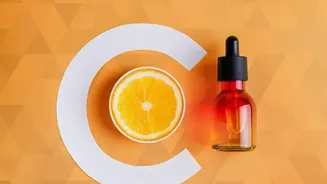
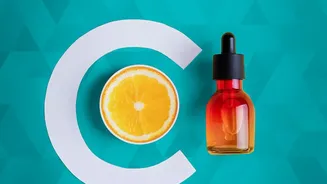
This is where Vitamin C, or ascorbic acid, comes in as a nutritional superhero. Decades of research have shown that Vitamin C is one of the most powerful enhancers of non-heme iron absorption. When consumed in the same meal, it works its magic in two primary ways. First, it helps convert the iron into a form that is much easier for your intestines to absorb. Second, it counteracts the effects of certain compounds found naturally in plants, called phytates and polyphenols, which can otherwise bind to iron and block its absorption. Think of Vitamin C as a key that unlocks the iron trapped in plant foods, making it available for your body to use for vital functions like creating red blood cells and maintaining energy levels.
Power Pairings for Your Plate
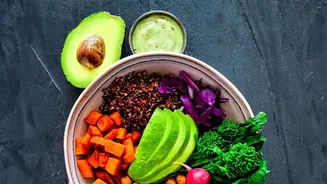
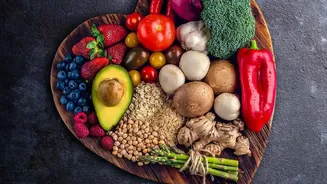
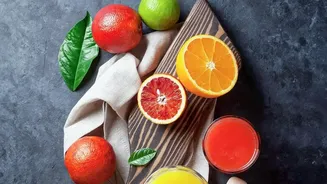
Incorporating this science into your daily meals is simple and delicious. The goal is to combine an iron-rich plant food with a Vitamin C-rich food in the same sitting. Even a small amount, around 50 milligrams of Vitamin C per meal, can make a significant difference. The good news for us in India is that many of our traditional cooking practices already do this instinctively. Adding tomatoes to chole or squeezing lemon over dal are perfect examples. Here are some easy and effective pairings to try: Dal and Lentils: Pair with a generous squeeze of lemon juice, or cook with tomatoes and bell peppers (capsicum). Chickpeas and Beans: Enjoy your chole with a side of amla (Indian gooseberry) chutney or a salad containing bell peppers. Spinach and Leafy Greens: Instead of only having palak paneer, try a spinach salad with orange slices or strawberries. Adding lemon to your saag also works wonders. Tofu and Soy: Make a stir-fry with tofu, broccoli, and bell peppers. The Vitamin C in the vegetables will boost the iron from the tofu.
What to Avoid with Iron-Rich Meals
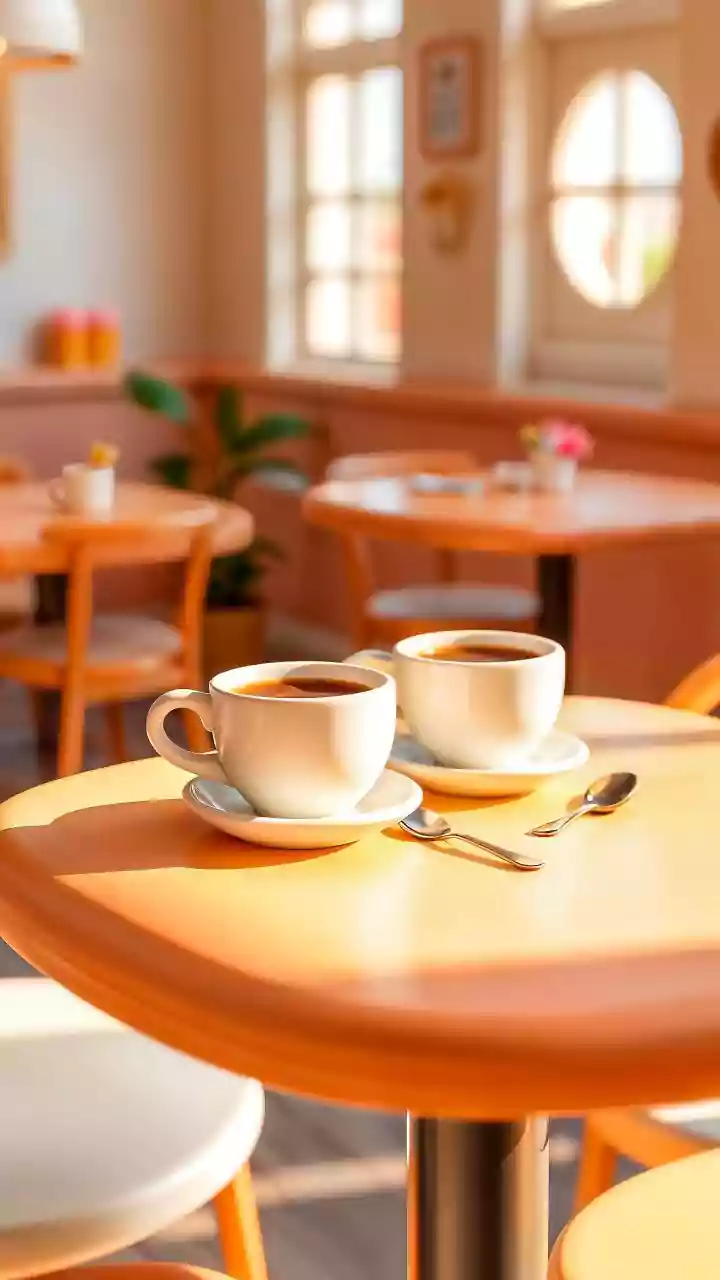
Just as some foods enhance iron absorption, others can hinder it. The main culprits are tannins, which are found in tea and coffee, and to some extent, calcium from dairy products. These substances can interfere with your body's ability to absorb non-heme iron. This doesn’t mean you have to give up your favourite chai or coffee, but timing is important. Try to enjoy your tea or coffee at least an hour or two before or after your main iron-rich meals, rather than with them. This simple habit ensures that you get the maximum iron from your food without interference. By being mindful of these combinations, you can effectively manage and improve your iron levels through diet alone.