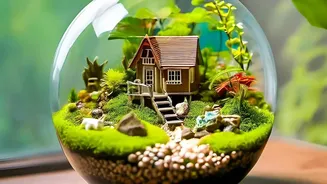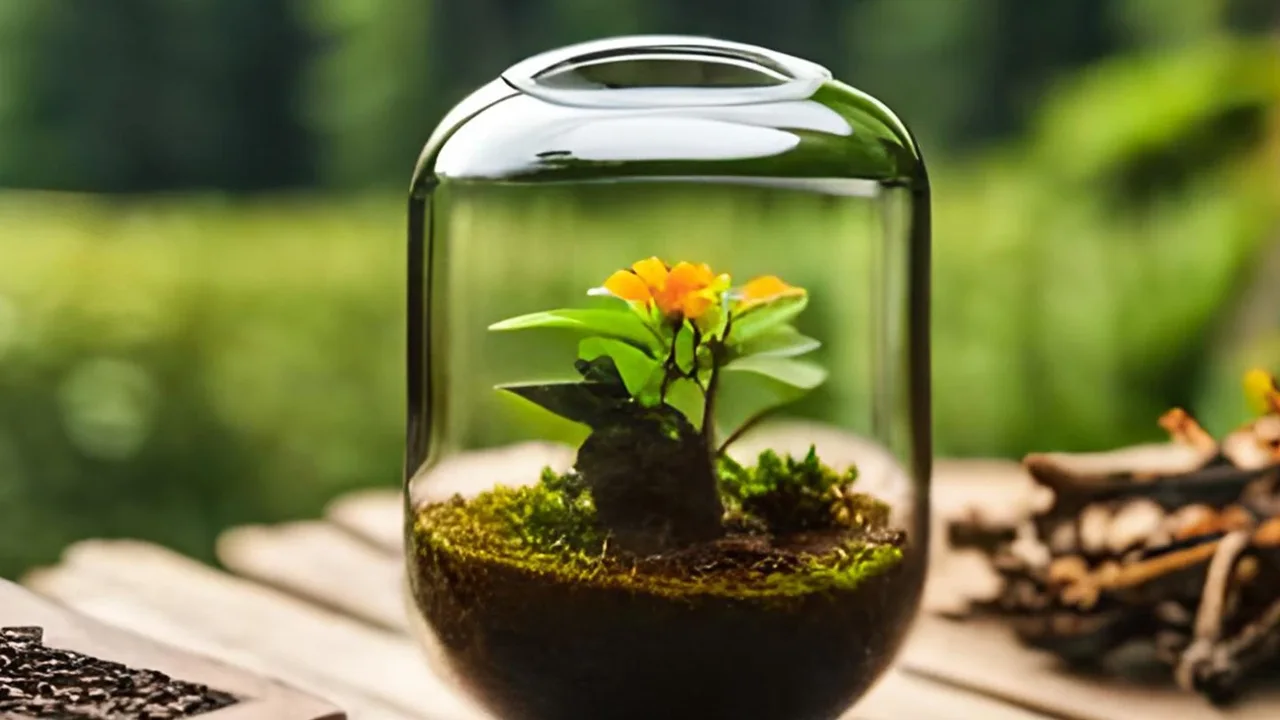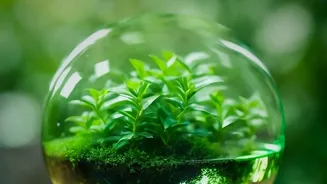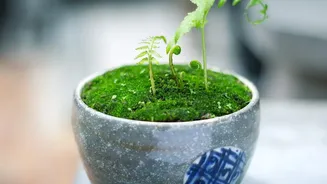

Looking for a touch of serene greenery that thrives without direct sun? A miniature moss garden is a beautiful, low-maintenance solution, perfect for bringing a whisper of the forest floor into your home, even in the smallest of spaces.
The Allure of an Indoor Moss Garden
Unlike many houseplants
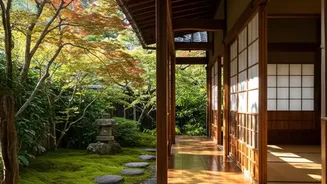
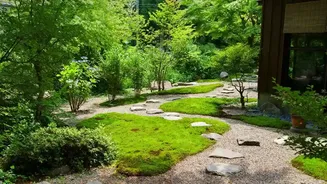
that demand bright sunlight and have complex needs, moss offers a tranquil, green landscape that thrives in the exact conditions many Indian homes provide: indirect light and consistent humidity. Mosses are non-vascular plants, meaning they don't have true roots to absorb water. Instead, they soak up moisture through their leaves, making them uniquely suited for contained environments like terrariums. They are a perfect project for beginners and a beautiful, living piece of art for seasoned gardeners, adding a touch of minimalist, Japanese-inspired calm to a desktop, shelf, or side table.
Choosing the Right Moss
Several types of moss are well-suited for indoor gardens, and many are available from online suppliers in India. Cushion Moss (Leucobryum glaucum) is a popular choice, forming lush, dense mounds that create a rolling-hill effect. Sheet Moss (Hypnum species) grows in flat, spreading carpets, perfect for covering the 'ground' of your miniature garden. For a different texture, Mood Moss offers a more tousled, upright look. While you can collect moss from outdoors, it's often better to purchase it from a specialist supplier to avoid introducing pests into your home.
Selecting Your Container
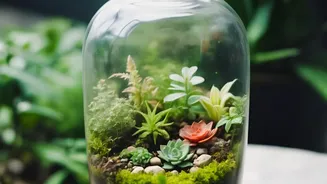
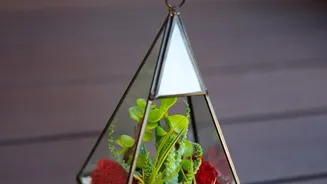
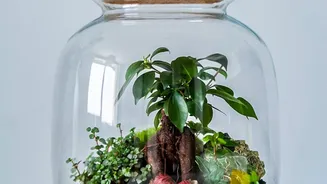
Almost any clear glass container can become a home for your moss garden. A vessel with a lid, often called a closed terrarium, is ideal because it traps humidity, creating a self-sustaining ecosystem that requires very little watering. An old glass jar, a decorative vase, or a purpose-built terrarium container all work wonderfully. An open container can also be used, but it will require more frequent misting to keep the moss from drying out. Before you begin, wash your chosen container thoroughly with warm water and dry it completely to prevent unwanted mould.
Building Your Miniature World, Layer by Layer
Creating the right foundation is key to a healthy moss garden. These layers ensure proper drainage and prevent the environment from becoming waterlogged. Start with a drainage layer of small pebbles, gravel, or LECA clay pebbles, about 2–3 cm deep. Next, add a thin layer of activated charcoal. This is a crucial step as it helps to filter the water and keep the terrarium fresh. On top of the charcoal, add a barrier of sphagnum moss to prevent the soil from falling into the drainage layer. Finally, add your main substrate. A peat–free compost or a special terrarium soil mix works well. You don't need a deep layer, just enough to anchor the moss and any decorative elements.
Designing Your Landscape
Now for the creative part. Before placing your live moss, you can add features like interesting stones or small pieces of driftwood to create a natural–looking scene. Press these elements into the substrate so they look like they are emerging from the ground. Next, take your live moss and press it firmly onto the soil, ensuring there are no air pockets underneath. You can use a single type of moss or combine different varieties for texture and colour variation. Don't feel you need to cover every inch of soil; small clearings can add to the natural feel.
Light and Watering Care
Caring for your moss garden is remarkably simple. Place it in a spot that receives bright, indirect light, like near a window but out of the harsh direct sun, which can scorch the moss. When it comes to watering, less is more. The goal is to keep the moss damp, not soaked. Use a spray bottle to mist the surface lightly. It's best to use rainwater or distilled water if possible, as tap water in some areas contains minerals that can harm the moss over time. In a closed terrarium, you'll notice condensation on the glass; this is a sign that the humidity is just right. If the glass becomes heavily fogged, simply remove the lid for a few hours to allow for some air circulation.
Troubleshooting Common Problems
Even in a low–maintenance setup, you might encounter a few issues. If you see white, fluffy mould, it usually means the terrarium is too wet and has poor airflow. Remove the affected piece of moss and leave the lid off for a day to let it air out. If your moss turns brown or yellow, it could be a sign of too much direct sun or not enough water. Adjust its position and mist it lightly. By paying a little attention than you can easily correct these minor issues and keep your garden thriving.